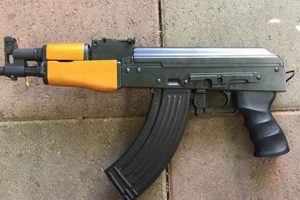
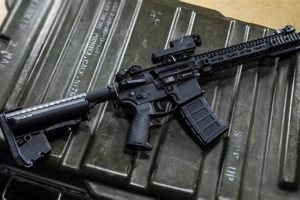
The activity involves younger participants engaging in simulated combat scenarios using low-powered airsoft replicas. These devices typically fire lightweight plastic projectiles at reduced velocities, prioritizing safety. An example would be a supervised outdoor game where participants wear protective gear and follow established rules of engagement.
This form of recreational activity can offer opportunities for developing teamwork, strategic thinking, and physical coordination. Historically, these types of simulated combat games have provided structured environments for controlled risk-taking and social interaction amongst younger individuals. The controlled environment instills safety measures.
Subsequent sections will address crucial safety considerations, appropriate equipment selection, and the establishment of responsible play environments within this recreational pursuit. Considerations will include suitable venues and modifications to game rules to ensure player well-being.
Safety and Responsible Play
The following guidelines aim to promote safe and responsible engagement in youth-oriented airsoft activities. Adherence to these recommendations can minimize risks and maximize the positive benefits of the activity.
Tip 1: Mandatory Protective Gear: Full-face masks or goggles specifically designed for airsoft are non-negotiable. Eye protection must meet established safety standards (e.g., ANSI Z87.1). Mouth and ear protection is strongly advised. Examples include mesh masks and impact-resistant goggles.
Tip 2: Velocity Limits and Chronograph Testing: Airsoft replicas must adhere to predefined velocity limits appropriate for youth participants. Regular chronograph testing with 0.20g BBs is essential to ensure compliance. Typical limits range from 250-300 FPS for indoor fields and may vary for outdoor play.
Tip 3: Designated Safe Zones: Clearly defined safe zones, where eye protection can be removed, must be established. Airsoft replicas are prohibited from being fired within these areas. Examples include staging areas or designatedzones.
Tip 4: Supervised Gameplay: Adult supervision is paramount. Supervisors should possess experience in airsoft safety protocols and be responsible for enforcing rules, mediating disputes, and ensuring adherence to safety guidelines. The adult supervisor’s role is to implement the rules and monitor the safety.
Tip 5: Age-Appropriate Equipment: Select airsoft replicas suitable for the participant’s size and strength. Avoid replicas that are excessively heavy or difficult to handle. Lightweight polymer-bodied replicas are often recommended.
Tip 6: Understanding Rules of Engagement: Participants must receive thorough instruction on the rules of engagement, including prohibited actions (e.g., blind firing, overshooting). Clear communication and unambiguous rules are vital.
Tip 7: Responsible Storage and Transportation: Airsoft replicas must be stored securely when not in use, out of reach of unauthorized individuals. During transport, replicas should be unloaded and placed in cases or bags.
These guidelines emphasize the importance of preparation, supervision, and responsible conduct in youth airsoft activities. Implementing these measures promotes a safer and more enjoyable experience for all participants.
The subsequent section will provide additional insights and suggestions for selecting appropriate venues and customizing gameplay for younger participants.
1. Protective Gear Mandatory

The requirement for protective gear constitutes a foundational element for safe engagement in simulated combat activities involving younger participants. Its strict enforcement is non-negotiable, mitigating potential risks inherent in projectile-based gameplay and establishing a responsible framework for participation.
- Eye Protection Standards
The minimum requirement is the use of full-seal goggles or masks compliant with established safety standards, such as ANSI Z87.1. These standards ensure impact resistance sufficient to withstand the velocity of airsoft projectiles. Failure to adhere to these standards introduces significant risk of eye injury, ranging from corneal abrasions to more severe trauma.
- Full-Face Coverage
While eye protection is paramount, comprehensive facial coverage is strongly recommended. Mesh masks or full-face goggles offer protection against projectiles impacting the nose, mouth, and teeth. These areas are vulnerable to injury, and facial protection minimizes the potential for lasting disfigurement or dental damage.
- Material Durability and Fit
Protective gear must be constructed from durable, impact-resistant materials. Polycarbonate lenses and robust frame construction are essential. Proper fit is equally important; loose or ill-fitting gear compromises protection. Helmets can also be a good idea to offer more complete protection.
- Maintenance and Inspection Protocols
Regular inspection of protective gear is crucial. Cracks, warping, or degradation of materials can compromise its effectiveness. Damaged gear must be replaced immediately. Proper cleaning and storage protocols extend the lifespan and maintain the protective integrity of the equipment. Inspection by a qualified professional is another option to keep the gear in working condition.
These facets of mandatory protective gear directly contribute to the safety and well-being of youth participants in airsoft scenarios. Strict adherence to these guidelines minimizes the risk of injury and fosters a more secure and enjoyable environment. Enforcement of these protocols is integral to responsible oversight of this activity.
2. Velocity Limit Enforcement

Velocity limit enforcement is a critical safety component within youth airsoft activities. Projectile velocity directly correlates with impact force; higher velocities present a greater risk of injury, particularly to sensitive areas such as the eyes, face, and exposed skin. Therefore, establishing and consistently enforcing strict velocity limits is essential to mitigate these risks when involving younger participants. Failure to enforce velocity limits can lead to injuries such as welts, bruises, or, in extreme cases, eye damage. An example of appropriate enforcement involves the mandatory use of a chronograph to measure the muzzle velocity of airsoft replicas before gameplay. Replicas exceeding the predetermined limit are prohibited from use.
The practical application of velocity limit enforcement extends beyond initial measurement. Regular checks should be conducted throughout gameplay to ensure replicas have not been modified or are malfunctioning, leading to increased velocity. Furthermore, the type of projectile (BB weight) must be controlled, as heavier BBs carry more energy and can cause greater harm even at similar velocities. An example can be seen at professionally run kids airsoft fields where staff routinely chronograph replicas throughout the play session. This diligent monitoring system helps maintain safety during gameplay sessions.
Ultimately, velocity limit enforcement is inextricably linked to responsible oversight of youth airsoft. By establishing clear limits, implementing rigorous testing procedures, and maintaining ongoing monitoring, risks can be minimized, fostering a safer environment for younger participants. The challenge lies in ensuring consistent application and promoting a culture of safety awareness among both participants and supervising adults. This focus on velocity is vital for safe gameplay.
3. Supervised Play Essential

Supervised play is a non-negotiable element when integrating youth participants into simulated combat activities. The inherent risks associated with projectile-based gameplay necessitate responsible adult oversight to maintain safety and ensure adherence to established rules. The absence of proper supervision creates a higher probability of accidents, rule infractions, and potentially harmful behaviors. Real-world examples of unsupervised games have demonstrated an increased incidence of eye injuries, intentional overshooting, and disregard for established safe zones. Supervised play offers a necessary safety net, mitigating potential risks and promoting responsible conduct.
The role of the supervisor extends beyond mere observation. Supervisors are responsible for pre-game briefings, emphasizing safety protocols and rules of engagement. During gameplay, they actively monitor participants, intervening to correct unsafe actions and enforce rules. Following gameplay, supervisors facilitate debriefings, addressing any incidents or concerns and reinforcing responsible behavior. Supervisors serve as mediators, resolving disputes and ensuring fair play among participants. The practical application of supervised play involves creating a structured and controlled environment that minimizes risks and maximizes the educational and recreational benefits of the activity.
In summary, supervised play constitutes an indispensable component of safe and responsible participation in recreational activities. The presence of knowledgeable and attentive adults creates a safer environment, promotes adherence to rules, and facilitates positive social interactions. While challenges may arise in securing adequate numbers of qualified supervisors, the benefits of supervised play far outweigh the logistical hurdles. Its implementation directly contributes to safeguarding participants and fostering responsible behavior in the simulated combat environment.
4. Age-Appropriate Replicas

The selection of age-appropriate replicas is a foundational element for responsible involvement in the activity. Inappropriate equipment can create safety hazards, hinder the development of proper handling skills, and detract from the overall experience. The connection between replica size, weight, power, and the physical capabilities of young participants is direct. For instance, using a replica that is too heavy can lead to fatigue, improper handling, and increased risk of accidental discharge. Examples of age-appropriate selections include lightweight, low-powered replicas with adjustable stocks to accommodate varying arm lengths. The practical effect of choosing suitable replicas lies in the promotion of safer and more enjoyable play.
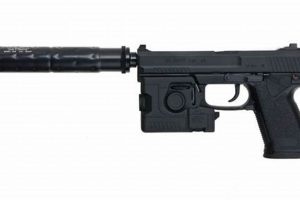
Furthermore, the internal mechanisms of replicas must also be considered. High-powered replicas, even if physically manageable, pose an elevated risk of injury due to increased projectile velocity. Conversely, replicas with overly complex operating systems can frustrate younger participants, hindering their ability to learn proper handling and maintenance. Replicas designed for younger users often feature simplified mechanisms and lower firing rates, prioritizing safety and ease of use. Examples of such designs include spring-powered replicas, which require manual cocking before each shot, limiting the rate of fire and promoting controlled shooting. The practical application of this consideration is a reduced risk of accidental injuries and a more accessible learning curve for new participants.
In summary, the careful selection of age-appropriate replicas is not merely a matter of preference but a critical safety consideration. The size, weight, power, and operational complexity of a replica must be aligned with the physical and cognitive abilities of the young participant. Challenges arise in balancing realistic aesthetics with safety requirements, but prioritizing the latter is paramount. The responsible integration of youth into recreational activities necessitates the implementation of robust safety protocols, including the stringent selection of appropriate equipment. This thoughtful approach will contribute to a more secure and enjoyable experience for all involved.
5. Safe Zone Protocol

Safe zone protocols constitute a critical component of youth airsoft activities. The establishment and strict adherence to these protocols directly mitigate the risk of accidental injuries in designated areas where participants are permitted to remove protective gear. The correlation is causal: the absence of a clearly defined and enforced safe zone directly increases the likelihood of projectiles inadvertently striking unprotected individuals. These zones provide a crucial buffer against unintended discharges and contribute significantly to overall safety. The importance of this protocol cannot be overstated, as it provides a secure environment for rest, communication, and equipment adjustments without the need for constant eye protection.
Practical application of safe zone protocols involves clearly delineating the boundaries of the zone using physical barriers such as netting, tape, or designated structures. Replicas must be rendered inoperable within the safe zone, either through the use of barrel socks, magazines removed, or by implementing mandatory safety checks upon entering the area. Supervisors are responsible for enforcing these rules and monitoring the safe zone to prevent unauthorized replica use. The challenge lies in maintaining vigilance and consistently reinforcing the protocols, especially among younger participants who may be prone to lapses in judgment or excitement. Regular reminders and clear visual cues, such as signage and color-coded areas, can enhance compliance and awareness.
In conclusion, safe zone protocols are indispensable for minimizing risks and fostering responsible conduct. They are a cornerstone of any youth-oriented simulated combat program. By emphasizing clear boundaries, enforcing strict replica control, and promoting consistent supervision, safe zones provide a crucial safety net, allowing participants to enjoy the benefits of airsoft in a secure and controlled environment. This commitment to safety fosters a positive atmosphere and promotes the sustained engagement of younger individuals in this recreational activity.
Frequently Asked Questions
The following questions address common inquiries and concerns regarding youth participation in airsoft, emphasizing safety, responsibility, and appropriate practices.
Question 1: At what age is a child considered suitable to participate?
While there is no universally mandated minimum age, many organized venues recommend 10-12 years as a general guideline. Maturity level, understanding of safety rules, and physical capabilities should be carefully considered by parents or guardians.
Question 2: What is the potential for injury associated with participation?
Injuries are possible, but risks can be significantly minimized through adherence to stringent safety protocols, including mandatory protective gear, velocity limits, and supervised gameplay. Eye injuries are the primary concern, underscoring the importance of ANSI-rated eye protection.
Question 3: What type of protective gear is essential for youth airsoft?
Full-seal goggles or masks meeting ANSI Z87.1 standards are non-negotiable. Additional protective gear, such as full-face masks, mouth guards, and ear protection, is strongly recommended to mitigate potential facial injuries.
Question 4: What measures are in place to control the velocity of airsoft projectiles?
Organized venues typically enforce velocity limits specific to youth participants. Chronograph testing is conducted to ensure replicas adhere to these limits. Replicas exceeding the established velocity limits are prohibited from use.
Question 5: What role do supervisors play in youth airsoft activities?
Supervisors are responsible for pre-game briefings, rule enforcement, monitoring gameplay, resolving disputes, and ensuring adherence to safety protocols. Their presence and active involvement are essential for maintaining a safe and responsible environment.
Question 6: How should airsoft replicas be stored and transported when not in use?
Replicas must be stored securely, out of reach of unauthorized individuals. During transport, replicas should be unloaded, placed in cases or bags, and kept out of plain sight.
These questions and answers provide a foundational understanding of key considerations related to youth engagement in this activity. Parents and guardians are encouraged to thoroughly research venues, equipment, and safety protocols before allowing participation.
The following section will explore different venue options suitable for youth airsoft activities.
Kids Airsoft
This exploration into simulated combat with airsoft replicas for younger participants has underscored several critical factors. Mandatory protective gear, enforced velocity limits, essential supervised play, age-appropriate replicas, and strict safe zone protocols are paramount. Each element contributes to a safer, more controlled, and ultimately, more beneficial experience for participating youth.
Prioritizing responsible practices remains non-negotiable. Continued vigilance in promoting safety, coupled with informed decision-making regarding equipment and venues, will shape the future of kids airsoft. The commitment to these principles is essential for fostering a positive and sustainable environment for this activity.
![Top Picks: Best Spring Airsoft Pistol Guide [Year] | Ultimate Airsoft Guide for Beginners, Tactics & Gear Reviews](https://airsoftica.com/wp-content/uploads/2026/04/th-326-300x200.jpg "Top Picks: Best Spring Airsoft Pistol Guide [Year] Ultimate Airsoft Guide for Beginners, Tactics & Gear Reviews")