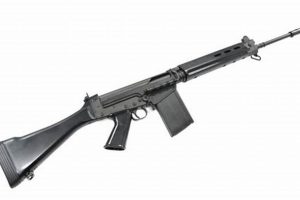
The most suitable and effective airsoft shotgun offers optimal performance and reliability for its user. Such a model typically exhibits superior build quality, consistent firing mechanisms, and an appropriate range and accuracy profile for its intended use on the airsoft field. An example would be a model known for its durable metal construction, consistent triple-shot burst, and effective hop-up system for maximizing projectile distance.
The selection of an appropriate airsoft shotgun is important due to its impact on tactical effectiveness during gameplay. Benefits include the ability to engage multiple targets at close range, providing suppressive fire, and offering a unique role within a team’s overall strategy. Historically, the evolution of airsoft shotguns reflects advancements in airsoft technology, moving from spring-powered models to gas-powered variants offering enhanced realism and performance.
The subsequent sections will explore the defining characteristics of effective airsoft shotguns, compare different power sources and mechanisms, and review specific models that represent the standard for performance and value in this category.
Guidance on Selecting an Optimal Airsoft Shotgun
The following guidelines are presented to assist in the selection of an effective airsoft shotgun, ensuring compatibility with individual playstyles and field environments.
Tip 1: Assess Field Requirements: Determine the typical engagement distances and environment characteristics of the playing field. CQB arenas benefit from high-spread, short-range models, while outdoor fields necessitate greater effective range.
Tip 2: Evaluate Power Source: Consider the advantages and disadvantages of spring, gas (CO2 or Green Gas), and electric (AEG) powered shotguns. Spring models offer simplicity and affordability, gas provides realistic operation, and AEGs offer consistent performance and potentially higher rates of fire.
Tip 3: Examine Build Quality: Prioritize models constructed from durable materials such as metal or reinforced polymer. Examine the robustness of the pump action, trigger mechanism, and external components to withstand rigorous use.
Tip 4: Analyze Firing Mechanism: Determine if a single-shot, multi-shot (typically three- or six-round burst), or automatic firing mode aligns with tactical requirements. Multi-shot configurations offer increased hit probability, while automatic modes provide suppressive capabilities.
Tip 5: Scrutinize Hop-Up System: A properly adjusted hop-up system is critical for achieving optimal range and accuracy. Examine the adjustability and effectiveness of the hop-up unit in elevating projectiles and extending their flight path.
Tip 6: Consider Aftermarket Support: Investigate the availability of spare parts, upgrade components, and accessories for the selected model. Enhanced internals, sights, and tactical attachments can significantly improve performance and customization.
Tip 7: Research User Reviews: Consult independent reviews and user testimonials to gain insights into the reliability, performance, and potential drawbacks of specific models. Feedback from experienced users provides valuable real-world data.
The selection of a appropriate airsoft shotgun is dependent on a comprehensive evaluation of factors, including intended usage, build quality, and functional characteristics. By adhering to these guidelines, players can optimize their in-game performance and enhance their overall airsoft experience.
The subsequent sections will delve into specific airsoft shotgun models that exemplify the qualities outlined above, offering detailed comparisons and performance assessments.
1. Power Source

The power source is a fundamental determinant in the performance and practical application of any airsoft shotgun. The mechanism by which the shotgun propels projectiles directly influences its firing rate, consistency, and operational realism. Spring-powered shotguns, for example, rely on manual compression of a spring to generate the force required for each shot. This simplicity translates to affordability and reliability, but also necessitates a manual action between each shot, limiting the rate of fire. Gas-powered variants, utilizing compressed gas (CO2 or Green Gas), offer a more realistic shooting experience and potentially higher firing rates, but require a supply of gas and may be subject to performance variations depending on ambient temperature. Electrically powered (AEG) shotguns employ a battery-powered motor to cycle the firing mechanism, providing consistent power and potentially automatic firing capabilities; however, they introduce the complexity of electrical systems and battery maintenance.
The selection of an appropriate power source therefore represents a crucial trade-off between cost, realism, and operational requirements. For instance, a player prioritizing affordability and reliability for casual skirmishes might favor a spring-powered shotgun. Conversely, a player seeking a more immersive and tactically advantageous experience might opt for a gas-powered model. Furthermore, the intended field environment and gameplay style influence the suitability of each power source. CQB environments, for example, often favor the rapid firing capabilities of gas or AEG shotguns, while outdoor fields may benefit from the consistent power output of a well-maintained AEG. A player participating in a milsim event might value the realistic operation of a gas shotgun, even if it requires more diligent maintenance.
In summary, the power source is not merely a functional component, but a defining characteristic that shapes the overall performance and applicability of the airsoft shotgun. The choice of spring, gas, or electric power represents a strategic decision that must be aligned with the user’s priorities, budget, and the specific demands of the intended airsoft activities. Understanding these interdependencies is therefore essential for selecting a appropriate airsoft shotgun.
2. Build Material

The selection of build materials directly impacts the durability, performance, and overall quality of an airsoft shotgun. The inherent properties of these materials influence its ability to withstand the stresses of gameplay, its aesthetic qualities, and ultimately, its long-term reliability.
- Metal Construction
Metal components, such as aluminum, steel, or alloys, provide superior strength and resistance to wear and tear. Metal receivers, barrels, and internal parts contribute to a realistic weight and feel, enhancing the user’s experience. An airsoft shotgun constructed with predominantly metal components often demonstrates greater longevity and the ability to withstand more rigorous use. However, metal construction typically increases the overall cost of the replica.
- Polymer Construction
High-impact polymers offer a balance of durability and weight reduction. Polymer receivers, stocks, and forends can withstand considerable abuse while minimizing fatigue during extended gameplay. Advanced polymer materials can mimic the appearance and texture of real firearm components, providing a realistic aesthetic at a lower cost compared to metal. The adoption of reinforced polymers is increasingly common in modern airsoft shotgun designs, providing a cost-effective alternative to full-metal construction.
- Internal Component Materials
The materials used in internal components, such as gears, pistons, and springs, directly affect the shotgun’s performance and reliability. Steel gears offer superior strength and resistance to wear compared to plastic gears, resulting in smoother operation and increased lifespan. High-quality piston heads and springs contribute to consistent air compression and firing performance. The composition of these internal parts often distinguishes high-performing airsoft shotguns from less durable models.
- Finish and Coatings
The application of protective finishes and coatings enhances the resistance of the airsoft shotgun to corrosion, scratches, and other environmental factors. Anodizing aluminum components, applying Cerakote coatings to metal parts, or using specialized paint finishes on polymer surfaces can significantly improve the lifespan and aesthetic appeal. A well-applied finish protects the underlying material and contributes to the overall perceived quality of the replica.
The integration of appropriate build materials is essential for a suitable airsoft shotgun. Balancing the use of metal, polymer, and specialized coatings allows manufacturers to create replicas that are both durable and realistic. The optimal selection depends on intended use, budget, and desired level of realism. Assessing the build material is critical for determining its overall performance and longevity in the field.
3. Firing Mode

The firing mode is a defining characteristic that contributes significantly to the suitability of an airsoft shotgun. This attribute dictates how the projectile is launched, directly impacting the weapon’s effectiveness in various tactical scenarios. Different firing modes offer distinct advantages and disadvantages, making their consideration crucial in determining whether a specific model can be regarded as an effective tool.
Single-shot mechanisms, for instance, require manual cocking before each discharge, emphasizing accuracy and ammunition conservation. Multi-shot configurations, commonly firing three to six projectiles simultaneously, provide a wider spread pattern ideal for close-quarters engagements and suppressive fire. Fully automatic modes, while less common, offer continuous projectile delivery, potentially overwhelming opponents at close range. The selection of a firing mode is, therefore, a deliberate choice that must align with the operator’s intended role and the prevailing field conditions. For example, a sniper utilizing a shotgun as a secondary weapon might prioritize a single-shot model for its accuracy, whereas a breaching specialist would likely favor a multi-shot variant for its immediate impact. Furthermore, the reliability and consistency of the firing mechanism are paramount. Malfunctions or inconsistencies in projectile delivery can negate any potential advantages, diminishing the shotgun’s effectiveness.
In conclusion, the firing mode is an integral component in determining the efficacy of an airsoft shotgun. Its influence on accuracy, rate of fire, and tactical application cannot be overstated. Understanding the nuances of each firing mode and its impact on battlefield performance is essential for selecting a model that offers a distinct competitive advantage. The ideal firing mode is subjective and linked to intended applications and tactical preferences. The integration of a robust and reliable firing mechanism ultimately defines if the shotgun could be categorized as a useful asset on the airsoft field.
4. Range Accuracy

Range accuracy represents a critical performance metric for an airsoft shotgun. It defines the weapon’s ability to consistently deliver projectiles onto a designated target area at varying distances. A shotgun exhibiting superior range accuracy allows the operator to effectively engage opponents beyond the immediate close-quarters environment, extending its tactical utility on the field. A common example is a model with an adjustable hop-up system that allows for fine-tuning of the projectile’s trajectory, maximizing its effective range while maintaining acceptable grouping. Without adequate range accuracy, the airsoft shotgun’s role becomes severely limited, restricting its use to engagements where precision is less crucial, diminishing its potential value to the team.
Several factors influence the range accuracy of an airsoft shotgun, including the quality of the barrel, the effectiveness of the hop-up mechanism, and the consistency of the power source. A precision inner barrel minimizes projectile deviation, while a well-designed hop-up system imparts backspin to counteract gravity, extending the effective range. Variations in gas pressure or spring tension can introduce inconsistencies in projectile velocity, negatively affecting accuracy. For instance, a gas-powered shotgun operating in cold weather may experience a reduction in gas pressure, leading to decreased projectile velocity and reduced range accuracy. This interplay of factors underscores the complexity of achieving optimal performance.
In summary, range accuracy is an indispensable attribute, greatly impacting the overall utility of any airsoft shotgun. A model that effectively balances range and accuracy provides a significant advantage in diverse combat scenarios. The achievement of range accuracy is contingent upon a combination of component quality, design optimization, and environmental considerations, making it a key differentiator in distinguishing effective models from less suitable options.
5. Upgrade options
The availability and variety of upgrade options significantly influence the overall assessment of an airsoft shotgun. Models with extensive upgrade potential allow users to enhance performance characteristics, such as range, accuracy, and reliability, effectively tailoring the weapon to specific operational requirements. For example, a stock airsoft shotgun may exhibit limited range accuracy; however, the installation of a precision inner barrel and enhanced hop-up unit can substantially improve its performance. The presence of compatible upgrade components essentially extends the lifespan and tactical adaptability of the airsoft shotgun, contributing to its overall value proposition. The limited availability of aftermarket parts can negatively impact the longevity and adaptability of a model, even if it demonstrates initially strong performance.
The types of upgrades available for an airsoft shotgun typically include internal components, such as enhanced pistons, springs, and gears, which improve power and durability. External upgrades, such as rails, stocks, and sights, enhance ergonomics and tactical flexibility. The existence of a thriving aftermarket component ecosystem signals manufacturer support and community interest, often indicating a higher-quality base product. A model supported by readily available upgrade parts allows for continuous optimization and personalization. For instance, a player may initially purchase a basic spring-powered shotgun and subsequently upgrade its spring and internal components to achieve higher projectile velocities and increased durability, adapting it for more competitive gameplay.
Ultimately, upgrade options function as a critical factor in determining the long-term suitability of an airsoft shotgun. While baseline performance is an important consideration, the potential for future enhancements significantly impacts its value and adaptability. Models that offer a pathway for continuous improvement and customization are more likely to maintain their relevance and effectiveness over time, demonstrating the practical significance of assessing upgrade options when selecting a suitable airsoft shotgun.
6. User reviews

User reviews provide critical insights into the real-world performance and reliability of airsoft shotguns, acting as a valuable resource when determining suitability. These accounts offer perspectives beyond manufacturer specifications, reflecting the experiences of diverse users under varying conditions.
- Performance Validation
User reviews validate or refute manufacturer claims regarding range, accuracy, and durability. Actual users often report performance discrepancies encountered during gameplay, providing a more realistic assessment. For example, multiple reviews citing consistent jamming issues with a specific model could indicate a design flaw not evident in initial product testing.
- Durability Assessment
User reviews offer longitudinal assessments of build quality and durability, detailing how airsoft shotguns withstand repeated use and environmental factors. Reviews may describe experiences with component failures, material degradation, or susceptibility to damage. A trend of positive durability reviews suggests robust construction and reliability.
- Modification and Upgrade Compatibility
Users frequently document their experiences with aftermarket modifications and upgrades, providing valuable information on compatibility and performance enhancements. Reviews often detail specific components that improve range, accuracy, or trigger response. This information can be crucial for users seeking to optimize their airsoft shotguns beyond factory specifications.
- Ergonomics and Handling
User reviews frequently address ergonomics and handling characteristics, factors often overlooked in manufacturer descriptions. Users comment on weight distribution, grip comfort, ease of use, and overall handling during simulated combat scenarios. These subjective assessments can aid potential buyers in selecting a model that fits their individual preferences and physical attributes.
These facets collectively underscore the importance of user reviews in assessing the suitability of an airsoft shotgun. While manufacturer specifications offer a baseline understanding, user reviews provide essential context, revealing performance nuances and long-term reliability. Consulting a diverse range of user reviews allows potential buyers to make more informed decisions, ultimately increasing the likelihood of selecting a appropriate airsoft shotgun.
Frequently Asked Questions
The following section addresses common inquiries regarding airsoft shotguns, aiming to provide concise and informative answers to facilitate informed decision-making.
Question 1: What differentiates spring-powered, gas-powered, and electric airsoft shotguns?
Spring-powered shotguns require manual cocking before each shot, offering affordability and reliability. Gas-powered models utilize compressed gas for propulsion, providing enhanced realism and potentially higher firing rates. Electric shotguns employ a battery-powered motor, delivering consistent power and the possibility of automatic firing.
Question 2: Which material provides optimal durability for an airsoft shotgun?
Metal construction, employing materials like aluminum or steel, offers superior strength and resistance to wear. High-impact polymers provide a balance of durability and weight reduction, often serving as a cost-effective alternative.
Question 3: How does the firing mode impact tactical effectiveness?
Single-shot mechanisms emphasize accuracy, while multi-shot configurations offer a wider spread pattern, ideal for close-quarters engagements. Automatic modes deliver continuous projectile delivery, potentially overwhelming opponents at close range.
Question 4: What role does the hop-up system play in range accuracy?
The hop-up system imparts backspin to the projectile, counteracting gravity and extending its effective range. An adjustable hop-up allows for fine-tuning of the projectile’s trajectory, maximizing range and accuracy.
Question 5: Why are upgrade options important for airsoft shotguns?
Models with extensive upgrade potential permit users to enhance performance characteristics, such as range, accuracy, and reliability, effectively tailoring the weapon to specific needs and preferences. Readily available aftermarket parts extend the lifespan and tactical adaptability of the airsoft shotgun.
Question 6: How should user reviews be utilized in the selection process?
User reviews offer real-world perspectives on performance, durability, and reliability, validating or refuting manufacturer claims. Reviews provide insights into component failures, material degradation, and upgrade compatibility, aiding in informed decision-making.
In summation, informed selection of an airsoft shotgun necessitates careful evaluation of power source, build material, firing mode, range accuracy, upgrade options, and user reviews.
The subsequent section will delve into specific models, offering detailed comparisons and performance assessments.
Determining the Optimal Airsoft Shotgun
This exploration has emphasized the multifaceted nature of identifying the most suitable airsoft shotgun. The assessment encompasses power source, build material, firing mode, range accuracy, available upgrade options, and user reviews. These elements collectively determine the weapon’s performance, reliability, and adaptability, impacting its utility within diverse tactical scenarios.
The selection of an airsoft shotgun requires careful consideration of individual needs and operational environments. Future developments in airsoft technology may introduce new materials, mechanisms, and functionalities, further refining the performance characteristics of these weapons. Continued research and analysis are essential for discerning truly optimal models and maximizing their potential on the airsoft field.
![Budget Airsoft: Best Pistol Under $100 in [Year] - Reviews! | Ultimate Airsoft Guide for Beginners, Tactics & Gear Reviews](https://airsoftica.com/wp-content/uploads/2026/04/th-301-300x200.jpg "Budget Airsoft: Best Pistol Under $100 in [Year] - Reviews! Ultimate Airsoft Guide for Beginners, Tactics & Gear Reviews")
![Deals on Black Friday Airsoft Gear | [YEAR] Sales! | Ultimate Airsoft Guide for Beginners, Tactics & Gear Reviews](https://airsoftica.com/wp-content/uploads/2026/04/th-299-300x200.jpg "Deals on Black Friday Airsoft Gear | [YEAR] Sales! Ultimate Airsoft Guide for Beginners, Tactics & Gear Reviews")