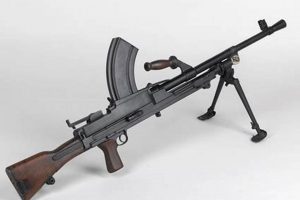
Engaging in precision-based recreational marksmanship with specialized replica firearms and designated impact zones is a pursuit gaining traction globally. This activity typically involves utilizing compressed gas or spring-powered devices to propel non-lethal projectiles towards stationary or reactive objects. An example of this would be setting up a series of paper bullseyes at varying distances in a controlled environment and scoring participants based on accuracy and consistency.
The significance of this practice extends beyond mere entertainment. It fosters concentration, discipline, and hand-eye coordination. Historically, such activities have served as a safe and accessible introduction to firearms handling and safety principles for individuals of all ages. Furthermore, the competitive aspect promotes sportsmanship and a sense of community among participants. The controlled and regulated nature of the sport emphasizes responsible gun ownership and mitigates potential risks associated with live firearms.
The following discussion will delve into various facets of this popular recreational activity, including equipment considerations, safety protocols, target types, and common competitive formats. Furthermore, an examination of the legal and ethical responsibilities associated with this activity will be addressed.
Enhancing Precision
The following guidelines aim to improve accuracy and consistency in precision-based recreational marksmanship. Adherence to these principles can lead to significant improvements in scoring and overall proficiency.
Tip 1: Mastering Stance and Grip: A stable shooting platform is paramount. Adopt a balanced stance with feet shoulder-width apart and a slight bend in the knees. A firm, consistent grip is crucial; avoid “over-gripping,” which can induce tremors. A high grip on the pistol, if applicable, can also improve stability.
Tip 2: Sight Alignment and Focus: Achieve proper sight alignment by ensuring the front sight is centered within the rear sight aperture, with equal amounts of light visible on either side. Maintain sharp focus on the front sight; the target will appear slightly blurred. This ensures consistent sight picture and maximizes accuracy.
Tip 3: Trigger Control: Trigger manipulation should be smooth and deliberate. Avoid “jerking” the trigger, as this disrupts the firearm’s stability. Apply gradual, even pressure until the shot breaks cleanly. Consistent trigger pull is essential for consistent shot placement.
Tip 4: Breathing Technique: Controlled breathing minimizes movement during the shot. Inhale deeply, exhale approximately half the breath, and hold. This pause allows for a stable shooting platform and reduces involuntary muscle movements. Coordinate trigger pull with the natural respiratory pause.
Tip 5: Follow-Through: Maintain focus and sight alignment even after the shot has been fired. This reinforces muscle memory and promotes consistency. Avoid immediately lowering the firearm or relaxing the grip; maintain the shooting position briefly after each shot.
Tip 6: Equipment Maintenance: Regular maintenance of the replica firearm is essential for optimal performance. Clean the barrel and internal mechanisms to remove debris and ensure consistent projectile velocity. Lubricate moving parts as recommended by the manufacturer to prevent friction and wear.
These techniques, when diligently practiced, contribute to enhanced proficiency and accuracy. The consistent application of these principles will yield measurable improvements in recreational marksmanship activities.
The subsequent section will address advanced techniques and competitive strategies for further refinement of marksmanship skills.
1. Accuracy

Within the context of precision-based marksmanship with specialized replica firearms, accuracy represents the degree to which projectiles strike the intended target area. Ineffective precision translates to missed shots, reduced scores, and a diminished ability to achieve desired outcomes. Causally, factors like improper stance, inconsistent trigger pull, and inadequate sight alignment directly impact the placement of projectiles. The attainment of accuracy is paramount; it forms the cornerstone of successful engagement, transforming the endeavor from a random exercise into a demonstration of skill and control. A practical example is demonstrated by comparing two participants: one exhibiting poor grouping outside the bullseye due to inconsistent technique versus another consistently hitting the center ring through rigorous application of fundamental principles. The distinction highlights the tangible advantage of accurate shooting.
Further investigation reveals the multi-faceted nature of this core concept. The type of replica firearm, projectile weight, and environmental conditions contribute to the overall precision of each shot. Equipment calibration is essential for maintaining accuracy in the long run, considering factors such as wind and distance will provide adjustments. Competitions in this activity often use scoring methods that highly value accuracy, such as awarding bonus points for shots closer to the center. Practical application extends into training regimes, where participants analyze shot patterns, diagnose inconsistencies, and adjust their tactics to consistently improve outcomes. The study of ballistics and firearm mechanics can provide further insight into the connection between theory and practice.
In summary, accuracy constitutes a pivotal element of precision-based marksmanship, directly influencing performance and outcomes. Challenges in achieving it stem from numerous interconnected factors requiring a systematic approach to address. A dedication to mastering fundamentals, analyzing results, and adapting techniques forms the basis for sustained improvement. The principle of precision is not just about hitting the target; it involves understanding the interplay of elements that influence the point of impact.
2. Consistency

In precision-based recreational marksmanship, consistency represents the repeatability of actions and the minimization of variation in performance. Its importance as a component of successfully hitting targets cannot be overstated. Erratic results, characterized by unpredictable shot placement, invariably stem from inconsistent execution of fundamental techniques. This directly correlates to lowered scores, reduced enjoyment, and hindered skill development. For example, a shooter who sometimes uses a proper grip and sometimes does not will experience unpredictable shot dispersion compared to one with consistent grip application, where even small variations accumulate to produce significant deviations from intended points of impact. This highlights consistency’s central role in predictable outcomes within the activity.
The pursuit of consistency necessitates diligent practice and meticulous attention to detail. It involves the consistent application of correct stance, grip, sight alignment, and trigger control techniques. Further, it demands that equipment is carefully maintained to guarantee performance does not fluctuate between sessions. A practical demonstration can be observed through a controlled experiment: a shooter records shot groupings using varying triggers, and contrasts the results with a high-precision component. The degree of performance variation directly reflects the extent of improved consistency. Similarly, consistent environmental conditions and projectile quality become crucial components in obtaining reliable results and thus aid in the skill’s progressive enhancement.
In summary, consistency is paramount to proficient recreational marksmanship with airsoft devices. Its attainment necessitates rigorous adherence to foundational principles, equipment maintenance, and environmental awareness. The challenge lies in identifying and correcting sources of variability, which often require focused attention and disciplined practice. Proficiency is not simply about executing a technique correctly once; it is about performing it correctly, predictably, and repeatedly. This reliability translates to improved scores, enhanced skill development, and ultimately, a more rewarding experience in the pursuit of recreational marksmanship.
3. Equipment

The selection and maintenance of equipment constitute a critical aspect of recreational marksmanship with airsoft devices. Proper equipment directly influences accuracy, consistency, and overall safety. The following outlines key considerations related to equipment in this context.
- Airsoft Gun Type and Quality
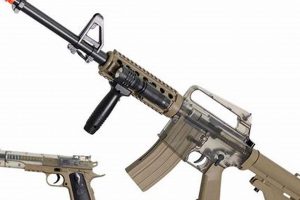
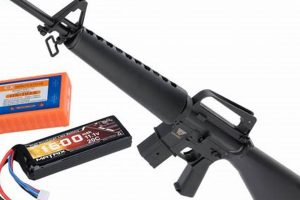
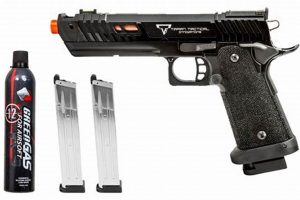
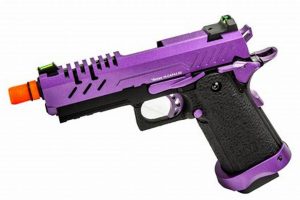
The type and quality of the airsoft gun employed significantly impact performance. Variations in power source (spring, gas, electric), internal components, and build quality influence projectile velocity, range, and accuracy. Higher-quality airsoft guns often feature more consistent internal mechanisms and tighter tolerances, resulting in improved shot consistency. For example, a well-maintained gas blowback pistol will typically provide a more realistic shooting experience, while an electric airsoft rifle (AEG) may offer a higher rate of fire for target practice. The choice should align with desired performance characteristics and budget constraints.
- Projectiles (BBs)
The type and quality of projectiles, commonly referred to as BBs, are crucial for both accuracy and the longevity of the airsoft gun. High-quality BBs are typically made of precision-molded plastic and are uniform in size and weight. Lower-quality BBs can be inconsistent in size, leading to accuracy issues and potential damage to the airsoft gun’s internal components. The weight of the BB can also affect range and accuracy, with heavier BBs generally providing better stability in outdoor conditions. The use of biodegradable BBs is increasingly common for environmental responsibility, particularly in outdoor shooting scenarios.
- Protective Gear
Protective gear is indispensable for recreational marksmanship. Eye protection, in the form of full-seal goggles or masks rated to withstand the impact of airsoft BBs, is absolutely mandatory. The potential for serious eye injury necessitates the consistent and uncompromising use of appropriate eye protection. Additional protective gear, such as face masks, gloves, and body armor, can provide further protection against impacts, particularly in close-range shooting activities.
- Targets and Accessories
The type of target employed can significantly impact the training experience. Paper targets, metal targets, and reactive targets (e.g., those that fall or make noise upon impact) each offer unique feedback and can be selected to suit specific training goals. Accessories such as scopes, red dot sights, and lasers can enhance aiming precision, particularly at longer ranges. However, the use of these accessories should not replace the development of fundamental marksmanship skills.
In conclusion, the careful selection, maintenance, and responsible use of appropriate equipment are essential for safe and effective recreational marksmanship with airsoft devices. Investment in quality equipment, coupled with consistent maintenance, contributes to improved accuracy, consistency, and a more enjoyable experience. The responsible and ethical use of equipment further underscores the importance of adhering to safety protocols and respecting the activity’s potential risks.
4. Technique

The execution of proper technique is paramount in precision-based recreational marksmanship using airsoft devices. Incorrect or inconsistent technique directly leads to reduced accuracy, diminished consistency, and a hampered ability to achieve desired target outcomes. For example, a shooter who consistently flinches anticipates the discharge of the airsoft gun will inevitably experience a decline in accuracy. This detrimental effect stems from unconscious muscle contractions disrupting the stability of the firearm during the critical moment of projectile release. Proper instruction emphasizes deliberate trigger control, coupled with focused breath management, thereby promoting a stable shooting platform and enabling precise projectile placement.
Moreover, the specific techniques employed should be adapted to the type of airsoft device being used and the engagement scenario. A long-range shot using an airsoft rifle demands a different approach compared to close-quarters engagement with an airsoft pistol. The principles of stance, grip, sight alignment, and trigger control remain fundamental, yet their application must be tailored to the unique characteristics of each weapon. For instance, a two-handed grip is generally preferred for airsoft rifles to enhance stability, whereas a one-handed grip may be more appropriate for maneuverability with airsoft pistols in close quarters. Furthermore, environmental considerations such as wind speed and direction necessitate adjustments to aiming points, requiring an understanding of ballistics and trajectory.
In conclusion, technique forms the bedrock of proficiency in precision-based recreational marksmanship with airsoft devices. The acquisition of proper technique requires dedicated practice and a thorough understanding of the underlying principles. Continuous refinement through self-assessment and expert guidance contributes to sustained improvement and maximized target engagement effectiveness. The challenges encountered in mastering technique are often surmountable through disciplined application and focused attention to detail, ultimately translating to enhanced accuracy, consistency, and a more rewarding shooting experience.
5. Safety
The responsible practice of precision-based recreational marksmanship using specialized replica firearms necessitates a comprehensive understanding and unwavering adherence to established safety protocols. Neglecting safety measures can result in serious injury, property damage, and legal repercussions, thereby undermining the recreational nature of the activity.
- Mandatory Eye Protection
Eye protection, in the form of full-seal goggles or masks specifically rated to withstand the impact of airsoft projectiles, is non-negotiable. The velocity and potential for fragmentation of these projectiles pose a significant risk of permanent eye damage. Consistent use of appropriate eye protection mitigates this risk, irrespective of the perceived level of experience or control. Examples of real-world incidents underscore the importance of this measure, including cases of corneal abrasions and retinal damage resulting from projectile impact. The absence of proper eye protection constitutes a negligent disregard for personal safety.
- Safe Handling Practices
Airsoft devices must be treated with the same respect and caution as live firearms. This includes maintaining muzzle awareness at all times, storing devices unloaded and secured when not in use, and verifying the absence of obstructions in the barrel prior to firing. Accidental discharges can occur due to mishandling, leading to unintended injuries or property damage. Proper training and consistent enforcement of safe handling practices are essential to prevent such incidents. Real-world examples include accidental shootings resulting from negligent handling and improper storage.
- Designated Shooting Areas
Engaging in precision-based marksmanship should only occur within designated areas specifically designed for this purpose. These areas should be clearly marked, free from obstructions, and constructed to contain projectiles within a defined boundary. Shooting in non-designated areas, such as public parks or residential neighborhoods, poses a risk to bystanders and can result in legal consequences. Established shooting ranges and organized events provide a controlled environment where safety protocols are rigorously enforced. Examples of incidents involving stray projectiles causing injury or property damage highlight the need for responsible site selection.
- Projectile Velocity Limits
Airsoft devices should adhere to established projectile velocity limits, typically measured in feet per second (FPS). Exceeding these limits can increase the risk of injury upon impact. Chronographs, devices used to measure projectile velocity, should be employed to verify compliance with regulatory standards. Modifications to airsoft devices that increase projectile velocity beyond legal limits are irresponsible and potentially dangerous. Organized events and competitions often enforce strict velocity limits to ensure participant safety. Examples of injuries sustained from high-velocity projectiles underscore the importance of adhering to established limits.
These facets collectively emphasize the critical importance of safety in all aspects of recreational marksmanship. A commitment to responsible behavior, combined with adherence to established protocols, is essential for mitigating risks and ensuring the continued safe enjoyment of this activity. Lack of safety awareness can lead to accidents and therefore should be treated with respect.
Frequently Asked Questions
The following questions address common inquiries regarding precision-based marksmanship utilizing specialized replica firearms. The information provided aims to clarify misconceptions and promote responsible engagement with the activity.
Question 1: What is the minimum age requirement for participating in airsoft gun target shooting?
Age restrictions vary depending on local laws and regulations. Generally, supervised participation is permitted for individuals under the age of 18, while unsupervised activity typically requires adulthood. Verification of age may be required at organized events or commercial shooting ranges.
Question 2: Are specialized safety glasses mandatory for airsoft gun target shooting?
Yes, the consistent use of full-seal goggles or masks rated to withstand the impact of airsoft projectiles is absolutely mandatory. This protective equipment is essential to prevent serious eye injuries and should be worn at all times during shooting activities.
Question 3: What is the standard velocity limit for airsoft projectiles in recreational target shooting?
Velocity limits vary by location and event, but a common standard is 400 feet per second (FPS) with a 0.20 gram BB. Adherence to established velocity limits is crucial for safety and is typically enforced through chronograph testing.
Question 4: Can airsoft guns be legally discharged in residential areas?
Discharging airsoft guns in residential areas may be illegal or subject to local ordinances. It is imperative to consult local laws and regulations to determine the legality of such activity. Safe and responsible shooting should only occur in designated areas.
Question 5: What type of maintenance is required for airsoft guns used in target shooting?
Regular maintenance includes cleaning the barrel, lubricating internal components, and inspecting for any signs of wear or damage. Proper maintenance ensures optimal performance and prolongs the lifespan of the airsoft gun.
Question 6: Is it permissible to modify an airsoft gun to increase its projectile velocity?
Modifying an airsoft gun to exceed legal velocity limits is irresponsible and potentially dangerous. Such modifications can increase the risk of injury and may violate local laws or regulations.
These answers provide a foundational understanding of key considerations related to precision-based recreational marksmanship. Continued education and adherence to safety protocols are essential for responsible participation.
The subsequent section will address advanced training techniques for further skill development.
Concluding Remarks on Airsoft Gun Target Shooting
The preceding exploration has elucidated the multifaceted nature of airsoft gun target shooting. From fundamental techniques and essential equipment to stringent safety protocols, the activity demands a responsible and informed approach. Mastery of stance, grip, sight alignment, and trigger control forms the cornerstone of accuracy and consistency. The responsible selection and meticulous maintenance of equipment contribute directly to enhanced performance and prolonged device lifespan. Above all, unwavering adherence to safety guidelines, including mandatory eye protection and the use of designated shooting areas, remains paramount for preventing injury and upholding ethical standards.
The information presented serves as a foundation for those engaging in airsoft gun target shooting. Continued education, diligent practice, and a commitment to responsible conduct are essential for maximizing both enjoyment and safety. The future of the activity hinges upon the collective responsibility of participants to promote ethical practices and maintain a culture of respect for both the equipment and the potential risks involved. Embracing these principles will ensure the continued viability and positive perception of airsoft gun target shooting as a recreational pursuit.