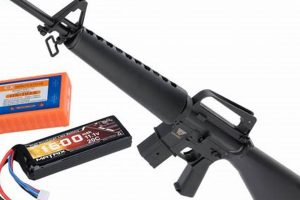
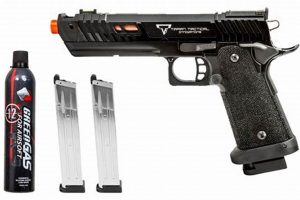
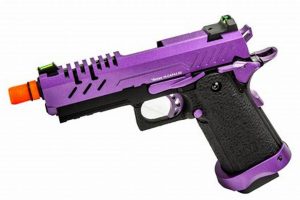
The central question concerns the legality and safety of discharging airsoft guns on private residential property. The practice involves using replica firearms that propel small plastic projectiles, typically 6mm in diameter, utilizing compressed gas or spring mechanisms. The permissibility of engaging in this activity depends heavily on local ordinances, state laws, and homeowner association (HOA) regulations. For instance, some municipalities classify airsoft guns as firearms, subjecting them to similar restrictions regarding discharge within city limits, while others may consider them toys, resulting in less stringent regulations.
Understanding the nuances of this issue is crucial for several reasons. Firstly, responsible airsoft gun ownership necessitates adherence to applicable laws, preventing potential legal repercussions such as fines, confiscation of equipment, or even criminal charges in certain jurisdictions. Secondly, prioritizing safety is paramount, as airsoft projectiles can cause injury, particularly to the eyes, face, and exposed skin. Thirdly, considering community impact fosters positive relationships with neighbors and avoids complaints regarding noise or perceived safety hazards. Respecting property lines and employing appropriate safety measures contributes to a harmonious coexistence within residential areas.
Therefore, a comprehensive examination of relevant legal frameworks, safety precautions, community considerations, and alternative solutions provides a well-rounded perspective on navigating the complexities of this practice. This exploration will delve into specific regulations, recommended safety gear and procedures, strategies for responsible usage, and alternative locations better suited for airsoft activities.
Considerations for Airsoft Gun Use on Private Property
Exercising caution and adhering to regulations are paramount when contemplating the discharge of airsoft guns on residential land. Prudence ensures safety and legal compliance.
Tip 1: Research Local Ordinances: Before any activity commences, a thorough investigation into municipal codes and county regulations pertaining to airsoft guns is essential. Verify whether the jurisdiction classifies these devices as firearms, toys, or something else, and understand the specific discharge restrictions that apply.
Tip 2: Consult Homeowner Association Rules: If the property is governed by a homeowner association, review the HOA’s covenants, conditions, and restrictions (CC&Rs) for any explicit prohibitions or limitations regarding airsoft gun use. Adherence to HOA rules prevents potential fines or legal action.
Tip 3: Establish a Safe Shooting Range: Designate a specific area within the backyard as a shooting range, employing backstops to contain projectiles and prevent them from leaving the property. Ensure the area is clear of obstructions and that bystanders, including pets, are excluded.
Tip 4: Mandate Safety Gear: Require all participants to wear appropriate protective gear, including full-seal goggles or a face mask, to prevent eye injuries. Consider additional protective clothing, such as gloves and long sleeves, to minimize the risk of skin abrasions.
Tip 5: Notify Neighbors: Prior to engaging in airsoft activities, inform neighboring property owners of the intended use. Open communication can mitigate concerns about noise or perceived safety risks, fostering positive community relations.
Tip 6: Supervise Minors: If minors are participating, provide constant adult supervision. Ensure they understand and adhere to safety rules and regulations. Store airsoft guns and ammunition securely, out of the reach of children, when not in use.
Tip 7: Limit Projectile Velocity: Ensure the airsoft guns used adhere to safe velocity limits, typically measured in feet per second (FPS). Lower velocities reduce the potential for injury upon impact. Utilize a chronograph to verify projectile velocity regularly.
Prioritizing safety measures, legal compliance, and community consideration enables responsible and potentially enjoyable airsoft activities within the boundaries of one’s property.
The next step involves addressing potential alternatives for those unable to discharge airsoft guns on their property.
1. Legality

The legal framework surrounding airsoft guns directly dictates whether discharge on private residential property is permissible. Regulations vary significantly by jurisdiction, necessitating careful consideration of local laws and ordinances before engaging in such activities.
- Classification of Airsoft Guns
Many jurisdictions classify airsoft guns differently than traditional firearms. Some consider them toys, subject to less stringent regulations, while others treat them as firearms or dangerous weapons, imposing stricter controls. This classification significantly impacts the legality of discharging them in a residential backyard. For example, if classified as a firearm, standard firearm discharge laws apply, often prohibiting discharge within city limits.
- Local Ordinances and Zoning Laws
Municipalities often have specific ordinances addressing the discharge of projectiles, regardless of the device propelling them. These laws can pertain to noise levels, proximity to dwellings, and potential safety hazards. Zoning laws may further restrict such activities based on the residential area’s designation. A violation of these ordinances can result in fines, legal action, or confiscation of the airsoft gun.
- State Laws and Preemption
State laws can preempt local ordinances, establishing a uniform standard across the state. Certain states might have laws specifically addressing airsoft guns, clarifying their legal status and permissible uses. Understanding the interplay between state and local laws is critical to ensuring compliance. For instance, a state law permitting airsoft gun ownership might not override a local ordinance prohibiting their discharge within city boundaries.
- Homeowner Association (HOA) Regulations
Even in jurisdictions where state and local laws are permissive, Homeowner Associations can impose stricter rules within their communities. HOA regulations can outright prohibit the discharge of airsoft guns or impose limitations on their use, such as requiring specific safety measures or restricting hours of operation. These regulations are legally binding and must be adhered to by residents within the HOA.
The legality of discharging an airsoft gun in a backyard is not a simple yes or no question. It demands a thorough understanding of applicable local, state, and HOA regulations. Failure to comply can lead to legal repercussions, emphasizing the importance of conducting due diligence before engaging in such activities. Comparing two different scenarios one in a rural area with minimal restrictions and another in a densely populated city with strict ordinances highlights the dramatic variability in legality.
2. Safety

The paramount consideration regarding the discharge of airsoft guns on private residential property centers on safety. Irrespective of legality, the potential for injury necessitates a rigorous approach to safety protocols to minimize risk.
- Eye Protection
Eye injuries represent the most significant risk associated with airsoft activities. Projectiles, even at relatively low velocities, can cause severe damage to the cornea, lens, or retina. Full-seal goggles or a face mask providing complete eye coverage is mandatory for all participants. The chosen eyewear must meet or exceed ANSI Z87.1 standards for impact resistance to ensure adequate protection. Everyday glasses or sunglasses do not provide sufficient protection and are unacceptable substitutes.
- Protective Clothing
While eye protection is crucial, additional protective clothing reduces the risk of skin abrasions and welts from projectile impacts. Long sleeves, pants, gloves, and even padded vests provide a barrier against direct contact. The thickness and material of the clothing influence its protective capacity. Consider using purpose-designed airsoft clothing for enhanced protection and comfort.
- Designated Safe Zones
Establishing clear boundaries for the playing area is essential to prevent accidental injuries to non-participants and property damage. The designated area should be free of hazards, such as sharp objects, slippery surfaces, and unprotected windows. Using barriers, such as netting or plywood, helps contain projectiles within the intended area. Clearly marked safe zones where protective gear can be removed safely should be established.
- Responsible Gun Handling
Safe gun handling practices are paramount to preventing accidental discharge and injuries. Airsoft guns should be treated with the same respect as real firearms. Always keep the muzzle pointed in a safe direction, keep the finger off the trigger until ready to fire, and never point the gun at anything not intended to be shot. When not in use, airsoft guns should be stored unloaded in a secure location, inaccessible to unauthorized individuals, especially children.
These safety considerations are inextricably linked to the question of discharging airsoft guns on residential property. Prioritizing these measures mitigates the inherent risks involved and fosters a responsible approach to airsoft activities. Neglecting these safety protocols significantly increases the potential for serious injury and legal liability, regardless of the activity’s legality. Ultimately, ensuring safety requires a proactive and comprehensive approach, encompassing proper equipment, designated areas, and responsible handling practices.
3. Local Ordinances
Local ordinances serve as the primary legal framework governing the permissibility of discharging airsoft guns on private residential property. These regulations, enacted by municipal or county governments, define the specific rules and restrictions applicable within their jurisdiction. Understanding these ordinances is crucial in determining whether this activity is lawful.
- Classification of Airsoft Guns
Local ordinances often begin by classifying airsoft guns, differentiating them from conventional firearms or toys. This classification dictates the level of regulation applied. If classified as firearms, airsoft guns may be subject to the same restrictions regarding discharge within city limits. Alternatively, classification as toys may result in fewer restrictions, though safety regulations may still apply. For example, some cities classify airsoft guns as “nuisance devices” and prohibit their discharge in residential areas.
- Discharge Restrictions
Many local ordinances directly address the discharge of projectiles, including those from airsoft guns. These restrictions can include limitations on the time of day, proximity to dwellings, or the requirement of a specific backdrop to contain projectiles. Some ordinances may completely prohibit the discharge of any projectile within city limits, regardless of the device used. The presence and stringency of these restrictions directly impact the feasibility of backyard airsoft activities.
- Noise Regulations
Noise ordinances often play a role in regulating airsoft gun usage. The repetitive sound of airsoft guns being discharged can violate noise ordinances, especially in densely populated residential areas. These ordinances typically set decibel limits and restrict noise-generating activities during certain hours. Even if projectile discharge is permitted, violating noise regulations can result in fines or other legal consequences. An example includes a prohibition on discharging any device creating noise exceeding a certain decibel level after 10 PM.
- Enforcement and Penalties
Local ordinances are enforced by local law enforcement agencies. Violations can result in warnings, fines, confiscation of equipment, or even misdemeanor charges in some cases. The specific penalties vary depending on the severity of the violation and the jurisdiction. Consistent or egregious violations may result in more severe penalties. For instance, repeated violations of a discharge ordinance might escalate from a warning to a monetary fine and potential confiscation of the airsoft gun.
In conclusion, local ordinances represent the most immediate and relevant legal constraint on discharging airsoft guns in residential backyards. These regulations encompass the classification of the devices, restrictions on projectile discharge, noise regulations, and enforcement mechanisms. Consulting local municipal codes is essential to ensure compliance and avoid potential legal repercussions when considering this activity.
4. Property Size

Property size is a critical determinant in evaluating the feasibility and safety of discharging airsoft guns in a residential backyard. The available space directly impacts the ability to establish a safe shooting range and minimize the risk of projectiles leaving the property. Insufficient property size inherently increases the likelihood of projectiles crossing property lines, potentially causing damage or injury to neighbors and their property. Consequently, a larger property affords greater opportunities for establishing a secure perimeter and reducing the risk of unintended consequences. For example, a small urban lot may lack the necessary buffer zones to prevent projectiles from reaching adjacent properties, rendering airsoft activities unsafe and potentially illegal, while a larger, more secluded property could accommodate a safe shooting range.
Beyond the immediate concern of projectile containment, property size also influences the complexity of creating a designated safe zone. A larger property allows for the construction of more elaborate backstops, such as netting or wooden barriers, further minimizing the risk of stray projectiles. It also provides greater flexibility in orienting the shooting range away from neighboring properties and public areas. Conversely, a smaller property necessitates more stringent safety measures and limitations on the power and range of the airsoft guns used. Practical application of this principle involves carefully measuring the available space, calculating the maximum range of the airsoft guns, and constructing a backstop that effectively contains projectiles within the designated area. Failing to adequately assess and account for property size can lead to negligence and potential liability in the event of an accident.
Ultimately, property size represents a fundamental constraint on the permissibility and responsible execution of airsoft activities in a residential backyard. While local ordinances and safety protocols are essential, the physical dimensions of the property dictate the extent to which these measures can be effectively implemented. Therefore, accurately assessing property size, understanding its limitations, and adapting airsoft activities accordingly are crucial for ensuring safety and compliance. Overlooking this fundamental consideration can result in unintended consequences, ranging from property damage to personal injury and legal repercussions, thereby underscoring the interconnectedness of property size and responsible airsoft gun usage.
5. Neighbor Notification

Neighbor notification constitutes a pivotal aspect of responsible airsoft gun usage on private residential property. Proactive communication with adjacent property owners mitigates potential misunderstandings, addresses safety concerns, and fosters positive community relations, thereby influencing the perceived acceptability and legal defensibility of the activity.
- Mitigating Misunderstandings
Airsoft guns, due to their realistic appearance, can be easily mistaken for actual firearms, potentially causing alarm or fear among neighbors. Advance notification clarifies the nature of the activity, preventing unnecessary calls to law enforcement or escalation of concerns based on misinterpretations. Providing details about the equipment used, safety precautions implemented, and the scope of the activity can allay fears and establish a sense of transparency.
- Addressing Safety Concerns
Neighbors may harbor legitimate concerns about the potential for stray projectiles to cause damage or injury. Preemptive communication allows for addressing these concerns directly, outlining the safety measures in place to prevent such incidents. This may include describing the design of the shooting range, the use of backstops, and the enforcement of safety protocols. Open dialogue allows neighbors to express their specific concerns, enabling adjustments to the activity to accommodate their needs, if feasible.
- Fostering Positive Community Relations
Informing neighbors demonstrates respect for their property and well-being, fostering a positive relationship. This approach can preempt complaints and foster a cooperative environment. By engaging in open communication, potential conflicts can be avoided, and a sense of community trust can be established. Building rapport with neighbors can also lead to a more tolerant and understanding attitude toward occasional airsoft activities.
- Legal and Liability Considerations
While neighbor notification may not be legally mandated in all jurisdictions, documenting such communication can provide a valuable defense against potential liability claims. If an incident occurs despite precautions, evidence of prior notification and efforts to address concerns can demonstrate a commitment to responsible conduct. This proactive approach can mitigate legal risks and demonstrate a responsible attitude towards the community.
In summary, neighbor notification represents a crucial element in the responsible and potentially permissible discharge of airsoft guns on private property. By mitigating misunderstandings, addressing safety concerns, fostering positive community relations, and potentially reducing legal liability, this practice contributes significantly to the overall acceptability and sustainability of such activities within a residential setting.
6. Protective Gear

The use of appropriate protective gear is an indispensable consideration when evaluating the safety and permissibility of discharging airsoft guns on private residential property. Its presence or absence directly influences the potential for injury and the level of acceptable risk associated with the activity.
- Eye Protection Imperative
The eyes are uniquely vulnerable to injury from airsoft projectiles. Full-seal goggles or a dedicated airsoft face mask, meeting or exceeding ANSI Z87.1 impact resistance standards, are non-negotiable. Standard eyeglasses or sunglasses offer insufficient protection and are unacceptable substitutes. The absence of proper eye protection elevates the risk of severe ocular trauma, including corneal abrasions, retinal detachment, and permanent vision loss. For example, a stray projectile impacting an unprotected eye can result in irreversible blindness, regardless of the airsoft gun’s velocity.
- Body Armor Considerations
While not always legally mandated, the use of protective clothing, such as long sleeves, pants, gloves, and vests, significantly mitigates the potential for skin abrasions, welts, and more severe soft tissue injuries. The type and thickness of the clothing directly correlate with its protective capacity. Specialized airsoft vests offer enhanced protection for the torso, distributing impact force and reducing the likelihood of bruising. A scenario involving a minor projectile strike on unprotected skin might result in a superficial abrasion, whereas appropriate clothing could completely prevent injury.
- Head Protection Augmentation
The head is another vulnerable area requiring protection. While full face masks provide comprehensive coverage, some individuals may opt for separate head protection, such as helmets or padded headbands. Helmets designed for paintball or airsoft offer impact resistance and reduce the risk of concussions or other head injuries in the event of accidental falls or close-range impacts. The implementation of head protection serves as an additional layer of safety, particularly in dynamic airsoft scenarios.
- Enforcement and Compliance Protocols
The mere presence of protective gear is insufficient; strict enforcement of its consistent and correct usage is paramount. Responsible parties must actively monitor participants to ensure they are wearing the appropriate gear and that it is properly fitted. Failure to enforce protective gear requirements can undermine the overall safety of the activity and increase liability in the event of an incident. For instance, a participant removing their goggles during a game, even momentarily, significantly increases the risk of eye injury and demonstrates a failure to adhere to established safety protocols.
The consistent and proper utilization of appropriate protective gear is an essential prerequisite for ethically and legally defensible airsoft gun usage on private property. The specific types of gear, their impact resistance ratings, and the strict enforcement of their usage collectively determine the level of safety and the overall viability of such activities in a residential setting. A failure to prioritize and implement robust protective gear protocols directly undermines the safety and legality of discharging airsoft guns on private land.
7. Supervision
Effective supervision constitutes a cornerstone of responsible airsoft gun usage on private residential property, particularly when minors are involved. The level and quality of supervision directly correlate with the safety and legality of the activity, mitigating potential risks and ensuring compliance with applicable regulations.
- Minimizing Accidental Injuries
Direct adult supervision is critical in preventing accidental injuries, especially among younger participants who may lack the judgment and experience to handle airsoft guns safely. Supervisors can enforce safety rules, ensure the proper use of protective gear, and prevent horseplay or reckless behavior that could lead to injury. A lack of supervision significantly increases the risk of accidental discharge, improper handling, and failure to adhere to safety protocols. For instance, unsupervised children might engage in unsafe practices, such as removing eye protection or aiming at unintended targets, resulting in preventable injuries.
- Enforcing Safety Rules and Protocols
Supervisors play a crucial role in consistently enforcing established safety rules and protocols. This includes verifying that all participants understand and adhere to safety guidelines, monitoring their behavior for compliance, and intervening when necessary to correct unsafe actions. Regular safety briefings and reminders can reinforce the importance of following the rules and help prevent complacency. In the absence of supervision, safety protocols may be disregarded, increasing the likelihood of accidents and injuries. Examples include ensuring that airsoft guns are only loaded and fired within designated areas and that the muzzle is always pointed in a safe direction.
- Preventing Property Damage
Supervision extends beyond personal safety to include the protection of property. Supervisors can ensure that participants are aware of property boundaries, prohibited areas, and objects that should not be targeted. They can also monitor the activity to prevent unintentional damage to structures, landscaping, or other personal property. Unsupervised airsoft activities can lead to unintended property damage due to stray projectiles or reckless behavior. For example, children without supervision might inadvertently shoot at windows, vehicles, or other valuable items, resulting in costly repairs.
- Legal Compliance and Liability Mitigation
Adequate supervision can contribute to legal compliance and mitigate potential liability in the event of an incident. Demonstrating a commitment to responsible supervision can strengthen a defense against negligence claims. Documentation of safety briefings, rules enforcement, and supervisor qualifications can provide evidence of a proactive approach to safety. Conversely, a lack of supervision can be construed as negligence, increasing the risk of legal repercussions in the event of an injury or property damage. For instance, if an unsupervised minor causes an injury, the responsible adult could be held liable for damages.
The presence of responsible and attentive supervision is inextricably linked to the safety and legality of airsoft gun usage in residential backyards. By minimizing accidental injuries, enforcing safety rules, preventing property damage, and contributing to legal compliance, effective supervision elevates the standard of care and promotes responsible conduct. In contrast, a lack of supervision significantly increases the potential for harm and liability, underscoring its vital role in this context.
Frequently Asked Questions Regarding Airsoft Gun Discharge on Private Property
The following addresses common inquiries concerning the legalities, safety protocols, and practical considerations associated with discharging airsoft guns within the confines of a residential backyard.
Question 1: Is discharging an airsoft gun in one’s backyard inherently legal?
No, inherent legality is not guaranteed. The permissibility of this activity hinges on adherence to local ordinances, state laws, and homeowner association regulations. Each jurisdiction imposes unique restrictions, necessitating a thorough review of applicable legal frameworks prior to any activity.
Question 2: What constitutes adequate eye protection during airsoft activities?
Adequate eye protection mandates the use of full-seal goggles or a dedicated airsoft face mask that meets or exceeds ANSI Z87.1 impact resistance standards. Standard eyeglasses or sunglasses provide insufficient protection and are not acceptable substitutes.
Question 3: How does property size influence the safety of airsoft gun discharge?
Property size directly impacts the ability to establish a safe shooting range and minimize the risk of projectiles leaving the property. Insufficient property size elevates the likelihood of projectiles crossing property lines, potentially causing damage or injury. Larger properties afford greater opportunities for secure perimeter establishment.
Question 4: Is neighbor notification a legal requirement?
Neighbor notification is not universally mandated by law. However, proactive communication with adjacent property owners mitigates potential misunderstandings, addresses safety concerns, and fosters positive community relations. Documenting such communication can also provide a valuable defense against potential liability claims.
Question 5: What role does supervision play in ensuring safety, particularly with minors?
Direct adult supervision is critical in preventing accidental injuries, enforcing safety rules, preventing property damage, and ensuring compliance with applicable regulations. Supervisors actively monitor participants, correct unsafe actions, and enforce safety protocols. The absence of supervision increases the risk of accidents and injuries.
Question 6: What are the potential legal consequences of violating local airsoft gun ordinances?
Violations can result in warnings, fines, confiscation of equipment, or even misdemeanor charges, depending on the severity of the violation and the jurisdiction. Consistent or egregious violations may result in more severe penalties. Consultation with local law enforcement or legal counsel can provide clarity on specific penalties.
Adherence to relevant legal frameworks, diligent implementation of safety protocols, and proactive communication within the community are crucial for responsible airsoft gun use on private property.
This understanding leads to a discussion regarding alternative locations for airsoft activities.
Concluding Remarks on Backyard Airsoft Activities
The preceding exploration has demonstrated that the question of “can you shoot an airsoft gun in your backyard” is not subject to a simple affirmative or negative answer. The permissibility of this activity is contingent upon a complex interplay of factors, including adherence to local ordinances, compliance with state laws, observation of homeowner association regulations, implementation of rigorous safety protocols, and consideration of neighborly relations. The legal framework, encompassing firearm classifications, discharge restrictions, and noise regulations, directly dictates the legality of the activity. Safety considerations, such as the use of protective gear and the establishment of safe zones, are paramount to mitigating the risk of injury. Moreover, responsible conduct necessitates neighbor notification and diligent supervision, particularly when minors are involved.
Therefore, responsible airsoft gun ownership demands a proactive and informed approach. Prior to engaging in any airsoft activities on private residential property, a thorough investigation of applicable legal frameworks and safety guidelines is essential. Furthermore, fostering positive relationships with neighbors and maintaining a commitment to responsible conduct are crucial for ensuring the sustainability and acceptance of this activity within the community. A failure to address these considerations adequately can result in legal repercussions, community discord, and, most importantly, preventable injuries, underscoring the gravity and complexity inherent in the seemingly simple question of backyard airsoft activities.