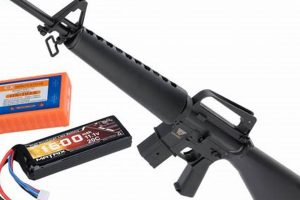
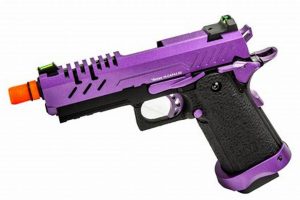
The bright orange marking affixed to the barrel of airsoft replicas serves as a readily identifiable indicator that the item is not a real firearm. This visual cue is intended to prevent misidentification and potential safety concerns in public spaces. It is typically a requirement for sale and transport, ensuring these devices are easily distinguished from actual weapons.
Compliance with regulations surrounding these identifiers is crucial. Their presence mitigates risks associated with public perception and interaction with law enforcement. Historically, the implementation of these markers has aimed to reduce incidents of misunderstanding and prevent the misuse of airsoft devices in situations where they could be mistaken for genuine firearms.
The subsequent sections will delve into the legal implications, potential consequences, and acceptable methods for modifying or altering the appearance of airsoft guns within permissible boundaries, while strictly adhering to safety and legal guidelines.
Guidance Regarding Alteration of Airsoft Device Markings
The following provides information pertaining to the practice of altering or modifying the federally mandated orange tip present on airsoft devices. Understand all applicable laws and regulations before considering any modifications.
Tip 1: Research Local and Federal Laws: Before proceeding, conduct thorough research into the specific regulations governing airsoft devices in one’s locality and under federal law. Regulations vary significantly, and non-compliance may result in legal penalties.
Tip 2: Consider the Implications: Modifying the appearance of an airsoft device to resemble a real firearm carries potential risks. The device may be mistaken for a genuine weapon, leading to potentially dangerous interactions with law enforcement or the public.
Tip 3: Explore Alternatives: Before permanently altering the orange tip, investigate alternatives, such as using the device only in designated, controlled environments where its appearance is less of a concern.
Tip 4: If Removal is Necessary, Proceed with Caution: If the orange tip must be removed for a legitimate purpose (e.g., repair or replacement), exercise extreme caution to avoid damaging the device. Consult with a qualified airsoft technician if unsure.
Tip 5: Document the Process: Keep a record of any modifications made to the device, including photographs and descriptions. This documentation may be useful in the event of scrutiny or legal inquiry.
Tip 6: Prioritize Safety: Always treat any airsoft device as if it were a real firearm. Maintain safe handling practices, and never point the device at anyone, regardless of whether it is loaded or not.
Compliance with laws and adherence to safety protocols are paramount. Any alteration to the appearance of an airsoft device must be undertaken with a clear understanding of the potential consequences and a commitment to responsible ownership.
The following sections will address the potential repercussions of mishandling airsoft devices and the importance of responsible usage.
1. Legality
The removal of the orange tip from an airsoft gun directly intersects with federal and state regulations concerning imitation firearms. Federal law mandates the presence of this marking on airsoft guns to distinguish them from real firearms, thereby preventing potential misuse or misidentification. Removing this identifier can transform the device into something legally ambiguous, potentially violating federal statutes governing the sale, transport, and possession of imitation firearms. For example, a person altering the appearance of an airsoft gun to resemble a real firearm could face charges related to brandishing or the illegal modification of a device intended to appear as a genuine weapon.
State laws further complicate the issue, with some jurisdictions imposing stricter regulations than federal law. Certain states may prohibit the sale or possession of airsoft guns lacking the orange tip, irrespective of intent. Moreover, using a modified airsoft gun in public, where it could be mistaken for a real firearm, can lead to charges of disorderly conduct, brandishing, or even more serious offenses, depending on the specific circumstances and the perceived threat. Court cases involving individuals brandishing what appeared to be real firearms, only to be later identified as modified airsoft guns, illustrate the potential legal ramifications.
Therefore, understanding the interplay between legality and the modification of airsoft guns is crucial. Violations can result in fines, confiscation of the device, or even criminal charges. Compliance requires a thorough understanding of both federal and state regulations, and a cautious approach to altering any markings intended to identify the device as an imitation firearm. The potential legal repercussions far outweigh any perceived aesthetic benefit gained from removing the orange tip.
2. Safety

The presence of the orange tip on airsoft guns serves as a crucial visual indicator, significantly enhancing safety by immediately distinguishing them from actual firearms. Removing this marker introduces a heightened risk of misidentification, potentially leading to dangerous or even lethal consequences. The absence of the orange tip can cause confusion during law enforcement interactions, escalating situations based on the perception of a real firearm. Furthermore, the lack of visual differentiation increases the risk of accidental shootings, as individuals might mistakenly believe they are handling a harmless toy instead of a realistic-looking replica.
Consider a scenario where an individual carries an airsoft gun without the orange tip in public. If observed by law enforcement or concerned citizens, the device could be perceived as a real firearm, triggering an armed response. Such incidents have resulted in severe injuries and fatalities due to the mistaken belief that the individual posed an immediate threat. The orange tip acts as a preventative measure, offering immediate visual confirmation that the device is not a lethal weapon, allowing for more measured responses and de-escalation of potentially volatile situations. Its removal effectively eliminates this crucial safety buffer.
Prioritizing safety necessitates maintaining the orange tip on airsoft guns, regardless of aesthetic preferences. The potential risks associated with its removal far outweigh any perceived benefits. Responsible ownership demands adherence to safety protocols and a clear understanding of the potential consequences of altering or removing this essential safety marker. By preserving the orange tip, individuals contribute to a safer environment for themselves, law enforcement, and the community as a whole.
3. Liability
The issue of liability in the context of airsoft gun modification, specifically the removal of the orange tip, presents a spectrum of potential legal and financial consequences. This extends beyond simple regulatory violations and encompasses the potential for civil lawsuits and criminal charges, depending on the specific circumstances surrounding the device’s use or misuse.
- Misidentification and Negligence
If an airsoft gun without the orange tip is mistaken for a real firearm, leading to injury or property damage, the individual who removed the marking may be held liable for negligence. This liability arises from creating a foreseeable risk that the device would be perceived as a lethal weapon. For example, if someone brandishes a modified airsoft gun and causes another person to suffer a heart attack due to fright, the individual who removed the orange tip could face a lawsuit for damages.
- Criminal Acts and Accessory Liability
Should a person commit a crime using an airsoft gun from which the orange tip has been removed, the individual who altered the device could face accessory liability. This could include charges of aiding and abetting, particularly if the alteration was made with knowledge that the device might be used for illegal purposes. The degree of liability would depend on the extent of the individual’s involvement and knowledge of the intended criminal act.
- Violation of Sales Agreements
Many airsoft gun sales agreements include clauses that prohibit the modification or alteration of the device, specifically regarding the removal of safety markings like the orange tip. Removing the orange tip may constitute a breach of contract, potentially leading to legal action by the seller or manufacturer. This may include demands for damages or the invalidation of warranties, leaving the owner responsible for any malfunctions or damages.
- Insurance Implications
Homeowners or renters insurance policies may not cover incidents involving modified airsoft guns, especially if the modifications contributed to the event. Removing the orange tip could be considered a deliberate act that voids coverage, leaving the individual financially responsible for any damages or injuries resulting from the device’s use. This may necessitate bearing the full cost of legal defense and settlement in cases of liability.
The potential for liability stemming from the removal of the orange tip underscores the importance of considering the legal and ethical ramifications before making such modifications. The risks extend beyond regulatory fines, potentially encompassing significant financial burdens and criminal charges. Responsible ownership requires adhering to all applicable regulations and understanding the potential consequences of modifying safety features intended to distinguish airsoft devices from real firearms.
4. Aesthetics

The desire for enhanced realism frequently motivates the removal of the orange tip from airsoft guns. This modification aims to replicate the appearance of actual firearms more accurately, enhancing the aesthetic appeal for collectors, enthusiasts, and those involved in film or theatrical productions. However, this pursuit of visual fidelity carries inherent risks and legal implications.
- Enhanced Realism and Visual Appeal
Removing the orange tip significantly contributes to the realism of an airsoft gun, making it virtually indistinguishable from a real firearm at a glance. This enhanced aesthetic appeal is particularly valued in contexts where authenticity is paramount, such as historical reenactments, movie props, or personal collections. The visual fidelity allows for a more immersive experience, mirroring the appearance and feel of actual firearms.
- Theatrical and Film Applications
In the entertainment industry, the realistic appearance of airsoft guns can reduce production costs and enhance the visual quality of scenes involving firearms. Modified airsoft guns, lacking the orange tip, provide a safer alternative to real firearms while maintaining visual authenticity. However, production companies must navigate legal restrictions and safety protocols to prevent misidentification and potential incidents outside of controlled environments.
- Collector’s Value and Authenticity
For some collectors, the aesthetic appeal of airsoft guns lies in their accurate replication of historical or contemporary firearms. The presence of an orange tip detracts from this authenticity, diminishing the value and aesthetic satisfaction derived from the collection. Removing the tip allows collectors to more accurately represent the appearance of the firearms they admire, but it also carries the risk of legal and social consequences if the devices are displayed or transported improperly.
- Subjective Preference and Personal Customization
Beyond professional applications and collecting, some individuals simply prefer the look of an airsoft gun without the orange tip for personal aesthetic reasons. This preference is often rooted in a desire to customize the device to better match the appearance of real firearms or to create a more visually appealing display. However, such subjective preferences must be balanced against the legal requirements and safety considerations associated with modifying airsoft guns.
The allure of enhanced aesthetics associated with removing the orange tip from airsoft guns is undeniable. However, this desire must be tempered by a thorough understanding of the legal, ethical, and safety implications. While the modification may enhance the visual appeal or realism of the device, the potential consequences of misidentification, legal repercussions, and safety risks necessitate a cautious and responsible approach. The pursuit of aesthetics should never compromise compliance with applicable laws or the safety of individuals and the community.
5. Alternatives

The consideration of alternatives to removing the orange tip from an airsoft gun is paramount, providing viable options that mitigate legal risks and promote responsible ownership while still addressing the underlying motivations for modification.
- Designated Airsoft Fields and Arenas
These controlled environments offer a legal and safe space to use airsoft guns without the need for an orange tip. Usage is restricted to areas where the devices are clearly understood to be non-lethal replicas, eliminating the risk of misidentification by law enforcement or the public. These fields often have specific rules and safety protocols in place, ensuring a secure and regulated environment for airsoft activities.
- Realistic Training Environments (MilSim)
Military simulation (MilSim) events frequently necessitate realistic equipment appearances for training purposes. However, these events typically occur on private property or in designated training areas, where the absence of the orange tip does not pose a legal risk. Furthermore, participants are thoroughly briefed on safety protocols and the identification of airsoft devices, reducing the potential for accidents or misidentification.
- Protective Barrel Sleeves or Covers
Rather than permanently removing the orange tip, a removable barrel sleeve or cover can provide the desired aesthetic alteration while maintaining the option to quickly restore the device to its compliant state. These accessories allow for temporary modification in controlled environments, ensuring compliance with regulations during transportation or storage. They offer a flexible solution that balances aesthetic preferences with legal requirements.
- Professional Painting and Camouflage
Instead of removing the orange tip, skilled airsoft technicians can apply professional-grade paints or camouflage patterns that enhance the aesthetic appeal of the device without compromising its legal status. This approach allows for customization while retaining the visual identifier required by law. The result is a unique and visually appealing airsoft gun that remains compliant and easily distinguishable from a real firearm.
These alternatives demonstrate that the desired aesthetic and functional modifications to airsoft guns can be achieved without resorting to the removal of the orange tip. By considering these options, individuals can enjoy their airsoft activities responsibly, adhering to legal requirements and prioritizing safety while still achieving the desired level of realism and customization.
6. Consequences
The ramifications of removing the orange tip from an airsoft gun extend beyond mere aesthetic considerations. This action triggers a series of potential consequences that impact legal standing, safety protocols, and personal liability. The following elucidates these multifaceted repercussions.
- Legal Penalties
Removing the orange tip can lead to various legal penalties, including fines, confiscation of the airsoft gun, and potential criminal charges. Federal law mandates the presence of this marker to differentiate airsoft guns from real firearms. Violations can result in prosecution under federal statutes governing imitation firearms. State and local laws may impose additional penalties, further complicating the legal landscape. For example, possessing an airsoft gun without the orange tip in certain jurisdictions may constitute a misdemeanor, punishable by fines and/or imprisonment.
- Escalation of Law Enforcement Interactions
An airsoft gun lacking the orange tip is more likely to be perceived as a real firearm by law enforcement officers. This misidentification can escalate interactions, potentially leading to the use of force. Officers responding to a situation involving what appears to be a real firearm may act decisively to neutralize the perceived threat, resulting in injury or even death. The absence of the orange tip increases the risk of such misinterpretations and the potential for tragic outcomes.
- Civil Liability
Individuals who remove the orange tip from an airsoft gun may face civil liability if the device is involved in an incident resulting in injury or property damage. If the airsoft gun is mistaken for a real firearm and causes emotional distress or physical harm, the individual who altered the device may be sued for negligence or intentional infliction of emotional distress. The potential for significant financial damages exists, particularly if the incident results in long-term medical care or psychological trauma.
- Social and Reputational Damage
Removing the orange tip can lead to social stigmatization and reputational damage. Public perception of individuals possessing airsoft guns without the orange tip can be negative, particularly in communities where gun violence is a concern. This can result in social isolation, difficulty obtaining employment, and damage to personal relationships. The act of removing the orange tip may be viewed as irresponsible and indicative of a disregard for public safety, leading to long-term reputational consequences.
The consequences associated with removing the orange tip from an airsoft gun are significant and far-reaching. They encompass legal, safety, and social implications that can profoundly affect an individual’s life. Responsible ownership and adherence to applicable regulations are essential to mitigate these risks and ensure the safe and lawful use of airsoft devices.
7. Restoration
Restoration, in the context of airsoft guns and the removal of the orange tip, refers to the process of returning a modified airsoft device to its original, legally compliant state. The connection lies in the potential need to undo the effects of removing the orange tip, either to comply with legal requirements, address safety concerns, or mitigate liability. The act of removing the orange tip creates a situation where restoration becomes a relevant consideration. An individual might remove the orange tip for aesthetic purposes but later realize the legal and social implications, necessitating a return to compliance. The importance of restoration stems from the need to rectify a potentially illegal modification and reinstate the safety feature designed to distinguish the airsoft gun from a real firearm. Consider a scenario where an airsoft gun owner removes the orange tip and subsequently decides to sell the device. To legally sell the airsoft gun, the orange tip must be properly reattached or replaced.
Several methods exist for restoring an airsoft gun to its original state after the orange tip has been removed. The most common approach involves acquiring a replacement orange tip designed for the specific airsoft gun model. The replacement tip can then be securely affixed to the barrel using appropriate adhesives or threading, depending on the original construction of the device. Alternatively, some individuals may opt to have the orange tip professionally reattached by an airsoft technician to ensure proper adherence and functionality. The selection of method must take consideration to the material of the device, and to find similar material or components to be use. Careful material selection is important for structural integrity. Another key step will be the coloring process, since the color will have to be re-applied to match the original device.
Restoration of an airsoft gun after removing the orange tip is a critical step in ensuring legal compliance, promoting safety, and mitigating potential liability. The process requires careful attention to detail and the use of appropriate methods and materials to ensure the replacement orange tip is securely attached and readily visible. While the initial act of removing the orange tip may seem like a minor alteration, the subsequent need for restoration underscores the importance of adhering to legal requirements and prioritizing responsible ownership of airsoft devices. Moreover, the ability to reverse the modification highlights the potential for individuals to correct past actions and align their practices with legal and safety standards.
Frequently Asked Questions
The following addresses common inquiries concerning the modification of federally mandated orange tips on airsoft devices, providing clarity on legal and safety considerations.
Question 1: Is the removal of the orange tip from an airsoft gun illegal?
Federal law mandates the presence of an orange tip on airsoft guns to distinguish them from real firearms. Removing this marking can violate federal statutes governing imitation firearms and potentially contravene state and local laws. The legality of removal depends on specific jurisdiction and intent.
Question 2: What are the potential consequences of using an airsoft gun without an orange tip in public?
Using an airsoft gun lacking an orange tip in public can lead to misidentification by law enforcement or civilians, potentially resulting in escalated interactions, including the use of force. It can also lead to charges of brandishing or disorderly conduct, depending on local laws and the perceived threat.
Question 3: Can one be held liable for damages caused by an airsoft gun from which the orange tip was removed?
Individuals who remove the orange tip may face civil liability if the airsoft gun is involved in an incident resulting in injury or property damage. This liability arises from creating a foreseeable risk that the device would be perceived as a lethal weapon. Insurance coverage may also be affected.
Question 4: Are there alternatives to removing the orange tip for aesthetic purposes?
Alternatives include using airsoft guns in designated airsoft fields and arenas where the orange tip is not required, employing removable barrel sleeves or covers, or opting for professional painting or camouflage that preserves the orange tip while enhancing the aesthetic appeal.
Question 5: How can an airsoft gun be restored to its original, compliant state after the orange tip has been removed?
Restoration typically involves acquiring a replacement orange tip designed for the specific airsoft gun model and securely affixing it to the barrel using appropriate adhesives or threading. Professional reattachment by an airsoft technician may also be considered.
Question 6: Does removing the orange tip void the warranty on an airsoft gun?
Removing the orange tip may constitute a breach of the sales agreement, potentially leading to legal action by the seller or manufacturer and the invalidation of warranties. The owner may then be responsible for any malfunctions or damages.
Adherence to legal regulations and safety precautions remains paramount. Any modification to the appearance of an airsoft device requires a thorough understanding of potential repercussions and a commitment to responsible ownership.
The following sections will address potential best practices regarding airsoft device modifications and legal consideration.
Removing Orange Tip from Airsoft Gun
This exploration of “removing orange tip from airsoft gun” has illuminated the multifaceted implications of such an action. It encompasses legal statutes, safety protocols, potential liabilities, aesthetic considerations, viable alternatives, significant consequences, and the possibility of restoration. The comprehensive analysis underscores the critical importance of fully understanding these factors before proceeding with any modifications to airsoft devices.
The decision to alter the mandated markings on airsoft guns carries substantial weight. Therefore, individuals must prioritize compliance, safety, and responsible ownership. Understanding the potential risks and consequences is essential for protecting oneself and others. Continuous awareness and adherence to applicable regulations are paramount to ensure lawful and safe engagement in airsoft activities.