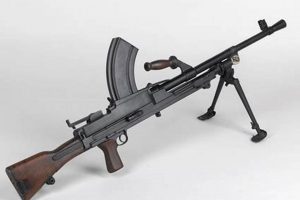
The legality of discharging airsoft guns on private property within Canada is subject to provincial and municipal regulations. These regulations often govern the safe handling and use of airguns, which may include airsoft guns, within residential areas. A person’s right to use their backyard for this purpose hinges on compliance with local bylaws concerning noise, public safety, and the discharge of projectiles. For example, a municipality might prohibit the discharge of any airgun that could reasonably cause alarm or injury, regardless of whether it is on private property.
Understanding these regulations is crucial for responsible airsoft enthusiasts. Strict adherence to local laws minimizes the risk of fines, legal repercussions, and potential harm to individuals or property. Furthermore, responsible usage fosters a positive perception of the sport and helps prevent the implementation of more restrictive laws. Historically, incidents involving misuse have often led to increased scrutiny and stricter controls on airgun activities.
Therefore, before engaging in airsoft activities on private land in Canada, it is essential to research and understand the specific bylaws in the relevant province and municipality. Key aspects to investigate include permitted discharge zones, noise restrictions, safe handling requirements, and any age-related restrictions. Additionally, confirming insurance coverage for potential liability is a prudent measure.
Considerations for Airsoft Gun Use on Private Property in Canada
Exercising caution and adhering to local regulations are paramount when considering airsoft activities on residential land. The following points offer guidance for responsible practices within a Canadian context.
Tip 1: Provincial and Municipal Bylaws: Thoroughly investigate both provincial legislation and municipal bylaws concerning airgun usage. Requirements often vary significantly between jurisdictions, and ignorance of these rules is not a valid defense.
Tip 2: Secure Perimeter: Establish a clearly defined and secure perimeter around the designated shooting area. This measure ensures that projectiles remain within the intended space and minimizes the risk of accidental injury to neighbors or passersby.
Tip 3: Backstop Implementation: Utilize a robust backstop constructed of appropriate materials to prevent projectiles from leaving the property. A poorly constructed backstop poses a significant safety hazard and increases the risk of property damage.
Tip 4: Noise Mitigation: Be mindful of noise levels, particularly during early morning or late evening hours. Excessive noise can disturb neighbors and potentially violate noise bylaws, resulting in fines.
Tip 5: Protective Gear: Always wear appropriate protective gear, including eye protection and face masks, when engaging in airsoft activities. This precaution minimizes the risk of injury from ricocheting projectiles.
Tip 6: Age Restrictions and Supervision: Adhere to any age restrictions stipulated by local regulations. Minors should always be supervised by a responsible adult knowledgeable in safe airsoft gun handling practices.
Tip 7: Insurance Coverage: Confirm that personal liability insurance covers potential incidents arising from airsoft activities. This can protect against unforeseen damages or injuries.
By implementing these practices, individuals can mitigate risks and promote responsible usage. Prioritizing safety and adhering to local laws ensures that airsoft activities remain both enjoyable and legally compliant.
Failing to adhere to the above guidelines risks violating laws and causing harm. Therefore, proceeding with caution is always advisable.
1. Provincial Airgun Legislation

Provincial airgun legislation forms a critical determinant in the legality of discharging airsoft guns on private property within Canada. These regulations establish the fundamental framework governing the possession, handling, and use of airguns, including airsoft variants. The applicability of these laws directly impacts the permissibility of airsoft activities in residential backyards across different provinces.
- Definition of Airgun:
Provincial legislation defines what constitutes an airgun, and whether airsoft guns fall under this definition. If airsoft guns are classified as airguns, they are subject to the restrictions and regulations outlined in the provincial airgun act. This definition often considers factors such as projectile velocity, power source, and intended use. This classification is crucial in determining which rules apply.
- Discharge Restrictions:
Many provinces impose restrictions on the discharge of airguns in certain areas, including residential zones. Legislation might prohibit the discharge of airguns within a specified distance of public roads, buildings, or other occupied areas. Some regulations may require specific safety precautions to be taken, such as ensuring that the projectile cannot leave the property or pose a danger to others. Such restrictions directly affect the viability of backyard airsoft activities.
- Age Restrictions and Supervision:
Provincial laws commonly address age restrictions pertaining to the possession and use of airguns. Legislation may stipulate a minimum age for owning or using an airgun, and may require adult supervision for younger individuals engaging in airgun activities. These age-related regulations directly influence who can participate in backyard airsoft games and the level of oversight required.
- Safe Handling and Storage:
Provincial legislation often mandates safe handling and storage practices for airguns. Requirements may include storing airguns unloaded and secured when not in use, and handling them responsibly to prevent accidental discharge. Adherence to these safety guidelines is essential for mitigating risks associated with backyard airsoft activities.
In summary, provincial airgun legislation provides the foundational legal context for determining whether an individual can legally discharge airsoft guns in a backyard within Canada. Compliance with these provincial laws is paramount, although local municipal bylaws may impose further restrictions or conditions. Therefore, thorough understanding of both provincial and municipal regulations is essential for responsible and lawful airsoft participation.
2. Municipal Bylaw Compliance

Municipal bylaw compliance constitutes a critical factor in determining the legality of discharging airsoft guns in a backyard environment within Canada. Municipalities possess the authority to enact bylaws that govern activities within their jurisdiction, including those related to noise, public safety, and the discharge of weapons, which may encompass airsoft guns. Therefore, adherence to these local regulations is essential for lawful airsoft activities on private property.
- Noise Bylaws
Many municipalities have noise bylaws that restrict excessive or disruptive sounds, particularly during specific hours. The discharge of airsoft guns, especially in rapid succession or with high-powered models, can generate noise levels that violate these bylaws. Consequently, individuals intending to use airsoft guns in their backyard must assess the potential noise impact on neighbors and comply with local noise regulations. Failure to do so may result in fines or legal action.
- Discharge of Projectiles
Municipal bylaws often regulate the discharge of projectiles, including those from airguns and airsoft guns. These bylaws may prohibit the discharge of projectiles that could pose a danger to people or property, regardless of whether the activity occurs on private land. Some municipalities may require specific safety measures, such as the erection of barriers or the use of backstops, to prevent projectiles from leaving the property. Non-compliance with these regulations can lead to penalties and potential liability for damages.
- Definition of “Weapon”
The definition of “weapon” under municipal bylaws is significant. If a municipality defines airsoft guns as weapons, they may be subject to stricter regulations regarding their use and discharge. Some bylaws may prohibit the discharge of any weapon within municipal boundaries, even on private property. Individuals must ascertain how their municipality defines airsoft guns to understand the applicable regulations. This clarity is essential for avoiding unintentional bylaw violations.
- Public Safety Concerns
Municipal bylaws are often enacted to address public safety concerns. Airsoft guns, though designed for recreational purposes, can resemble real firearms, potentially causing alarm or panic among the public. Municipalities may impose restrictions on the open display or use of airsoft guns in public view to prevent such concerns. Individuals must ensure that their airsoft activities do not create a public safety risk or violate any bylaws related to the display or handling of imitation firearms.
In conclusion, municipal bylaw compliance is a non-negotiable aspect of legally discharging airsoft guns in a backyard within Canada. These bylaws address noise, projectile discharge, weapon definitions, and public safety concerns, all of which can significantly impact the permissibility of airsoft activities on private property. Individuals must thoroughly research and adhere to all applicable municipal bylaws to avoid legal repercussions and ensure the safety and well-being of their community.
3. Safe Discharge Zones

The concept of “safe discharge zones” is intrinsically linked to determining whether airsoft guns can be discharged in a backyard within Canada. Establishing and maintaining a secure zone is paramount to ensuring both legal compliance and minimizing the risk of harm or property damage. The existence and characteristics of this zone directly influence the permissibility and safety of airsoft activities on private residential land.
- Definition and Scope of a Safe Discharge Zone
A safe discharge zone is a clearly delineated area designed to contain projectiles fired from an airsoft gun. This zone must incorporate barriers, backstops, and adequate spatial buffers to prevent projectiles from leaving the property or causing injury. The specific dimensions and construction of the zone depend on the power of the airsoft guns used, the type of projectiles, and the surrounding environment. The zone is not only a physical boundary but also a conceptual framework encompassing responsible usage and adherence to safety protocols.
- Legal and Regulatory Requirements for Safe Zones
Provincial and municipal regulations often stipulate requirements for safe discharge zones, particularly in residential areas. These regulations may mandate specific barrier materials, minimum distances from property lines, and restrictions on projectile velocity. Compliance with these requirements is essential for avoiding fines, legal repercussions, and potential liability. The legal framework establishes the baseline standards for safe airsoft practices.
- Impact of Zone Design on Neighbouring Properties
The design and implementation of a safe discharge zone directly impacts neighboring properties. A poorly designed zone can result in projectiles landing on adjacent land, causing property damage or posing a risk of injury. Therefore, it is essential to consider the proximity of neighboring houses, fences, and public spaces when establishing a safe zone. Effective communication with neighbors can also help to address concerns and promote responsible airsoft practices.
- Dynamic Adjustment of Safe Zones Based on Conditions
The safe discharge zone is not static; it requires dynamic adjustment based on environmental conditions and usage patterns. Changes in wind direction, projectile velocity, or the number of participants may necessitate modifications to the zone’s boundaries or safety measures. Regular inspections and maintenance of the zone are crucial for ensuring its continued effectiveness. This dynamic approach recognizes that safety is an ongoing process, not a one-time setup.
In summary, the establishment and maintenance of a safe discharge zone is a fundamental prerequisite for determining the legality and safety of discharging airsoft guns in a backyard within Canada. Compliance with legal and regulatory requirements, consideration of neighboring properties, and dynamic adjustments based on conditions are all essential components of responsible airsoft practices. Prioritizing the creation of a well-defined and secure zone mitigates risks and promotes a safe environment for airsoft activities.
4. Noise Restriction Adherence
Noise restriction adherence is inextricably linked to the permissibility of discharging airsoft guns in a backyard in Canada. Municipalities across the country implement noise bylaws designed to maintain peace and tranquility within residential areas. The discharge of airsoft guns, particularly rapid firing or the use of high-powered models, has the potential to generate noise levels that exceed permissible limits outlined in these bylaws. A direct consequence of violating these noise restrictions is the imposition of fines, legal action, or even the prohibition of airsoft activities on the property. The severity of the penalties underscores the importance of understanding and abiding by local noise regulations when considering airsoft gun usage in a backyard setting.
The practical significance of noise restriction adherence is evident in numerous Canadian municipalities. For example, a resident in a suburban community might experience legal repercussions if the sound levels from airsoft activities consistently disturb neighbors, particularly during early morning or late evening hours. Municipalities often employ decibel meters to measure noise levels and determine if they exceed acceptable thresholds. Documented instances of noise complaints and subsequent enforcement actions highlight the need for responsible airsoft practices that prioritize noise mitigation. Strategies for minimizing noise include using lower-powered airsoft guns, implementing sound-dampening measures, and restricting activities to daylight hours.
In summary, adherence to noise restrictions constitutes a critical factor in determining whether airsoft guns can be lawfully discharged in a backyard in Canada. Non-compliance can lead to financial penalties, legal disputes, and the curtailment of recreational activities. Understanding and proactively addressing noise concerns through responsible airsoft practices is essential for maintaining positive community relations and ensuring the continued permissibility of airsoft activities on private property. The practical implication of this is the need for individuals to consult local bylaws, assess the potential noise impact of their activities, and implement mitigation strategies to minimize disturbances to neighbors.
5. Liability Insurance Coverage
Liability insurance coverage directly pertains to the permissibility and potential ramifications of discharging airsoft guns on private property within Canada. This type of insurance provides financial protection against claims of bodily injury or property damage resulting from activities conducted on one’s property, including airsoft.
- Financial Protection Against Injury Claims
If an individual sustains injury as a result of airsoft activities on private land, the property owner may be held liable for medical expenses, lost wages, and pain and suffering. Liability insurance coverage can provide financial resources to cover these claims, protecting the property owner from significant financial burden. For example, if a neighbor is accidentally struck by an airsoft projectile while retrieving mail, resulting in an eye injury, the property owner’s insurance policy could cover the associated medical costs and potential legal settlements. The availability of this protection becomes a crucial factor in assessing the overall risk associated with allowing airsoft activities.
- Coverage for Property Damage
Airsoft projectiles can cause damage to property, such as windows, fences, or vehicles. Liability insurance coverage can extend to these types of damages, providing compensation for repair or replacement costs. Consider a scenario where airsoft projectiles consistently ricochet off a backstop and damage a neighbor’s car parked along the property line. The property owner’s insurance policy could cover the cost of repairing the vehicle, preventing a potentially expensive out-of-pocket expense. The extent of coverage for property damage varies between policies, necessitating a careful review of the policy terms.
- Legal Defense Costs
Even if an individual is not ultimately found liable for damages or injuries, defending against a claim can incur significant legal expenses. Liability insurance coverage often includes a provision for covering legal defense costs, such as attorney fees, court costs, and expert witness fees. In the event of a lawsuit arising from airsoft activities, the insurance company would provide legal representation and cover the associated expenses, regardless of the outcome of the case. This coverage offers valuable peace of mind and protection against potentially crippling legal bills.
- Policy Exclusions and Limitations
It is essential to carefully review the terms of a liability insurance policy to understand any exclusions or limitations that may apply to airsoft activities. Some policies may specifically exclude coverage for injuries or damages resulting from the use of airguns or airsoft guns. Others may have limitations on the amount of coverage available for certain types of claims. For instance, a policy may exclude coverage for intentional acts or activities that violate local bylaws. A thorough understanding of the policy’s limitations is crucial for assessing the extent of protection provided in the context of backyard airsoft activities.
In conclusion, liability insurance coverage plays a pivotal role in mitigating the financial risks associated with discharging airsoft guns on private property within Canada. While not a guarantee of legality, the presence of adequate coverage provides a critical safety net in the event of accidental injuries or property damage. Individuals should consult with their insurance provider to ensure that their policy adequately covers potential liabilities arising from airsoft activities and to understand any applicable exclusions or limitations. Responsible airsoft practices, coupled with adequate insurance coverage, contribute to a safer and more legally sound environment for recreational activities on private land.
Frequently Asked Questions
This section addresses common inquiries regarding the discharge of airsoft guns on private property in Canada. The information provided aims to clarify legal and practical considerations relevant to this activity.
Question 1: Is it inherently legal to discharge an airsoft gun in a backyard in Canada?
The legality of discharging an airsoft gun in a backyard is not guaranteed and depends on adherence to provincial laws and municipal bylaws. These regulations govern airgun usage, noise levels, and public safety, which can restrict or prohibit airsoft activities even on private land.
Question 2: What are the key factors determining legality?
Key factors include provincial airgun legislation, municipal bylaws concerning noise and projectile discharge, the establishment of a safe discharge zone, adherence to noise restrictions, and possessing adequate liability insurance coverage.
Question 3: How do provincial airgun laws impact backyard airsoft activities?
Provincial laws define airguns, restrict discharge areas, impose age restrictions, and mandate safe handling practices. If airsoft guns fall under the provincial definition of “airgun,” these regulations dictate where and how they can be used legally.
Question 4: Why is municipal bylaw compliance important?
Municipal bylaws address noise levels, projectile discharge, the definition of “weapon,” and public safety concerns. These regulations can further restrict airsoft activities, even if provincial laws permit them.
Question 5: What constitutes a “safe discharge zone”?
A safe discharge zone is a clearly defined area designed to contain projectiles, preventing them from leaving the property or causing injury. It requires barriers, backstops, and adequate spatial buffers.
Question 6: What role does liability insurance play in backyard airsoft activities?
Liability insurance provides financial protection against claims of bodily injury or property damage resulting from airsoft activities. It can cover medical expenses, repair costs, legal defense fees, and potential settlements, mitigating financial risks.
In summary, discharging airsoft guns on private property in Canada requires careful consideration of various legal and practical factors. Compliance with provincial laws, municipal bylaws, and safe practices is essential for responsible and lawful airsoft activities.
This concludes the frequently asked questions section. Further research into specific provincial and municipal regulations is recommended.
Conclusion
The preceding exploration has illuminated the nuanced legal landscape surrounding the use of airsoft guns on private land within Canada. The answer to the question “can you shoot airsoft guns in your backyard canada” is not a simple affirmative or negative, but rather contingent on strict adherence to provincial airgun legislation, municipal bylaws governing noise and projectile discharge, the establishment of a secure and well-defined safe discharge zone, proactive management of noise levels, and the possession of adequate liability insurance coverage. Each of these elements contributes to a complex interplay of factors that determine the legality and safety of engaging in such activities.
Ultimately, responsible airsoft enthusiasts must undertake comprehensive due diligence to ascertain the specific regulations applicable to their location. This necessitates consulting relevant provincial statutes, scrutinizing municipal bylaws, and securing appropriate insurance coverage. Failure to comply with these stipulations may result in legal penalties, financial liabilities, and potential community discord. The onus rests upon individuals to prioritize safety, respect the rights and well-being of neighbors, and ensure full compliance with all applicable laws, thereby contributing to a safe and legally sound environment for recreational airsoft activities within Canada.