![Is Airsoft Gun Shooting Squirrels Legal? [Guide]](data:image/svg+xml;base64,PHN2ZyB4bWxucz0iaHR0cDovL3d3dy53My5vcmcvMjAwMC9zdmciIHdpZHRoPSI0NzQiIGhlaWdodD0iNjMiIHZpZXdCb3g9IjAgMCA0NzQgNjMiPjxyZWN0IHdpZHRoPSIxMDAlIiBoZWlnaHQ9IjEwMCUiIHN0eWxlPSJmaWxsOiNjZmQ0ZGI7ZmlsbC1vcGFjaXR5OiAwLjE7Ii8+PC9zdmc+ "Is Airsoft Gun Shooting Squirrels Legal? [Guide] Ultimate Airsoft Guide for Beginners, Tactics & Gear Reviews")
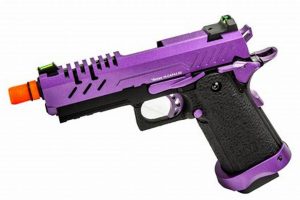
The scenario described involves using a low-powered, typically plastic projectile-firing replica firearm against small rodents. This activity often raises questions regarding humane treatment of animals, legality, and potential safety concerns. The implements in question are generally designed for recreational target practice and simulated combat scenarios among human participants.
Engagement of wildlife with such devices has implications spanning ethical considerations, wildlife management regulations, and potential ecosystem disruption. Furthermore, the impact of projectiles, even at low velocity, can cause injury or distress to the targeted animals. The practice may also have roots in pest control efforts, though more conventional methods are often advocated.
This analysis will further delve into the legal ramifications, welfare considerations, and alternative approaches to wildlife management that address the core issues without resorting to potentially harmful methods. It will also discuss the types of airsoft devices involved and their typical applications in more detail.
Considerations Regarding Wildlife Interaction
The following points address concerns related to potential engagement of wildlife with recreational projectile devices. They aim to provide information relevant to responsible decision-making and compliance with relevant regulations.
Tip 1: Consult Local Ordinances: Before considering any action, thoroughly research local, state, and federal laws pertaining to wildlife harassment and the discharge of projectile-firing devices. Many jurisdictions have specific prohibitions against disturbing or harming wildlife, regardless of the method employed.
Tip 2: Prioritize Humane Solutions: Explore non-lethal methods for addressing any perceived issues with wildlife. These may include deterrents, habitat modification, or professional pest control services. Relocation should only be considered as a last resort and under the guidance of wildlife authorities.
Tip 3: Understand Device Limitations: Recreational projectile devices are generally not designed for hunting or pest control. Their accuracy and power are limited, increasing the risk of inflicting injury without causing immediate incapacitation. This can lead to prolonged suffering for the animal.
Tip 4: Recognize Potential Ecological Impacts: Even isolated incidents can have unintended consequences for local wildlife populations. Disrupting natural behaviors or causing injury can negatively impact breeding success and overall ecosystem health.
Tip 5: Seek Expert Advice: If experiencing challenges with wildlife, consult with wildlife biologists, animal control officers, or pest management professionals. These experts can provide tailored solutions that are both effective and ethical.
Tip 6: Consider the Ethical Implications: The act of targeting wildlife, even with non-lethal intent, raises ethical questions about human responsibility toward animals. Reflect on these issues before engaging in any action that could cause harm or distress.
Tip 7: Emphasize Safe Handling Practices: If utilizing projectile devices for target practice, always adhere to strict safety protocols. This includes wearing appropriate protective gear, ensuring a safe backstop, and never aiming at living creatures.
Adhering to these guidelines promotes responsible interaction with wildlife and ensures compliance with applicable laws and ethical standards. Prioritizing humane solutions and seeking expert advice are crucial steps in addressing any challenges that may arise.
This information sets the stage for further discussion on alternative wildlife management strategies and the importance of respecting the natural environment.
1. Legality

The legality of employing airsoft guns against squirrels is a complex issue contingent upon jurisdictional variations in both animal cruelty laws and regulations governing the discharge of airguns or similar projectile devices. Many regions explicitly prohibit the harassment, injury, or killing of wildlife, regardless of the implement used. Such laws frequently carry substantial penalties, including fines and potential imprisonment. Therefore, the act is not inherently legal, and its permissibility necessitates careful examination of applicable statutes at the local, state, and, in some cases, federal levels.
Furthermore, even in areas where the direct targeting of squirrels may not be specifically outlawed, restrictions on the discharge of airguns within municipal boundaries or near residential areas can indirectly prohibit the practice. Zoning ordinances, noise regulations, and firearms discharge restrictions often overlap to create a legal framework that renders the usage of airsoft guns against wildlife unlawful in many contexts. Violations can result in citations, confiscation of equipment, and a criminal record.
In conclusion, the legal landscape surrounding this activity is complex and varies greatly. Ignorance of the law is not a valid defense, and individuals engaging in this practice risk severe legal repercussions. Due diligence in researching and understanding relevant local, state, and federal regulations is paramount to avoid unintended violations and ensure compliance with the law.
2. Humane Treatment

The intersection of humane treatment and using airsoft guns against squirrels highlights a fundamental conflict of values. Humane treatment, by definition, prioritizes minimizing harm and suffering to animals. Employing airsoft guns, while potentially perceived as a less lethal alternative to firearms, can still inflict injury, pain, and distress upon squirrels. The kinetic energy of the projectile, even if insufficient to cause immediate death, can result in bruising, broken bones, eye damage, or internal injuries. Furthermore, the act of being targeted and struck by a projectile can induce significant psychological stress and fear in the animal. This inherent capacity for harm directly contradicts the principles of humane treatment.
Consider the real-world example of a homeowner experiencing property damage from squirrels. A humane approach would involve identifying the attractants (e.g., readily accessible food sources, nesting opportunities) and implementing preventative measures, such as securing garbage cans, trimming tree branches near the house, and installing squirrel-proof bird feeders. These methods address the root cause of the issue without causing direct harm to the animals. Conversely, resorting to an airsoft gun might provide a temporary solution but does not address the underlying problem and instead inflicts pain and suffering. This approach often escalates the conflict, potentially causing the squirrel to become more wary and difficult to manage.
In summary, using airsoft guns against squirrels is incompatible with the principles of humane treatment. While the intent may not be to cause death, the potential for injury, pain, and psychological distress is significant. Prioritizing humane solutions, such as preventative measures and non-lethal deterrents, is essential for resolving human-wildlife conflicts responsibly and ethically. The challenge lies in finding effective and practical strategies that minimize harm to both the animals and human property, ultimately fostering a more harmonious coexistence.
3. Wildlife Impact
The practice of using airsoft guns against squirrels introduces a range of potential ecological consequences that warrant careful consideration. The focus here is on the cascading effects and long-term ramifications for local wildlife populations and ecosystems.
- Disruption of Foraging Behavior
Targeting squirrels with airsoft guns can disrupt their natural foraging behaviors. The animals may become fearful of specific areas or resources, leading to reduced food intake or altered foraging patterns. This disruption can have cascading effects, particularly during periods of resource scarcity, impacting the squirrel’s health, reproduction, and survival. A squirrel persistently driven away from a reliable food source, such as a backyard bird feeder, might struggle to find alternative resources, especially during winter months.
- Increased Stress Levels and Physiological Effects
The repeated harassment caused by airsoft projectiles can elevate stress levels in squirrels. Chronic stress can suppress their immune system, making them more susceptible to diseases and parasites. Furthermore, elevated stress hormones can negatively impact their reproductive success, reducing the number of offspring they produce. For example, a population subjected to frequent airsoft gun attacks might exhibit lower birth rates and increased mortality due to compromised health.
- Territorial Displacement and Social Disruption
The use of airsoft guns can lead to territorial displacement and social disruption within squirrel populations. Repeated attacks may force squirrels to abandon their established territories, leading to increased competition for resources and potential conflicts with other individuals. This disruption can alter the social structure of the population, potentially leading to decreased cooperation and increased aggression. Consider a scenario where a dominant squirrel is repeatedly targeted and driven out, allowing less experienced or weaker individuals to take over, potentially disrupting the established social hierarchy and resource allocation.
- Unintended Consequences for Other Species
The impact extends beyond the targeted squirrels, potentially affecting other species in the ecosystem. Squirrels play a role in seed dispersal, and disruptions to their populations or behaviors can indirectly influence plant regeneration and forest dynamics. Additionally, predators that rely on squirrels as a food source may experience a decline in prey availability, leading to shifts in their foraging behavior or population sizes. This can create a ripple effect throughout the food web. If squirrel populations decline due to airsoft gun activity, local hawk or fox populations might be affected.
These potential impacts highlight the complex ecological ramifications of using airsoft guns against squirrels. The practice can have far-reaching consequences, disrupting natural behaviors, increasing stress levels, and altering ecosystem dynamics. A comprehensive understanding of these potential impacts is essential for making informed decisions regarding human-wildlife interactions and promoting responsible stewardship of natural resources.
4. Public Safety

The intersection of public safety and the practice of discharging airsoft guns at squirrels introduces multifaceted concerns. The primary risk stems from the potential for projectiles to stray beyond the intended target area. This includes ricochets off hard surfaces, which can cause injury to bystanders, pets, or property. The velocity of airsoft pellets, while lower than that of traditional firearms, is sufficient to cause eye damage, skin abrasions, or more serious injuries, especially in vulnerable individuals like children or the elderly. Moreover, the activity might occur in residential areas or public parks, where unexpected projectile encounters can create panic or fear. A real-life example is the scenario of an airsoft pellet striking a passerby’s vehicle, leading to potential damage and creating a dangerous distraction for the driver.
Beyond the direct impact of projectiles, the visual similarity of airsoft guns to actual firearms presents additional safety challenges. The open carry or visible display of these devices can cause alarm or confusion among members of the public, potentially leading to heightened anxiety or misidentification by law enforcement. Consider a scenario where a concerned citizen reports an individual brandishing what appears to be a firearm; the resulting police response could escalate rapidly, placing both the individual and law enforcement officers at risk. Furthermore, the unsupervised use of airsoft guns by minors increases the likelihood of accidental shootings or unsafe handling practices. Responsible adult supervision and adherence to safety protocols are paramount to mitigating these risks.
In summation, public safety constitutes a critical consideration in evaluating the acceptability of discharging airsoft guns at squirrels. The potential for stray projectiles to cause injury, the risk of misidentification by law enforcement, and the need for responsible adult supervision all underscore the importance of prioritizing public safety over the perceived benefits of such activity. Promoting awareness of these safety concerns and enforcing regulations governing the use of airsoft guns are essential for minimizing the risks and ensuring a safe environment for all members of the community. The challenge lies in balancing recreational activities with the need to protect public well-being and maintain order.
5. Alternative Solutions
The consideration of “alternative solutions” arises as a direct counterpoint to the practice. This stems from ethical, legal, and practical concerns associated with using airsoft guns against squirrels. If squirrels are perceived as a nuisance due to property damage or other conflicts, employing lethal or potentially injurious methods, such as airsoft guns, represents a reactive and often ineffective approach. The existence of underlying attractants, such as readily available food sources or nesting sites, dictates the necessity of alternative strategies addressing the root cause of the issue, not merely the symptoms. Ignoring these alternative solutions perpetuates a cycle of conflict, potentially escalating the situation and failing to provide a sustainable resolution. For example, a homeowner consistently using an airsoft gun to deter squirrels from a bird feeder is less effective than removing the feeder or using a squirrel-proof design, as the squirrels will continue to seek out the food source.
Alternative solutions encompass a spectrum of proactive and preventative measures. These include habitat modification, such as trimming tree branches to prevent squirrels from accessing roofs, securing garbage cans, and eliminating standing water sources. Exclusion methods, such as installing wire mesh or netting to protect vulnerable areas, can be highly effective. Furthermore, employing humane deterrents, like motion-activated sprinklers or ultrasonic devices, can discourage squirrels from frequenting specific locations without causing harm. In more severe cases, professional wildlife removal services offer humane trapping and relocation, ensuring the animal’s well-being and adherence to legal regulations. A practical application involves a community garden experiencing crop damage from squirrels; instead of resorting to airsoft guns, installing netting around the garden, using companion planting with squirrel-repelling herbs, and employing scarecrows or visual deterrents would represent a more sustainable and ethically sound approach.
Ultimately, prioritizing alternative solutions over the use of airsoft guns represents a shift towards responsible wildlife management and conflict resolution. While the immediate gratification of deterring a squirrel with a projectile might seem appealing, the long-term consequences and ethical considerations outweigh any perceived benefits. The challenge lies in educating the public about the effectiveness and availability of alternative solutions, promoting a culture of respect for wildlife, and fostering a proactive approach to managing human-wildlife interactions. This broader understanding encourages sustainable coexistence and minimizes the potential for harm to both animals and the environment.
6. Device Misuse

The application of airsoft guns against squirrels exemplifies device misuse, wherein an item designed for a specific purpose is utilized in a manner inconsistent with its intended function and safety guidelines. Airsoft guns are manufactured for recreational target practice and simulated combat scenarios among consenting adults, emphasizing safety precautions such as eye protection and controlled environments. Employing these devices to target wildlife represents a deviation from this intended use, exposing both the animal and potential bystanders to unnecessary risk. This misuse stems from a misunderstanding of the device’s capabilities and limitations, coupled with a disregard for ethical considerations and legal regulations concerning wildlife interactions.
The implications of this misuse extend beyond the immediate harm inflicted upon the targeted animal. It normalizes a disregard for the device’s safety instructions, potentially leading to further misuse in other contexts. For example, an individual desensitized to using an airsoft gun against wildlife might be more likely to handle the device carelessly or modify it for increased power, escalating the risk of accidental injury to themselves or others. Furthermore, the practice can foster a culture of disrespect for wildlife and the environment, undermining conservation efforts and promoting irresponsible behavior. The absence of structured training, supervision, and adherence to established safety protocols increases the likelihood of unintended consequences, including property damage or physical harm.
Understanding the connection between device misuse and targeting squirrels with airsoft guns is crucial for promoting responsible firearm ownership and ethical treatment of wildlife. Addressing this issue requires education on the intended use and limitations of airsoft guns, coupled with heightened awareness of the legal and ethical implications of wildlife harassment. Emphasizing the importance of adhering to safety guidelines, respecting wildlife, and exploring alternative solutions to human-wildlife conflicts is essential for preventing device misuse and fostering a more sustainable and harmonious coexistence between humans and the natural world. This understanding reinforces the principle that tools should be used responsibly and ethically, respecting their intended purpose and minimizing potential harm.
7. Ecological Balance
The discharge of airsoft projectiles toward squirrels introduces a disturbance to ecological balance, a state wherein populations of organisms exist in equilibrium with each other and their environment. Squirrels fulfill specific roles within ecosystems, including seed dispersal, soil aeration through digging, and serving as a food source for predators. Removing or disrupting squirrel populations, even on a localized scale, can trigger cascading effects throughout the food web and alter plant community structure. The practice of targeting squirrels with airsoft guns, therefore, is not an isolated incident but rather an intervention that can have unintended consequences for the wider ecosystem. For instance, reduced squirrel populations might lead to decreased seed dispersal of certain tree species, impacting forest regeneration over time.
The significance of ecological balance lies in its contribution to ecosystem resilience and stability. Healthy ecosystems are better equipped to withstand environmental stressors, such as climate change, disease outbreaks, and habitat loss. Practices that undermine ecological balance, such as indiscriminate targeting of wildlife, reduce the capacity of ecosystems to adapt and thrive. Consider a scenario where repeated airsoft gun activity reduces squirrel populations in an urban park. The park might then experience an increase in insect pests due to the reduced predation by squirrels, altering the composition of plant species. This instability can affect the park’s aesthetic value, recreational opportunities, and overall environmental health. Furthermore, the disruption of natural processes can create opportunities for invasive species to establish, further threatening native biodiversity.
In conclusion, the use of airsoft guns against squirrels constitutes a disruption of ecological balance with potential ramifications for ecosystem health and stability. Recognizing the interconnectedness of species and the importance of maintaining natural processes is paramount. Prioritizing non-lethal deterrents, habitat management, and ecological awareness fosters responsible stewardship of the environment, ensuring that human actions do not inadvertently undermine the delicate balance of nature. The challenge lies in promoting a greater understanding of ecological principles and inspiring a commitment to practices that support the long-term health and resilience of ecosystems.
Frequently Asked Questions
The following questions and answers address common inquiries and concerns regarding the interaction between airsoft guns and squirrel populations.
Question 1: Is it legal to target squirrels with airsoft guns?
Legality varies based on jurisdiction. Local, state, and federal laws concerning animal cruelty and discharge of projectile devices must be consulted. Many areas prohibit the harassment or harming of wildlife, regardless of the method employed. Penalties for violations can be significant.
Question 2: Is using an airsoft gun against squirrels humane?
Such action raises ethical concerns. While airsoft guns may seem less lethal than firearms, they can still inflict injury, pain, and psychological distress on animals. Humane alternatives should be prioritized.
Question 3: What are the potential impacts on wildlife when targeting squirrels with airsoft guns?
Potential consequences include disruption of foraging behaviors, increased stress levels, territorial displacement, and unintended impacts on other species within the ecosystem.
Question 4: What public safety concerns arise from this practice?
Risks include projectiles straying beyond the intended target area, potential injury to bystanders or pets, and the visual similarity of airsoft guns to actual firearms, which can cause alarm or misidentification.
Question 5: What alternative solutions exist for addressing squirrel-related issues?
Alternatives include habitat modification, exclusion methods, humane deterrents, and professional wildlife removal services. These methods address the root cause of conflicts without harming animals.
Question 6: What constitutes device misuse in this context?
Employing airsoft guns, designed for recreational target practice and simulated combat, to target wildlife represents a misuse of the device, violating safety guidelines and ethical considerations.
The above points reinforce the importance of understanding the legal, ethical, and ecological considerations surrounding the use of airsoft guns against squirrels.
Consideration should next be given to preventative measures and non-harmful ways to promote human and wildlife to coexist.
Airsoft Gun Shooting Squirrels
The preceding analysis has examined the multifaceted implications of using airsoft guns against squirrels. Key considerations encompass legality, humane treatment, wildlife impact, public safety, device misuse, and ecological balance. Findings reveal a complex landscape where the practice often contravenes ethical standards, legal regulations, and ecological principles. While potentially perceived as a minimally harmful method of pest control, the realities indicate a potential for injury, disruption, and broader environmental consequences.
Given the identified concerns, it is imperative to promote responsible wildlife management practices. Prioritizing non-lethal deterrents, habitat modification, and a comprehensive understanding of local ecosystems offers a more sustainable and ethical approach to resolving human-wildlife conflicts. Responsible stewardship necessitates informed decision-making, adherence to legal frameworks, and a commitment to preserving ecological integrity for future generations.