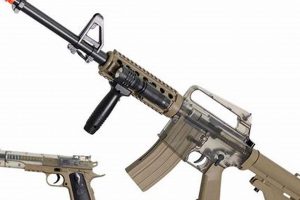
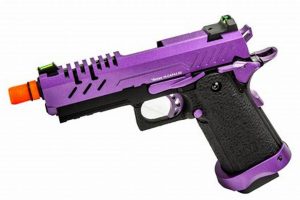
Determining a suitable maturity level for participation in airsoft activities is a complex issue involving safety, responsibility, and cognitive development. Airsoft guns, while designed to be non-lethal, are realistic replicas of firearms and can cause injury if misused. The phrase refers to the point at which an individual possesses the necessary judgment and physical dexterity to handle the equipment safely and adhere to established rules of engagement.
Establishing guidelines for youth involvement in airsoft is crucial for injury prevention and promoting responsible firearm practices. These guidelines, often influenced by legal restrictions and insurance requirements, aim to ensure participants understand and respect the potential risks involved. Historically, concerns regarding imitation firearms and their impact on youth have led to various legislative and organizational efforts to regulate access and usage. Adherence to safety protocols significantly contributes to minimizing accidents and fostering a culture of respect and accountability within the airsoft community.
This discussion will delve into the various factors influencing the determination of suitable involvement, including legal frameworks, parental guidance, and the role of airsoft organizations in promoting safe and ethical gameplay. Considerations will be given to the physical and mental maturity required to participate safely and responsibly.
Guidance on Age Appropriateness for Airsoft
The determination of a suitable age for engaging with airsoft activities necessitates careful consideration of various factors. These tips aim to provide guidance in assessing individual readiness and promoting responsible participation.
Tip 1: Evaluate Maturity Level: Cognitive and emotional maturity are paramount. Individuals must demonstrate the capacity to understand and consistently follow safety regulations and rules of engagement.
Tip 2: Consider Physical Capabilities: Airsoft can be physically demanding, requiring stamina and coordination. Assess whether the individual possesses the necessary physical abilities to handle the equipment and navigate the playing field safely.
Tip 3: Review Legal Restrictions: Familiarize yourself with local and regional laws pertaining to airsoft guns. Minimum age requirements and restrictions on usage locations may vary significantly.
Tip 4: Emphasize Safety Training: Prioritize comprehensive safety training before allowing participation. This training should cover proper handling of airsoft guns, eye protection requirements, and field safety protocols.
Tip 5: Supervise Initial Experiences: Supervise younger or less experienced individuals during their initial airsoft encounters. This allows for real-time guidance and correction of any unsafe practices.
Tip 6: Promote Responsible Gun Handling: Instill a sense of responsibility and respect for airsoft guns. Emphasize that they are not toys and should be treated with the same caution as any potentially hazardous device.
Tip 7: Assess Comprehension of Rules: Ensure the individual fully understands the rules of the specific airsoft field or event. This includes rules regarding engagement distances, hit calling, and prohibited actions.
Adhering to these guidelines assists in mitigating potential risks and fostering a safe and enjoyable airsoft experience. Responsible decision-making regarding participation age is crucial for preventing injuries and promoting ethical gameplay.
The following section will further elaborate on specific factors that influence age appropriateness and how to address potential challenges.
1. Maturity Assessment

The evaluation of maturity is paramount in determining an appropriate participation age for airsoft. It extends beyond chronological age, focusing instead on cognitive and emotional development and the capacity for responsible decision-making. Assessing maturity provides insights into an individual’s ability to comprehend safety protocols, adhere to rules, and exercise sound judgment in dynamic and potentially hazardous situations.
- Cognitive Understanding of Risks
This facet examines the individual’s comprehension of the potential dangers associated with airsoft, including eye injuries, abrasions, and the implications of mishandling equipment. An individual must demonstrate an understanding of the projectile’s potential impact, the importance of protective gear, and the consequences of violating safety guidelines. For example, an individual who acknowledges the importance of eye protection and consistently wears it without prompting demonstrates an understanding of risk. A lack of awareness or dismissive attitude towards these risks indicates insufficient maturity.
- Emotional Regulation and Impulse Control
Airsoft can be an intense and competitive activity. The ability to remain calm under pressure, control impulses, and refrain from aggressive behavior is critical. This involves refraining from retaliatory actions, managing frustration effectively, and resolving conflicts peacefully. An individual who can accept being “hit” and continue playing without argument exhibits emotional regulation. Conversely, displays of anger or aggressive behavior suggest a lack of emotional maturity and raise concerns about safety.
- Adherence to Rules and Authority
Airsoft relies heavily on a structured environment with established rules and the presence of marshals or referees. The capacity to consistently follow instructions, respect authority, and adhere to regulations is essential for safe and fair gameplay. This includes obeying field rules regarding minimum engagement distances, prohibited zones, and hit-calling procedures. An individual who consistently follows instructions and respects the decisions of referees demonstrates an ability to adhere to rules and authority, indicative of maturity.
- Responsibility and Accountability
Taking responsibility for one’s actions and being accountable for any mistakes is a hallmark of maturity. This includes acknowledging errors, accepting consequences, and learning from experiences. An individual who admits to violating a rule and accepts the penalty demonstrates responsibility. Conversely, blaming others or denying responsibility suggests a lack of maturity and hinders the ability to learn and improve.
These facets of maturity assessment are crucial considerations in determining appropriate involvement in airsoft activities. A comprehensive evaluation of these factors, rather than relying solely on chronological age, offers a more accurate indication of an individual’s readiness to participate safely and responsibly. The absence of sufficient maturity in any of these areas can significantly increase the risk of accidents and compromise the integrity of the game.
2. Legal Framework
The legal framework surrounding airsoft guns significantly influences the determination of appropriate usage age. Laws and regulations pertaining to airsoft guns dictate minimum age requirements, permissible usage locations, and storage protocols, thereby shaping the landscape of youth participation in airsoft activities. These legal stipulations aim to mitigate risks associated with airsoft guns and ensure responsible handling. Ignoring or misunderstanding these legal mandates can result in penalties and undermine safety efforts.
- Minimum Age Requirements
Many jurisdictions establish minimum age thresholds for owning, possessing, or using airsoft guns. These age restrictions are based on assessments of cognitive maturity, understanding of safety protocols, and responsible gun handling capabilities. For instance, a state might require individuals to be at least 16 years old to purchase an airsoft gun, while those under 16 may only use them under the supervision of a parent or guardian. Violation of these age-related restrictions can lead to fines, confiscation of the airsoft gun, or other legal repercussions. These laws serve as a baseline for determining suitability, although responsible adults may impose stricter standards within their families.
- Classification of Airsoft Guns
The legal classification of airsoft guns varies widely across different regions, impacting their regulation. Some jurisdictions categorize them as toys, while others classify them as firearms or weapons, subjecting them to stricter regulations. For example, if an airsoft gun is classified as a firearm, it may be subject to background checks, registration requirements, and storage regulations similar to those for traditional firearms. Conversely, if classified as a toy, regulations may be less stringent, but restrictions on usage in public areas may still apply. This classification affects the legal responsibilities of owners and users, influencing decisions on when an individual is mature enough to handle the associated legal obligations.
- Restrictions on Usage Locations
Legal frameworks often impose restrictions on where airsoft guns can be used. Public parks, schools, and residential areas may be prohibited, limiting usage to designated airsoft fields or private property with permission. These restrictions aim to prevent public alarm, minimize the risk of accidental injuries to bystanders, and protect property. For example, discharging an airsoft gun in a public park might result in a fine or confiscation of the equipment, even if the individual meets the minimum age requirement. Understanding and complying with these location-based restrictions is crucial for responsible airsoft participation, influencing the age at which an individual can be entrusted with this responsibility.
- Storage and Transportation Regulations
Some jurisdictions have specific regulations regarding the storage and transportation of airsoft guns. These regulations often require airsoft guns to be stored unloaded and in a secure container when not in use, and to be transported in a manner that prevents them from being readily accessible. These rules are designed to prevent accidental discharge, theft, and misuse of the equipment. For example, an airsoft gun might need to be transported in a locked case and stored separately from ammunition. Compliance with storage and transportation regulations demonstrates responsible gun ownership, and the capacity to adhere to these rules influences the determination of an appropriate age for unsupervised possession of airsoft guns.
In summary, the legal framework surrounding airsoft guns serves as a fundamental guide in determining an appropriate participation age. Minimum age requirements, classifications, usage restrictions, and storage regulations all contribute to shaping responsible practices. Compliance with these legal stipulations is essential for safe and ethical airsoft engagement, and the capacity to understand and adhere to these legal obligations is a critical factor in assessing an individual’s suitability for participation.
3. Safety Training

Comprehensive safety training forms a cornerstone in determining a suitable age for engaging in airsoft activities. The effectiveness of such training directly impacts an individual’s preparedness to handle airsoft equipment responsibly and safely, mitigating potential risks associated with participation. Safety training equips individuals with the knowledge, skills, and attitudes necessary for responsible engagement, influencing the level of supervision required and contributing to a more secure environment for all participants.
- Proper Handling Techniques
Instruction on proper handling techniques constitutes a fundamental element of safety training. Participants learn the correct methods for loading, unloading, carrying, and storing airsoft guns. This training emphasizes muzzle control, trigger discipline, and the importance of treating every airsoft gun as if it were loaded. For instance, participants learn to keep their finger off the trigger until ready to shoot and to point the muzzle in a safe direction at all times. Individuals who demonstrate proficiency in these techniques significantly reduce the risk of accidental discharge and mishandling, contributing to a safer environment. The age at which an individual can consistently and reliably apply these techniques is a crucial factor in determining suitability for unsupervised participation.
- Protective Gear Requirements
Safety training reinforces the mandatory use of appropriate protective gear, primarily emphasizing the importance of ANSI-rated eye protection. Participants learn that eye protection must be worn at all times on the playing field and in designated safe zones. Training also covers the use of face masks, helmets, and other protective gear to minimize the risk of injury from BB impacts. For example, participants learn the importance of ensuring that eye protection fits securely and provides full coverage to prevent BBs from entering around the edges. Consistent adherence to protective gear requirements demonstrates a commitment to safety and mitigates the risk of eye and facial injuries. The degree to which an individual consistently and willingly adheres to these requirements is a key indicator of their readiness for airsoft participation.
- Field Safety Protocols
Safety training encompasses comprehensive instruction on field safety protocols. This includes rules regarding minimum engagement distances, prohibited zones, hit-calling procedures, and emergency procedures. Participants learn the importance of adhering to these rules to prevent injuries and maintain a safe playing environment. For instance, participants learn the minimum distance at which they can safely engage another player and the procedure for calling themselves out after being hit. The ability to understand and consistently follow these field safety protocols is essential for preventing accidents and ensuring a fair and enjoyable game. An individual’s comprehension and adherence to these protocols directly correlate with their suitability for participation, influencing the level of supervision required.
- Conflict Resolution and Ethical Gameplay
Safety training extends beyond physical safety to encompass ethical considerations and conflict resolution techniques. Participants learn how to handle disputes fairly, resolve conflicts peacefully, and maintain sportsmanship. This includes accepting hit calls gracefully, avoiding cheating or unsportsmanlike conduct, and respecting the rights and safety of other players. For example, participants learn to address disagreements respectfully and to seek assistance from a referee or marshal when necessary. The capacity to resolve conflicts peacefully and ethically contributes to a positive and safe playing environment. An individual’s ability to demonstrate good sportsmanship and ethical behavior is an important consideration in determining their readiness for airsoft participation.
In conclusion, safety training plays an indispensable role in determining the appropriate age for airsoft participation. It equips individuals with the essential knowledge, skills, and attitudes necessary for responsible and safe engagement. Consistent adherence to proper handling techniques, protective gear requirements, field safety protocols, and ethical gameplay principles significantly mitigates risks and promotes a positive environment for all participants. Therefore, a thorough assessment of an individual’s comprehension and application of safety training principles is paramount in determining their suitability for airsoft activities.
4. Parental Guidance

Parental involvement is integral in determining the appropriateness of airsoft participation for minors. Active parental guidance ensures the safe and responsible introduction of younger individuals to airsoft activities, mitigating potential risks and fostering ethical gameplay.
- Supervision and Monitoring
Direct supervision by parents or guardians is essential, particularly for younger participants. This oversight allows for real-time assessment of adherence to safety protocols and reinforces responsible behavior. For example, a parent might observe their child’s adherence to minimum engagement distances or proper use of eye protection. Consistent monitoring enables timely intervention, correction of unsafe practices, and prevents escalation of conflicts. Absence of such supervision increases the likelihood of accidents and rule violations. Parental presence provides an additional layer of safety and accountability.
- Education and Reinforcement of Safety Rules
Parents play a vital role in educating their children about airsoft safety rules and reinforcing these rules both on and off the field. This includes explaining the importance of eye protection, responsible gun handling, and ethical gameplay. For instance, parents can review safety protocols before each airsoft event and discuss scenarios that require responsible decision-making. Repetition and reinforcement of these rules help instill a sense of responsibility and accountability, making safety a priority. Children are more likely to internalize safety rules when they are consistently reinforced by parental figures.
- Assessment of Maturity and Responsibility
Parents are uniquely positioned to assess their child’s maturity level and ability to handle the responsibilities associated with airsoft. This assessment goes beyond chronological age, focusing on cognitive and emotional maturity, impulse control, and the capacity for responsible decision-making. For example, a parent might evaluate their child’s ability to follow instructions, resolve conflicts peacefully, and take responsibility for their actions. If a parent determines that their child lacks the necessary maturity, delaying or restricting airsoft participation may be appropriate. Parental insight into a child’s character and abilities is invaluable in making informed decisions about airsoft involvement.
- Establishing Clear Expectations and Boundaries
Parents should establish clear expectations and boundaries regarding airsoft participation, ensuring that their children understand the rules, responsibilities, and potential consequences of unsafe or unethical behavior. This includes setting limits on playtime, restricting access to airsoft guns when not in use, and enforcing penalties for violations of safety rules or codes of conduct. For instance, a parent might establish a rule that airsoft guns must be stored unloaded and locked away when not in supervised use. Clear expectations and boundaries help create a structured environment that promotes responsible behavior and minimizes risks.
In summary, parental involvement is a critical component in determining the appropriateness of airsoft participation for minors. Active supervision, education, assessment of maturity, and establishment of clear expectations contribute to a safer and more responsible introduction to airsoft activities. Parental guidance helps ensure that younger individuals are adequately prepared to handle the responsibilities and potential risks associated with airsoft participation, promoting a positive and safe experience for all.
5. Physical Ability
Physical capability is a significant determinant when considering suitable involvement in airsoft activities, especially for younger individuals. The physical demands of airsoft necessitate a level of fitness and coordination that directly impacts safety and responsible participation. Determining an appropriate participation age must consider an individual’s capacity to meet these physical requirements.
- Stamina and Endurance
Airsoft games often involve prolonged periods of running, walking, and maneuvering across varied terrain. Adequate stamina and endurance are essential to maintain safe gameplay. Participants with limited stamina may become fatigued, leading to reduced awareness, impaired judgment, and increased risk of accidents. For example, an individual struggling to keep pace with the game may be more likely to trip, collide with obstacles, or mishandle equipment due to exhaustion. The level of physical endurance an individual possesses is a factor in determining whether they can safely participate without compromising their well-being or the safety of others. Those not meeting this threshold may require modified play or delayed participation.
- Strength and Coordination
Handling airsoft guns, even those considered lightweight, requires a certain level of strength and coordination. Participants must be able to hold the equipment steadily, aim accurately, and manipulate the controls effectively. Insufficient strength or coordination can lead to accidental discharge, inaccurate aiming, and potential injuries to oneself or others. For example, an individual with weak upper body strength may struggle to maintain a stable firing position, increasing the risk of stray shots. The physical capacity to control the equipment is a prerequisite for safe participation, and this capacity influences the determination of an appropriate age for independent use.
- Agility and Reflexes
Airsoft games often involve dynamic and unpredictable situations requiring quick reactions and agile movements. Participants must be able to dodge projectiles, navigate obstacles, and react swiftly to changing circumstances. Poor agility or slow reflexes can increase the risk of being hit by BBs, colliding with other players, or suffering falls. For example, an individual with limited agility may struggle to evade incoming fire or to react quickly to unexpected events. The ability to move safely and react appropriately in a dynamic environment is essential, and physical agility is a relevant factor in determining suitability for participation.
- Visual Acuity and Depth Perception
Accurate aiming and target identification in airsoft require adequate visual acuity and depth perception. Participants must be able to clearly see their targets, judge distances accurately, and distinguish between friendly and opposing players. Visual impairments or poor depth perception can lead to inaccurate aiming, accidental engagement of friendly players, and increased risk of injury. For example, an individual with uncorrected vision problems may struggle to identify targets clearly or to judge the distance accurately. Visual acuity and depth perception are necessary for safe and responsible gameplay, and visual abilities influence a determination of airsoft readiness.
The physical requirements of airsoft participation are crucial considerations when evaluating an appropriate age. Stamina, strength, agility, and visual capabilities all contribute to safe and responsible gameplay. A comprehensive assessment of these physical attributes is necessary to ensure that individuals can participate without undue risk to themselves or others. Individuals who do not meet the minimum physical standards may require modified gameplay, additional training, or delayed participation until their physical abilities are further developed.
Frequently Asked Questions
This section addresses common inquiries regarding the determination of a suitable maturity level for engaging with airsoft activities. It provides factual information to guide decision-making.
Question 1: What is the youngest age at which an individual can participate in airsoft?
There is no universally mandated minimum age. Legal restrictions, parental discretion, and field-specific regulations influence the determination. Consideration of maturity, physical capabilities, and understanding of safety protocols are paramount.
Question 2: What factors contribute to maturity assessment?
Cognitive understanding of risks, emotional regulation, adherence to rules, and acceptance of responsibility comprise essential elements of maturity assessment. Deficiencies in these areas suggest limited preparedness for responsible airsoft participation.
Question 3: How do legal frameworks impact age appropriateness?
Legal frameworks stipulate minimum age requirements for possessing or using airsoft guns, define permissible usage locations, and establish storage regulations. Compliance with these legal mandates is obligatory.
Question 4: What role does safety training play?
Safety training provides comprehensive instruction on proper handling techniques, protective gear requirements, field safety protocols, and ethical gameplay. Successful completion of safety training demonstrates preparedness for responsible participation.
Question 5: Why is parental guidance important?
Parental supervision, education, assessment of maturity, and establishment of clear expectations are crucial. Parental involvement reinforces safety rules and provides an additional layer of oversight, particularly for younger participants.
Question 6: What physical abilities are necessary?
Sufficient stamina, strength, agility, and visual acuity contribute to safe and responsible gameplay. Individuals lacking these physical attributes may require modified participation or delayed involvement.
Decisions regarding appropriate age for airsoft participation necessitate careful consideration of multiple factors. A comprehensive assessment encompassing maturity, legal compliance, safety training, parental guidance, and physical capabilities promotes responsible and safe engagement with airsoft activities.
The subsequent section will delve into strategies for fostering responsible airsoft participation.
Conclusion
The determination of “what age is appropriate for airsoft guns” is multifaceted, demanding careful consideration of maturity levels, legal frameworks, safety training, parental guidance, and physical abilities. This exploration has highlighted that chronological age is insufficient; a comprehensive evaluation of individual readiness is essential for responsible participation. Strict adherence to safety protocols, coupled with informed decision-making, minimizes potential risks.
Responsible engagement with airsoft rests upon a foundation of informed judgment. The safety and well-being of participants, as well as the ethical integrity of the sport, are paramount. Ongoing education and a commitment to responsible practices within the airsoft community will contribute to ensuring a safe and enjoyable experience for all involved, irrespective of age. Continuous vigilance and proactive implementation of safety measures are crucial to upholding these standards.