These items are non-lethal, scaled-down versions of real firearms, designed to fire plastic pellets. These devices replicate the appearance and operation of their real counterparts and are commonly used in recreational shooting sports. An example is a spring-powered model replicating a popular pistol, used in target practice.
The widespread popularity of these devices stems from their use in organized sporting events and training exercises. They allow individuals to engage in tactical simulations without the risks associated with live ammunition. Historically, these items have provided an accessible entry point into shooting sports, fostering a culture of safety and responsible firearm handling.
The ensuing discussion delves into the construction materials, operational mechanisms, legal considerations, and responsible use associated with these recreational devices. Further topics include maintenance procedures, safety equipment, and modifications commonly associated with the sporting activity.
Guidelines for Responsible Handling
The following outlines recommended practices for utilizing projectile-firing recreational devices. Adherence to these guidelines promotes safety and responsible engagement.
Tip 1: Prioritize Safety Gear: Protective eyewear is mandatory during operation and in the immediate vicinity. Facial protection, such as a mesh mask, is also advisable to prevent injury.
Tip 2: Understand Operational Mechanisms: Familiarize oneself with the specific operating mechanism (spring, electric, gas) of the device. Improper handling can cause malfunction or injury.
Tip 3: Maintain Proper Storage: Store devices in a secure location, inaccessible to unauthorized individuals, especially children. Utilize trigger locks when not in use.
Tip 4: Adhere to Legal Regulations: Familiarize oneself with local and national regulations regarding ownership, transportation, and use. Regulations vary significantly by jurisdiction.
Tip 5: Use Designated Areas: Confine usage to designated areas approved for recreational shooting. Avoid public spaces or areas where unintended targets might be present.
Tip 6: Practice Responsible Modification: Modifications should only be performed by individuals with sufficient knowledge and experience. Avoid modifications that increase velocity beyond legal limits or compromise safety.
Tip 7: Ensure Regular Maintenance: Regular cleaning and lubrication are essential for maintaining proper function and extending the lifespan of the device. Refer to the manufacturer’s instructions.
Adhering to these practices fosters safe handling, promotes responsible engagement, and contributes to a positive perception of the recreational activity.
The subsequent section provides a more in-depth exploration of the legal and ethical considerations surrounding these recreational devices.
1. Realism

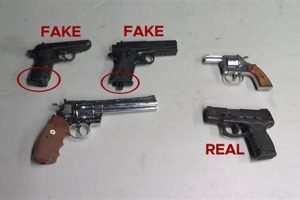
Realism is a defining characteristic in the domain of projectile-firing recreational devices. The degree to which these items mimic the appearance, weight, and operation of actual firearms directly influences their appeal and intended application. A higher degree of realism enhances the experience for users participating in military simulations or tactical training exercises, enabling more immersive and authentic scenarios. Conversely, an overemphasis on realism may lead to concerns regarding potential misidentification by law enforcement or the general public, potentially resulting in dangerous situations. Therefore, a balance must be achieved.
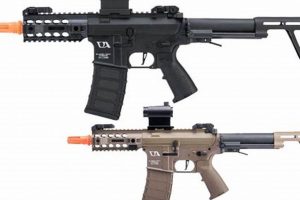
The practical significance of realism extends beyond mere aesthetics. The closer a recreational device mirrors its real-world counterpart, the more effectively it can be utilized for training in areas such as weapon handling, target acquisition, and tactical maneuvering. Law enforcement agencies, for instance, may employ highly realistic models for force-on-force training, enabling officers to develop and refine their skills in a safe and controlled environment. The level of detail impacts the operational mechanics, with some models featuring functioning bolt catches, magazine releases, and recoil mechanisms, further enhancing the training value. A prime example is the use of simulated M4 carbines with realistic blowback actions in military training simulations.
Achieving an appropriate level of realism in these devices presents a continuous challenge. Manufacturers must strive to create products that are visually distinct from actual firearms to minimize the risk of confusion while still providing a realistic experience for users. Striking this balance is crucial for maintaining the recreational activity’s viability and ensuring responsible use. The ongoing discourse surrounding realism highlights the need for clear regulations, public awareness campaigns, and responsible manufacturing practices to mitigate potential risks associated with these items.
2. Materials

The selection of materials is a critical determinant of the performance, durability, and overall quality of these recreational devices. These materials directly impact functionality, longevity, and safety aspects. Understanding material properties is essential for informed purchasing decisions and responsible usage.
- Polymer Construction
Polymers, such as ABS plastic and nylon-reinforced polymers, are commonly employed in the construction of frames, receivers, and external components. Polymers offer cost-effectiveness, lightweight properties, and resistance to impacts. However, polymer components may exhibit lower durability and resistance to high-stress situations compared to metal alternatives. An example is the use of reinforced nylon polymer in the construction of M4-style receiver housings, balancing cost and weight.
- Metal Alloys
Metal alloys, including aluminum, steel, and zinc alloys, are utilized for critical components such as barrels, gearboxes, and internal mechanisms. Metal alloys provide increased strength, durability, and resistance to wear and tear. However, metal components can add significant weight and increase the overall cost of the device. Steel barrels are commonly used to ensure accuracy and longevity in high-performance models.
- Internal Components
The materials used in internal components directly influence performance. High-quality steel gears, for example, are essential for reliable operation in electric-powered models, while durable piston heads contribute to consistent compression in spring-powered devices. Material selection for these parts impacts reliability, efficiency, and lifespan. Using high-grade stainless steel spring guide for durability is a common practice.
- Surface Treatments and Coatings
Surface treatments and coatings enhance corrosion resistance and aesthetic appeal. Anodizing aluminum components improves their durability and provides a protective layer against oxidation. Coatings, such as Cerakote, offer enhanced scratch resistance and color options. These treatments extend the lifespan of the device and improve its overall appearance. For instance, a zinc alloy slide coated with Cerakote provides a durable and aesthetically pleasing finish.
The careful consideration of material selection and manufacturing processes is pivotal for producing high-quality projectile-firing recreational devices. The choice between polymer and metal components, along with the selection of internal mechanisms, determines the overall reliability, performance, and user experience. Manufacturers must prioritize materials that balance cost-effectiveness, durability, and safety to provide responsible products.
3. Mechanisms

The operational mechanisms of projectile-firing recreational devices are central to their functionality and performance. The type of mechanism employed dictates the method by which projectiles are propelled and directly influences factors such as firing rate, range, accuracy, and maintenance requirements. Understanding these mechanisms is crucial for both users and manufacturers to ensure safe, effective, and responsible operation. The primary mechanisms employed are spring-powered, electric-powered (AEG), and gas-powered, each exhibiting unique characteristics and applications. A spring mechanism is simple, manually cocked, and commonly found in entry-level models, while an AEG utilizes a battery-powered motor to drive a piston, offering higher rates of fire, and gas-powered systems use compressed gas (CO2 or green gas) for propulsion, delivering realistic recoil and higher power outputs. The performance is inextricably linked to the quality and design of its mechanism.
The interplay between mechanism and performance is evident in various real-world examples. Electric-powered models, for instance, are widely used in competitive sporting events due to their high rate of fire and consistent performance. The internal gearbox design, motor strength, and battery voltage significantly influence the AEG’s capability. A high-torque motor coupled with reinforced gears can withstand increased stress and provide faster trigger response. Conversely, a poorly designed or maintained mechanism can lead to malfunctions, reduced accuracy, and potential safety hazards. Spring-powered models demonstrate the importance of piston seal and spring strength in achieving consistent projectile velocity. Gas-powered devices, particularly those utilizing blowback systems, exemplify how the gas flow rate and valve design impact both projectile velocity and recoil simulation. Each type of mechanism offers different performance characteristics which can be considered before a replica airsoft gun is bought.
In conclusion, the mechanisms within projectile-firing recreational devices serve as the core element governing their function, performance, and overall user experience. A comprehensive understanding of these mechanisms, including their strengths, limitations, and maintenance requirements, is essential for informed decision-making and safe operation. Challenges remain in optimizing the efficiency, reliability, and realism of these mechanisms while adhering to safety regulations and ethical considerations. Continued advancements in material science and engineering contribute to the evolution of these devices, improving both their performance and responsible use. The mechanics of replica airsoft guns are a part of their overall worth.
4. Regulations
Legal stipulations governing projectile-firing recreational devices exhibit considerable variation across jurisdictions. This regulatory diversity necessitates thorough awareness and adherence to location-specific guidelines. Failure to comply with these regulations can result in legal repercussions, including fines, confiscation of the device, or even criminal charges. A direct correlation exists between the degree of regulatory enforcement and the responsible usage of these recreational items. Locations with stringent regulations often experience fewer incidents of misuse or accidental injury. The absence of clear regulations, conversely, can foster an environment of irresponsible behavior, leading to safety concerns and potential misidentification with actual firearms. An example is the difference in laws between the US and Europe, where the US often has fewer restrictions on ownership and use, compared to the stricter regulations commonly found across European countries. The importance of such regulations cannot be overstated.
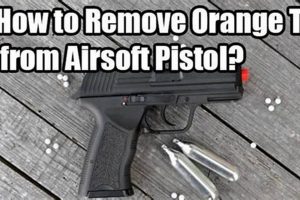
The practical significance of understanding regulations extends to several critical areas. Responsible retailers and manufacturers must ensure their products comply with applicable legal standards, including marking requirements, velocity limits, and age restrictions. Consumers, in turn, bear the responsibility of verifying the legality of owning and operating these devices in their specific locale. This includes understanding local ordinances pertaining to transportation, storage, and permissible usage areas. For instance, many municipalities prohibit the discharge of these devices in public parks or residential areas. Furthermore, regulations often dictate specific features, such as orange tip requirements to differentiate them from actual firearms. These mandates aim to minimize the risk of confusion and prevent potential confrontations with law enforcement or the public. This understanding impacts retailers, customers and law enforcement.
In summation, regulations are an indispensable component in the responsible ownership and operation of projectile-firing recreational devices. The challenges lie in navigating the complex and often inconsistent landscape of local, national, and international laws. Continual efforts are required to harmonize regulations, promote public awareness, and enforce compliance. Only through a collective commitment to regulatory adherence can the safety and legitimacy of this recreational activity be maintained. A continued, constant understanding of changes in the laws and regulations is of vital importance.
5. Safety
Safety is an indispensable component of responsible engagement with projectile-firing recreational devices. The inherent potential for injury necessitates stringent adherence to established safety protocols. Lack of appropriate safety measures directly increases the risk of eye injuries, facial trauma, and other preventable harm. Real-world incidents underscore the critical importance of protective gear. The failure to use approved eyewear has resulted in severe eye damage. Therefore, prioritizing safety is not merely a recommendation but a fundamental requirement for participation.
The practical application of safety principles extends beyond individual users to encompass manufacturers, retailers, and event organizers. Manufacturers must design devices with inherent safety features, such as functioning safety mechanisms and clear markings. Retailers bear the responsibility of educating consumers on safe handling practices and recommending appropriate protective equipment. Event organizers are tasked with implementing comprehensive safety rules and enforcing compliance during organized activities. Safety measures such as velocity limits, mandatory eyewear policies, and designated safe zones mitigate risks. An example is the imposition of velocity limits at organized events to reduce the potential for injury upon impact. The practical applications are broad.
The connection between safety and these recreational devices is inextricable. The challenges lie in consistently promoting a culture of safety across all facets of the activity. This requires ongoing education, rigorous enforcement of safety regulations, and a collective commitment to responsible practices. Addressing these challenges ensures the continued viability and responsible engagement with these recreational items. A focus on safety protects all parties involved.
6. Upgrades
Modifications represent a significant aspect within the domain of projectile-firing recreational devices. These alterations, often undertaken to enhance performance, aesthetics, or operational characteristics, warrant careful consideration due to their potential impact on safety, legality, and reliability. The pursuit of upgrades necessitates a thorough understanding of the device’s internal mechanics and applicable regulations.
- Performance Enhancements
Upgrades aimed at performance enhancement typically focus on increasing firing range, accuracy, and rate of fire. Examples include replacing internal components such as motors, gears, and barrels with higher-quality alternatives. A common modification involves installing a tightbore barrel to improve accuracy and projectile velocity. Enhanced performance modifications must comply with legal velocity limits to ensure safety and avoid regulatory violations.
- Cosmetic Modifications
Cosmetic modifications alter the appearance of the device without necessarily affecting its performance. These modifications may include changing the stock, grip, or outer barrel to achieve a desired aesthetic. Applying camouflage paint or installing tactical accessories can also be considered a cosmetic upgrade. The aesthetic changes should not obscure required markings or create confusion with actual firearms.
- Internal Component Replacements
Replacing worn or damaged internal components is a common upgrade strategy. Internal parts subject to wear and tear, such as pistons, springs, and hop-up units, can be upgraded with more durable alternatives. Reinforced gears, for example, enhance the reliability and longevity of electric-powered devices. Upgrading internal components requires specialized knowledge and tools to avoid causing damage or malfunction.
- Gas System Modifications
For gas-powered devices, modifications may involve adjusting the gas flow rate or replacing valves to improve performance and consistency. Installing a high-flow valve can increase projectile velocity and gas efficiency. Gas system modifications require careful attention to ensure proper sealing and pressure regulation. Improper modifications can result in gas leaks or unsafe operating conditions.
The implementation of modifications should be approached with caution and expertise. While upgrades offer the potential to enhance the performance and aesthetics of these devices, they also introduce potential risks. Ensuring compliance with regulations, prioritizing safety, and seeking guidance from experienced technicians are essential for responsible modification practices. Upgrades remain a focal point of interest for many users seeking to personalize and optimize their recreational devices.
Frequently Asked Questions About Projectile-Firing Recreational Devices
The following addresses common inquiries regarding projectile-firing recreational devices. It aims to provide clear, concise information to promote responsible ownership and usage.
Question 1: What constitutes a Projectile-Firing Recreational Device?
It refers to non-lethal devices designed to fire plastic projectiles. These devices replicate the appearance and operation of actual firearms and are utilized in sporting events and training exercises.
Question 2: Are Projectile-Firing Recreational Devices Considered Firearms?
Legal classification varies by jurisdiction. While these devices mimic the appearance of firearms, they are generally not subject to the same regulatory controls unless modified to exceed specified velocity limits.
Question 3: What Safety Precautions Should Be Observed?
Protective eyewear is mandatory. Facial protection, secure storage, and adherence to operational guidelines are essential. Use only in designated areas and under responsible supervision.
Question 4: Are Modifications Permissible?
Modifications are permissible within legal velocity limits. Alterations impacting safety, legality, or functionality are strongly discouraged. Modifications should only be performed by qualified individuals.
Question 5: Where Are Projectile-Firing Recreational Devices Permitted for Use?
Usage is restricted to designated areas, such as approved sporting fields or private property. Public spaces and areas where unintended targets may be present are strictly prohibited.
Question 6: What Legal Regulations Apply to Ownership and Operation?
Regulations vary significantly by jurisdiction. Owners and operators must familiarize themselves with local and national laws pertaining to ownership, transportation, and use. Compliance is paramount.
In summary, responsible ownership and operation of projectile-firing recreational devices necessitate adherence to safety guidelines, legal regulations, and ethical considerations. Diligence and awareness are key to mitigating potential risks.
The subsequent discussion explores the environmental impact and sustainable practices associated with these recreational devices.
Conclusion
This discussion has provided a comprehensive overview of replica airsoft guns, addressing key aspects such as realism, materials, mechanisms, regulations, safety, and modifications. Each element contributes to the multifaceted nature of these recreational devices, necessitating responsible engagement and informed decision-making. Adherence to safety protocols, compliance with legal guidelines, and a commitment to ethical practices are essential for ensuring the continued viability of this activity.
As technology advances and regulations evolve, ongoing vigilance and adaptation are critical. Individuals, manufacturers, and retailers must collectively prioritize safety, legality, and responsible behavior. The future trajectory of replica airsoft guns depends on a shared commitment to mitigating potential risks and promoting a culture of ethical engagement.