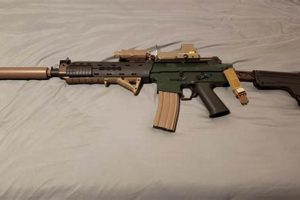
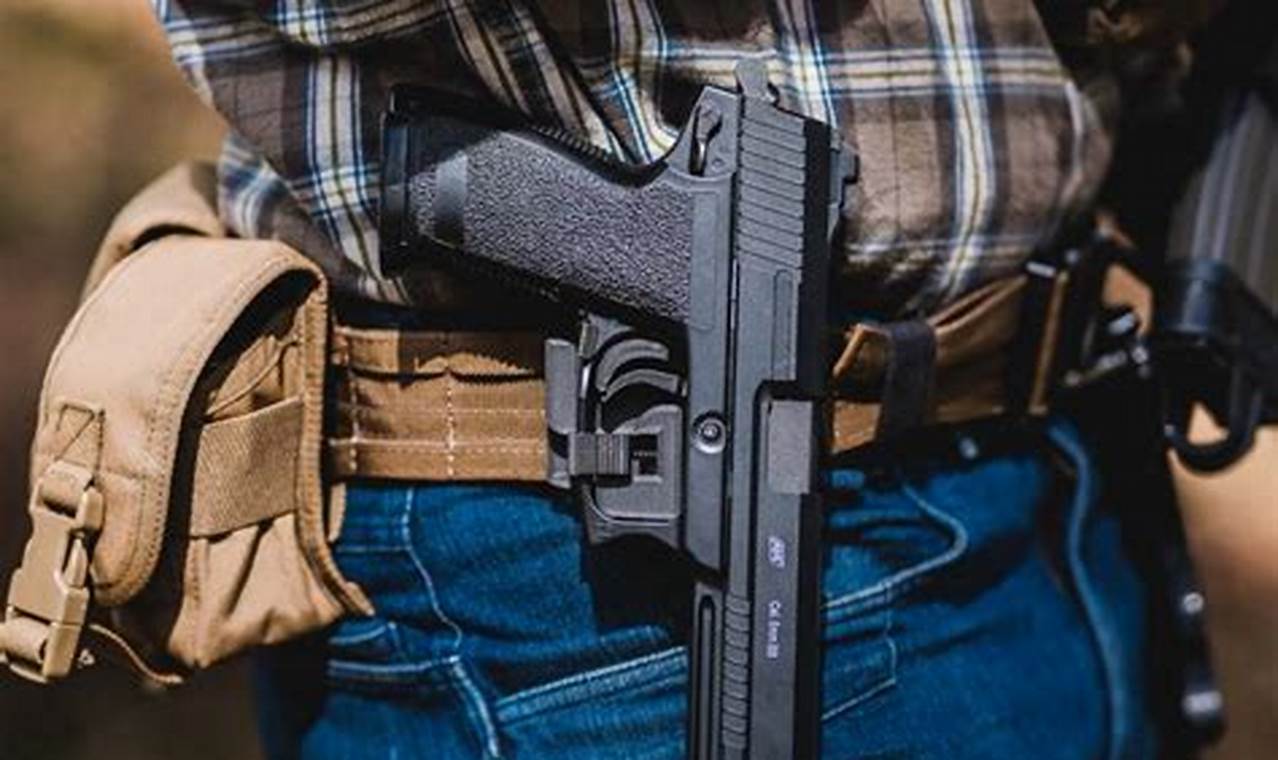
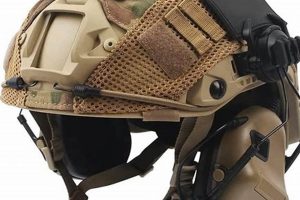
Garments specifically designed for the airsoft environment often incorporate features that enhance performance and survivability. These shirts typically blend durability, comfort, and functionality, allowing players to operate effectively during simulated combat scenarios. For instance, reinforced elbows and shoulders offer protection against abrasions, while breathable fabrics help regulate body temperature during intense physical activity.
The use of specialized apparel contributes significantly to a player’s overall experience. These garments provide a tactical advantage through features such as integrated pockets for carrying essential gear, camouflage patterns for concealment, and moisture-wicking properties to maintain comfort. The historical evolution of such garments reflects the increasing sophistication of airsoft as a recreational and training activity, borrowing design elements from military and law enforcement applications.
The subsequent sections will delve into the specific characteristics, materials, design considerations, and purchasing factors relevant to selecting high-quality airsoft apparel. Focus will be placed on how these elements contribute to optimizing player performance and ensuring a positive and safe airsoft experience.
Tips for Selecting Appropriate Airsoft Apparel
The selection of airsoft apparel necessitates careful consideration of factors influencing comfort, durability, and performance within simulated combat environments. The following guidelines offer insights into making informed purchasing decisions.
Tip 1: Prioritize Material Durability. The fabrics used in such garments should withstand abrasion, tearing, and repeated use. Look for materials like ripstop nylon or reinforced cotton blends known for their resilience.
Tip 2: Assess Breathability and Moisture-Wicking Properties. Intense physical activity during airsoft necessitates effective moisture management. Fabrics with inherent breathability and moisture-wicking capabilities enhance comfort and prevent overheating.
Tip 3: Evaluate Camouflage Effectiveness. The choice of camouflage pattern should align with the primary environment in which airsoft games will be played. Consider patterns designed for woodland, urban, or desert terrains to maximize concealment.
Tip 4: Consider Integrated Storage Options. Integrated pockets and attachment points provide convenient storage for essential gear, such as magazines, communication devices, and medical supplies. Evaluate the quantity, size, and placement of these features.
Tip 5: Examine Reinforcement Features. Areas prone to wear and tear, such as elbows, shoulders, and cuffs, should feature reinforcement. Reinforced padding or additional fabric layers enhance durability and protection.
Tip 6: Verify Fit and Mobility. The garment’s fit should allow for a full range of motion without restriction. Articulated designs or stretch panels enhance mobility and comfort during dynamic movements.
Tip 7: Check for Adjustability. Adjustable cuffs, collars, and waistbands provide a customizable fit, accommodating various body types and layering options. These features enhance comfort and functionality.
Adhering to these guidelines will aid in selecting apparel that enhances performance, comfort, and safety during airsoft activities, thereby contributing to a more positive and immersive experience.
The subsequent section will provide a detailed comparison of available brands and models, assisting in the final decision-making process.
1. Durability

The inherent stresses of airsoft necessitate that apparel withstand significant wear and tear. The durability of specialized apparel directly impacts its longevity, functionality, and the protection afforded to the wearer.
- Fabric Composition and Weave Density
The type of fabric used, along with its weave density, directly determines a garment’s resistance to abrasion and tearing. High-denier nylon and tightly woven cotton blends offer superior durability compared to lighter, less dense materials. The selection of appropriate materials and weaves is essential for preventing premature degradation during rigorous airsoft activities.
- Reinforcement of High-Stress Areas
Specific areas of the garment, such as elbows, shoulders, and knees, are subject to increased friction and impact. Reinforcing these areas with additional layers of fabric, specialized padding, or durable overlays significantly enhances their resistance to damage. Such reinforcement strategies extend the lifespan of the garment and protect the wearer from potential injuries.
- Seam Construction and Stitching Techniques
The method of seam construction and the type of stitching employed contribute significantly to the overall strength and durability of a garment. Reinforced seams, such as double-stitched or serged seams, minimize the risk of seam failure under stress. High-quality stitching techniques ensure that seams remain intact even during strenuous physical activity.
- Resistance to Environmental Factors
Airsoft often takes place in diverse environments, exposing apparel to various elements, including sunlight, moisture, and vegetation. Durable garments should exhibit resistance to fading, water damage, and snagging on branches or other obstacles. Treatments such as UV protection and water repellency further enhance durability in challenging environmental conditions.
The interplay of fabric choice, reinforcement, seam construction, and environmental resistance collectively defines the durability of apparel designed for airsoft. A focus on these factors ensures that garments provide long-lasting performance and protection, ultimately enhancing the player’s experience and safety.
2. Camouflage
The integration of camouflage patterns into specialized garments constitutes a critical element for players seeking to gain a tactical advantage within simulated combat environments. Camouflage, as a design principle, directly influences a player’s ability to effectively blend with the surrounding terrain, thereby reducing visibility to opposing forces. The specific camouflage pattern selected dictates the degree of concealment achieved, impacting maneuverability and overall survivability. For example, woodland patterns featuring green and brown tones are effective in forested environments, while arid patterns employing tan and beige hues are more suitable for desert terrains. Failure to select an appropriate camouflage pattern compromises concealment, potentially exposing a player’s position and limiting tactical options.
The effectiveness of camouflage extends beyond mere color selection. Disruptive patterns, incorporating irregular shapes and contrasting colors, serve to break up the wearer’s silhouette, further enhancing concealment. Furthermore, the material used in the garment’s construction influences camouflage performance. Fabrics with a matte finish reduce light reflection, minimizing visual detection. Real-world examples of successful camouflage implementation in military applications underscore the importance of this design element in airsoft apparel. Lessons learned from military camouflage research inform the development of effective patterns for airsoft scenarios, demonstrating a clear link between real-world tactics and simulated combat.
In summary, the purposeful selection and integration of camouflage patterns represent a fundamental aspect of specialized garments. Achieving optimal concealment requires a careful consideration of environmental factors, pattern design, and material properties. The strategic application of camouflage contributes directly to a player’s tactical effectiveness, enhancing maneuverability, survivability, and overall success within the airsoft environment. Understanding these principles is essential for maximizing the benefits derived from this critical design element.
3. Breathability
The physical demands of airsoft necessitate apparel with sufficient breathability. Perspiration, a natural consequence of exertion, can lead to discomfort and decreased performance if not effectively managed. Garments designed with breathable fabrics facilitate the evaporation of moisture, thereby maintaining a more stable core body temperature. Airsoft engagements often involve prolonged periods of intense activity, making breathability a critical factor in preventing overheating and maintaining focus. Insufficient breathability, conversely, can result in heat stress and reduced cognitive function, impacting a player’s ability to react effectively during simulated combat scenarios. For example, the selection of materials like moisture-wicking synthetics or open-weave cotton blends directly influences the garment’s capacity to regulate temperature and manage perspiration.
The practical significance of breathability extends to the prevention of skin irritation and bacterial growth. Trapped moisture creates a favorable environment for microbial proliferation, increasing the risk of skin infections and discomfort. Breathable garments promote air circulation, reducing the humidity levels within the clothing microclimate and minimizing the likelihood of such complications. The choice of breathable fabrics also allows for greater comfort during varying weather conditions. Whether exposed to direct sunlight or operating in humid environments, apparel with effective breathability contributes to a more comfortable and sustainable level of performance. The integration of mesh panels in strategic locations further enhances airflow and ventilation.
In conclusion, breathability is an essential component of airsoft apparel, directly impacting comfort, performance, and overall player well-being. Choosing garments constructed from breathable materials and incorporating ventilation features is crucial for mitigating the negative effects of perspiration and maintaining optimal physical condition during airsoft activities. While other factors such as durability and camouflage remain important, breathability represents a foundational element in the design and selection of effective airsoft attire.
4. Mobility

Freedom of movement is a paramount consideration in the design and selection of specialized airsoft apparel. Restricted mobility can significantly impede a player’s ability to effectively engage in dynamic maneuvers, negatively impacting both performance and safety. Garments must facilitate a full range of motion without hindering agility or responsiveness. The subsequent sections will explore specific facets of mobility in relation to airsoft attire.
- Articulated Design
Articulated design features, such as pre-shaped elbows and knees, enhance the natural range of motion. This design approach minimizes fabric bunching and resistance during dynamic movements, allowing for greater freedom of action. Garments lacking articulation can restrict movement, increasing fatigue and reducing tactical effectiveness. For example, a shirt with articulated elbows allows a player to maintain a stable firing position while prone without undue strain.
- Stretch Fabrics
The incorporation of stretch fabrics into key areas of a garment, such as the back and shoulders, provides increased flexibility and comfort. These fabrics allow for unrestricted movement during activities such as climbing, crawling, and sprinting. Non-stretch materials can limit range of motion, potentially hindering a player’s ability to navigate challenging terrain or react quickly to changing situations. Shirts incorporating stretch panels in the shoulder area facilitate unencumbered arm movement when aiming or maneuvering.
- Proper Fit and Sizing
An appropriate fit is essential for maximizing mobility. Garments that are too tight can restrict movement and cause discomfort, while those that are too loose can snag on obstacles or impede agility. Accurate sizing and adjustable features, such as waistbands and cuffs, allow for a customized fit that optimizes mobility. Ill-fitting apparel can negatively impact a player’s balance and coordination, increasing the risk of injury. A shirt that fits snugly but allows for a full range of arm movement provides the necessary balance between comfort and functionality.
- Lightweight Construction
The weight of a garment can influence a player’s overall mobility and endurance. Lightweight materials reduce fatigue and allow for greater agility during extended periods of activity. Heavy, bulky apparel can impede movement and contribute to overheating, negatively impacting performance. The choice of lightweight fabrics, such as ripstop nylon or performance blends, minimizes the burden on the wearer, enhancing overall mobility and stamina. A lightweight shirt allows a player to move quickly and efficiently without being weighed down by unnecessary bulk.
These facets of mobility are interconnected and contribute collectively to the overall effectiveness of airsoft apparel. Prioritizing articulated design, stretch fabrics, proper fit, and lightweight construction ensures that garments enhance rather than hinder a player’s performance, safety, and enjoyment of the activity. The integration of these features allows players to move freely and confidently, maximizing their tactical potential within the airsoft environment.
5. Storage

The integration of storage solutions into airsoft apparel represents a critical design consideration, directly impacting a player’s operational effectiveness and tactical readiness. The capacity to securely and conveniently carry essential gear is paramount in simulated combat scenarios, where rapid access to magazines, communication devices, and medical supplies can significantly influence the outcome of an engagement. For example, airsoft shirts featuring strategically placed pockets allow players to quickly reload their weapons or administer first aid without disrupting their tactical positioning. Insufficient storage capacity or poorly designed pocket layouts can hinder access to critical equipment, potentially compromising a player’s safety and effectiveness.
The placement, size, and closure mechanisms of integrated storage elements significantly affect their functionality. Chest pockets, commonly found on tactical shirts, provide convenient access to essential items, while sleeve pockets offer discreet storage for smaller tools or communication devices. Secure closures, such as zippers or hook-and-loop fasteners, prevent equipment from falling out during dynamic movements. The choice of storage solutions must align with the specific needs of the player and the demands of the airsoft environment. Load-bearing shirts, equipped with numerous pockets and attachment points, enable players to carry a comprehensive array of gear, while minimalist designs prioritize agility and comfort.
In summary, the integration of storage into airsoft apparel constitutes a fundamental element of tactical design. Secure and convenient storage solutions enhance a player’s operational effectiveness, allowing for rapid access to essential gear and minimizing disruption during critical moments. Careful consideration of pocket placement, size, closure mechanisms, and overall load-bearing capacity is essential for selecting shirts that effectively support a player’s tactical objectives. While other factors such as camouflage and breathability remain important, storage represents a key determinant of a garment’s practical utility in the airsoft environment.
6. Reinforcement

The incorporation of reinforcement strategies into the design of tactical shirts serves to mitigate wear and tear, thereby extending the lifespan and enhancing the functional integrity of the garment. Reinforcement directly addresses the vulnerability of specific areas to abrasion, impact, and stress, ensuring that the shirt can withstand the demands of rigorous airsoft activities.
- Elbow and Forearm Reinforcement
These areas are frequently subjected to friction and impact during prone positioning and movement through varied terrain. Reinforcement with additional layers of durable fabric, such as Cordura nylon, or integrated padding provides enhanced protection against abrasion and potential injury. Military-grade shirts, for instance, often incorporate reinforced elbows to withstand the rigors of combat operations. This design element translates directly to improved durability and player safety in airsoft scenarios.
- Shoulder Reinforcement
Shoulder reinforcement serves to mitigate wear caused by the carrying of equipment, such as slings or vests, which can create friction and stress on the fabric. Reinforcement in this area typically involves the addition of durable overlays or strategically placed padding to distribute weight and prevent fabric degradation. The integration of shoulder reinforcement is analogous to the load-bearing design principles employed in backpacks and other load-carrying systems, ensuring long-term comfort and durability.
- Seam Reinforcement
Seams represent critical points of vulnerability in any garment. Reinforcing seams through the use of double or triple stitching, as well as the application of durable binding tape, strengthens these areas and prevents seam failure under stress. Reinforced seams are particularly important in areas subject to high tension, such as the shoulders, sleeves, and side panels. The use of robust stitching techniques is a hallmark of high-quality tactical apparel, ensuring structural integrity and preventing premature wear.
- Abrasion-Resistant Fabrics
The selection of abrasion-resistant fabrics is fundamental to the overall durability of tactical shirts. Fabrics such as ripstop nylon or tightly woven cotton blends offer superior resistance to abrasion compared to lighter, less durable materials. These fabrics are engineered to withstand friction and tearing, extending the lifespan of the garment and minimizing the risk of damage during airsoft activities. The incorporation of abrasion-resistant fabrics is a proactive approach to reinforcement, ensuring that the shirt can withstand the challenges of the airsoft environment.
These reinforcement strategies collectively contribute to the overall resilience and longevity of tactical shirts. By addressing specific areas of vulnerability and employing durable materials and construction techniques, manufacturers can create garments that withstand the demands of rigorous airsoft activities, ensuring player comfort, safety, and sustained performance. The effective implementation of reinforcement principles is a key differentiator between high-quality and substandard airsoft apparel.
7. Adjustability
Adjustability is a critical design element in specialized shirts, directly influencing both comfort and performance in the dynamic airsoft environment. This feature allows players to customize the fit of the garment to accommodate varying body types, layering needs, and environmental conditions. The absence of adjustability can lead to discomfort, restricted movement, and reduced tactical effectiveness. For example, adjustable cuffs enable players to secure the sleeves around their wrists, preventing snagging on equipment or vegetation, while an adjustable collar allows for ventilation control in diverse climates. This adaptability is paramount, given the spectrum of physical activities and external factors encountered during gameplay.
The practical significance of adjustability extends to the optimization of layering systems. An adjustable waistband, for instance, enables a player to comfortably accommodate additional layers of clothing in colder weather, ensuring thermal regulation without sacrificing freedom of movement. Similarly, adjustable shoulder straps or side panels can fine-tune the fit of the shirt when worn under load-bearing equipment, such as vests or plate carriers. This capability is essential for maintaining a secure and comfortable interface between the shirt and other gear, minimizing chafing and pressure points. Furthermore, adjustable features allow for personalized fit modifications based on individual preferences, leading to improved overall comfort and satisfaction.
In conclusion, adjustability in airsoft shirts is not merely a cosmetic attribute but a functional necessity that directly impacts player performance and well-being. While achieving a perfectly tailored fit is often unattainable, the presence of adjustable features provides a degree of customization that significantly enhances comfort, tactical effectiveness, and adaptability to varying conditions. The challenge lies in balancing adjustability with other design considerations, such as durability and weight, to create shirts that offer optimal performance without compromising essential attributes. Ultimately, adjustability serves as a key differentiator in the market, appealing to discerning players who prioritize comfort and functionality.
Frequently Asked Questions
The following questions address common inquiries and concerns regarding specialized garments designed for airsoft activities. The information provided aims to clarify the key features, benefits, and considerations associated with selecting appropriate tactical shirts.
Question 1: What distinguishes an “airsoft tactical shirt” from a standard shirt?
Tactical shirts designed for airsoft incorporate features not typically found in standard shirts. These include reinforced construction, integrated pockets for gear storage, breathable fabrics, and camouflage patterns optimized for various environments. The primary objective is to enhance performance, comfort, and tactical effectiveness during simulated combat scenarios.
Question 2: Are specialized shirts necessary for airsoft, or can standard apparel suffice?
While standard apparel can be worn, specialized shirts offer significant advantages. The enhanced durability, storage capacity, and camouflage capabilities of tactical shirts provide a tangible benefit in terms of player protection, gear management, and tactical concealment. The degree of necessity depends on individual preferences and the intensity of gameplay.
Question 3: How does the camouflage pattern on a tactical shirt contribute to gameplay?
Camouflage patterns are designed to minimize visual detection by blending the wearer with the surrounding environment. The effectiveness of a camouflage pattern is contingent upon its suitability for the specific terrain in which airsoft games are conducted. Correctly selected patterns reduce visibility and enhance tactical maneuverability.
Question 4: What materials are commonly used in the construction of tactical shirts, and what are their respective benefits?
Common materials include ripstop nylon, cotton blends, and moisture-wicking synthetics. Ripstop nylon offers high durability and resistance to tearing. Cotton blends provide comfort and breathability. Moisture-wicking synthetics facilitate the evaporation of perspiration, maintaining comfort during intense physical activity. The selection of materials is a critical determinant of garment performance.
Question 5: How should a tactical shirt be properly sized and fitted to ensure optimal performance?
Proper sizing is essential for maximizing comfort and freedom of movement. The shirt should fit snugly without restricting range of motion. Adjustable features, such as cuffs and waistbands, allow for a customized fit. Consult sizing charts provided by manufacturers to determine the appropriate size based on individual measurements.
Question 6: What are the key maintenance requirements for tactical shirts to ensure longevity?
Maintenance requirements vary depending on the materials used in construction. Generally, tactical shirts should be machine washed in cold water and dried on a low setting. Avoid the use of harsh detergents or bleach, which can degrade the fabric and diminish camouflage effectiveness. Regular inspection and repair of any damage will further extend the lifespan of the garment.
These FAQs provide a foundational understanding of tactical shirts. Selecting appropriate garments based on these considerations will contribute to an enhanced and safer airsoft experience.
The subsequent section will offer detailed product reviews and comparisons to aid in the final purchasing decision.
Conclusion
This exploration has illuminated the critical attributes of an airsoft tactical shirt, detailing its significance beyond mere apparel. From durability and camouflage to breathability, mobility, storage, reinforcement, and adjustability, each facet contributes to the user’s performance and survivability in simulated combat. Informed selection requires careful consideration of these interrelated elements, ensuring the chosen garment aligns with individual needs and operational environments.
The value of a properly selected airsoft tactical shirt extends beyond immediate gameplay. Investment in quality tactical apparel demonstrates a commitment to safety, preparedness, and enhanced performance. Continued advancements in fabric technology and design will undoubtedly further refine these garments, underscoring their importance within the airsoft community and solidifying their role as essential gear for serious participants.