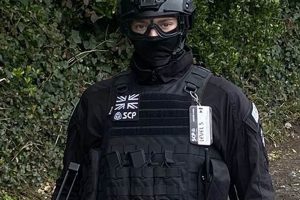
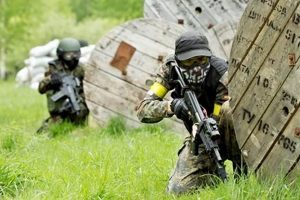
Battle Dress Uniforms utilized in the context of simulated combat activities are commonly referred to as such. These garments, often designed to resemble military attire, serve to enhance the realism and immersion of the gameplay experience. For example, a team participating in a scenario requiring woodland camouflage might choose to wear appropriate camouflage tops and bottoms.
The use of these specialized outfits provides advantages such as increased team cohesion, improved player identification, and a more authentic representation of tactical environments. Historically, the adoption of military-style clothing in this hobby stems from a desire to emulate real-world operations and strategies, fostering a more engaging and challenging form of recreational activity.
Understanding the different types of camouflage patterns, the features that contribute to functionality and durability, and the regulations that govern their use in specific contexts are critical to making informed decisions. Subsequent sections will delve into these aspects, providing detailed information regarding material selection, design considerations, and legal implications.
Essential Considerations for Selecting Appropriate Apparel for Simulated Combat Activities
Choosing the right battle dress uniforms significantly impacts performance, comfort, and safety during simulated combat engagements. Careful consideration of several key factors is essential.
Tip 1: Prioritize Camouflage Effectiveness. Camouflage patterns should correspond to the operational environment. Woodland patterns are suitable for forested areas, while arid or desert patterns are preferable for open, sandy terrain. Effectiveness is contingent on blending with the surroundings.
Tip 2: Assess Material Durability and Comfort. Materials such as ripstop nylon or cotton blends offer a balance of durability and breathability. Reinforcements in high-wear areas, such as knees and elbows, enhance longevity. Comfort is crucial for extended gameplay.
Tip 3: Evaluate Fit and Mobility. Uniforms should allow for a full range of motion without restriction. Articulated knees and gusseted crotches contribute to improved mobility. Consider sizing options to ensure a comfortable and functional fit.
Tip 4: Consider the Presence of Functional Pockets. Multiple pockets, located strategically throughout the uniform, provide storage for essential gear such as magazines, radios, and navigation tools. Pocket placement should not impede movement.
Tip 5: Inspect Stitching and Construction Quality. Reinforced stitching and robust construction are indicative of a durable uniform that can withstand rigorous use. Pay particular attention to seams, closures, and attachment points.
Tip 6: Layering Capabilities. The selected garments should allow for layering based on weather conditions. This will enable the wearer to adjust to the temperature with ease, without sacrificing comfort.
Proper apparel selection maximizes tactical advantage, enhances comfort, and ensures the longevity of the gear. These considerations are pivotal for a successful and enjoyable experience.
The subsequent discussion will address specific uniform types and their suitability for different operational scenarios.
1. Camouflage pattern efficacy

Camouflage pattern efficacy is intrinsically linked to the utility of Battle Dress Uniforms in simulated combat scenarios. The primary function of such attire is concealment, and the effectiveness of the camouflage pattern directly dictates the degree to which a player can successfully blend into their surroundings. A woodland pattern worn in a desert environment, for example, provides minimal concealment and significantly reduces a player’s tactical advantage. Conversely, appropriate camouflage enhances a player’s ability to remain undetected, facilitating strategic movement, ambush tactics, and overall mission success. The selection of an inadequate camouflage pattern can render a player more visible, increasing their vulnerability and undermining their operational effectiveness. Therefore, the efficacy of the camouflage is a cornerstone element in the functionality and value of these uniforms.
Real-world military applications demonstrate the critical importance of camouflage efficacy. Consider the adoption of MultiCam, a versatile camouflage pattern designed to perform effectively across a wide range of environments. Its widespread use highlights the demand for adaptable camouflage solutions. Specific examples include military operators tailoring their uniforms to match environments to maintain covertness while increasing mission effectiveness. Similarly, simulated combat practitioners often invest in multiple uniform sets, each tailored to specific field types. The pattern selected for a dense forest will differ significantly from that used in an urban or open-field environment. The investment in such specialized clothing underscores the recognition of the performance advantage it provides.
In conclusion, camouflage pattern efficacy represents a core component of the overall utility and effectiveness of such clothing. It dictates the degree of concealment achievable, directly impacting a player’s ability to perform successfully. Understanding and prioritizing appropriate pattern selection constitutes a fundamental aspect of strategic preparation and tactical execution in simulated combat activities. While pattern effectiveness is important, challenges remain in accounting for dynamic lighting conditions and mixed terrains. Continuous evaluation and adaptation of camouflage strategies are necessary to maintain a competitive edge and maximize operational success.
2. Material durability
Material durability constitutes a crucial aspect of Battle Dress Uniforms employed in simulated combat. The inherent demands of such activities necessitate robust fabrics capable of withstanding significant stress and abrasion. Premature failure of the uniform compromises player protection and overall performance. The selection of durable materials directly influences the longevity and cost-effectiveness of the gear. Ripstop nylon and reinforced cotton blends are common choices due to their resistance to tearing and abrasion, essential attributes in rugged environments.
Consider the scenario of a player navigating dense woodland. Branches, underbrush, and uneven terrain place constant strain on the fabric. Inferior materials are prone to snags, tears, and seam failures, rendering the uniform ineffective and potentially hazardous. Conversely, a durable fabric withstands these challenges, maintaining its structural integrity and providing consistent protection. The practical significance of this attribute extends beyond immediate gameplay. Frequent replacement of damaged uniforms represents a recurring expense and a logistical burden. Investing in high-quality, durable materials minimizes these issues, resulting in long-term cost savings and improved operational efficiency.
In summary, material durability directly impacts the performance, longevity, and cost-effectiveness of Battle Dress Uniforms used in simulated combat activities. Selection of appropriate fabrics, such as ripstop nylon and reinforced cotton blends, is paramount to ensuring the uniform can withstand the rigors of the environment. Understanding the implications of material choice represents a critical element in optimizing both player safety and resource allocation. Continued research into advanced materials and construction techniques promises further improvements in uniform durability, enhancing the overall experience for participants.
3. Comfort and fit

The concepts of comfort and fit are intrinsically linked to the effective utilization of battle dress uniforms in simulated combat. Improper fit and inadequate comfort levels can significantly impede a player’s performance, endurance, and overall engagement in such activities. The subsequent analysis explores specific facets of this relationship.
- Range of Motion and Mobility
A well-fitted uniform facilitates a full range of motion without restriction. Articulated knees, gusseted crotches, and appropriately sized sleeves are crucial for unrestricted movement during tactical maneuvers. Restrictions caused by ill-fitting attire can hinder agility and potentially increase the risk of injury. Real-world examples include operators requiring the freedom to climb, crawl, and sprint without impediment. An example is tight-fitting clothing restricting squatting or crouching.
- Temperature Regulation and Breathability
Comfort is heavily influenced by the material’s ability to regulate body temperature and manage moisture. Breathable fabrics, such as cotton blends or moisture-wicking synthetics, prevent overheating and reduce discomfort caused by perspiration. Inadequate ventilation can lead to heat exhaustion and decreased performance, especially in hot or humid environments. As an instance, in the field environment clothing can be too hot during summer, or too cold during winter.
- Weight Distribution and Load Carriage
The fit of the uniform influences how weight is distributed, particularly when carrying equipment. A well-designed uniform integrates with load-bearing equipment, such as vests and belts, minimizing pressure points and optimizing weight distribution. Poor fit can lead to uneven weight distribution, causing discomfort, fatigue, and potential strain injuries. An example is poorly fitted uniforms can cause load-bearing vests to chafe or dig into the wearer’s shoulders.
- Contact Points and Friction Reduction
Comfort is also determined by minimizing friction against the skin. Seam placement, fabric texture, and the presence of chafing points significantly impact comfort during prolonged activity. Properly designed uniforms incorporate features to reduce friction, such as flat seams and padded areas. Ill-fitting uniforms are more likely to cause chafing, blistering, and skin irritation, hindering player comfort and endurance. An instance would be areas like the neck, armpits, and inner thighs, causing issues with fit.
In conclusion, comfort and fit are not merely aesthetic considerations but fundamental aspects of battle dress uniforms. A well-fitted and comfortable uniform enhances performance, reduces fatigue, and minimizes the risk of injury, thereby contributing to a more immersive and effective experience. The specific design features and material choices directly impact these factors, necessitating careful attention to both comfort and fit during uniform selection for simulated combat.
4. Pocket functionality
Pocket functionality is a critical design element of battle dress uniforms used in simulated combat, directly impacting a participant’s tactical effectiveness and operational efficiency. The integration of well-placed, appropriately sized, and securely fastened pockets enables the safe and accessible carriage of essential gear. Without adequate pocket functionality, players are forced to rely on external load-bearing equipment or cumbersome carrying methods, increasing physical strain and reducing responsiveness. The presence, type, and arrangement of pockets directly influence a player’s ability to quickly access magazines, communication devices, navigation tools, and other vital equipment during gameplay scenarios. Real-world examples include chest pockets designed for immediate access to magazines during a firefight, or large cargo pockets for carrying grenades or medical supplies.
Further analysis reveals that the practical applications of strategically designed pockets extend beyond mere storage. Consider the specific requirements of different gameplay roles; a sniper might require specialized pockets for holding spare ammunition and rangefinders, while a medic might need pockets capable of accommodating bandages, tourniquets, and diagnostic equipment. Similarly, the closure mechanism of the pockets is a crucial consideration. Secure button closures prevent accidental loss of equipment during vigorous activity, while hook-and-loop closures allow for rapid access but may generate noise. The materials used in pocket construction also contribute to functionality; reinforced fabrics prevent tearing under heavy loads, and water-resistant linings protect sensitive equipment from moisture damage.
In conclusion, pocket functionality represents a fundamental component of battle dress uniforms utilized in simulated combat. Effective pocket design directly enhances a player’s tactical capabilities, operational efficiency, and overall performance. Neglecting this aspect of uniform design can result in diminished performance and increased risk. Addressing design challenges, such as balancing pocket size with freedom of movement and minimizing noise during access, is essential for optimizing the overall utility of battle dress uniforms in this context.
5. Stitching robustness
Stitching robustness is a critical factor influencing the performance and longevity of Battle Dress Uniforms used in simulated combat activities. The rigorous nature of these activities places significant stress on the garment’s seams, potentially leading to failure if the stitching is inadequate. Robust stitching directly contributes to the uniform’s ability to withstand tearing, abrasion, and repeated stress, ensuring its continued functionality throughout extended gameplay. The absence of robust stitching compromises the uniform’s structural integrity, potentially exposing the wearer to injury and rendering the garment unusable. Real-world examples include reinforced stitching in high-stress areas, such as the knees, elbows, and seat, designed to prevent seam failure during demanding maneuvers.
Further examination reveals that stitching techniques and thread quality significantly impact robustness. Double-stitched or triple-stitched seams provide increased strength compared to single-stitched seams, distributing stress over a wider area. The use of high-tenacity threads, such as nylon or polyester, enhances resistance to abrasion and tearing. Moreover, proper seam construction techniques, including back tacking and overlocking, prevent unraveling and ensure seam integrity. The practical significance of robust stitching is evident in the extended lifespan of high-quality uniforms, minimizing the need for frequent replacements and reducing overall costs. Specifically, bar tacking at pocket corners and stress points, using heavier weight thread such as bonded nylon or polyester, and employing surged edges for seam finishing increase the BDU’s resilience to wear and tear.
In conclusion, stitching robustness constitutes an essential component of Battle Dress Uniforms intended for simulated combat. It directly contributes to the uniform’s durability, functionality, and overall value. Neglecting this aspect of uniform construction can result in premature failure, increased costs, and potential safety hazards. Recognizing the importance of stitching techniques, thread quality, and seam construction is crucial for selecting and maintaining high-performance uniforms that can withstand the rigors of simulated combat activities. The continued innovation in stitching technology and seam construction offers opportunities to further enhance the robustness and longevity of these specialized garments.
6. Environment adaptation
The effectiveness of Battle Dress Uniforms in simulated combat scenarios is inextricably linked to environment adaptation. These specialized garments, commonly referred to by a specific term relating to simulated combat, are primarily designed to provide concealment. However, achieving optimal concealment requires a deliberate selection of camouflage patterns, materials, and design features that correspond directly with the environment in which the simulated combat is taking place. An inadequate selection can negate any potential advantage conferred by the uniform. For instance, employing a woodland camouflage pattern in a desert environment renders the wearer highly visible, undermining the primary purpose of the uniform. The selection of BDU for simulated combat must mirror the predominant environment.
Numerous examples demonstrate the critical importance of environment adaptation. Military units operating in diverse theaters of operation utilize a variety of camouflage patterns, each specifically designed to blend with the local vegetation, terrain, and lighting conditions. The adoption of MultiCam, a multi-environment camouflage pattern, underscores the necessity for adaptable solutions. Similarly, participants in simulated combat activities often maintain multiple sets of clothing, each tailored to specific field types. The materials utilized should reflect temperature considerations; breathable fabrics are suited to hot environments, while insulated materials provide protection in cold climates. The color and pattern designs should align with the environment, as darker tones will appear well suited to forested areas. This adaptation strategy requires investment in the form of purchase and labor to modify, but is integral.
In conclusion, environment adaptation represents a fundamental aspect of Battle Dress Uniform selection for simulated combat. Effective adaptation enhances concealment, improves player performance, and contributes to a more immersive experience. The challenges associated with environment adaptation, such as accurately assessing environmental conditions and selecting appropriate camouflage patterns, necessitate careful planning and attention to detail. The goal should be to seamlessly integrate participants into the existing landscape, contributing to safety, realism, and an enhanced experience. Future innovations in adaptable camouflage technology may further enhance the efficacy of this specialized apparel.
7. Team identification

Effective team identification is paramount in simulated combat environments, commonly characterized by the presence of specific attire. This identification facilitates clear differentiation between opposing factions, reducing the risk of friendly fire incidents and enhancing the overall strategic coherence of gameplay.
- Color-Coded Uniform Components
The utilization of distinct color schemes within uniform design provides a readily discernible visual cue for team affiliation. Examples include the adoption of solid-color sleeves, vests, or headwear that contrast sharply between teams. The implications for gameplay involve expedited target acquisition and reduced ambiguity in tactical decision-making.
- Armbands and Patches
Designated armbands or patches, displaying unique colors, symbols, or unit identifiers, offer a supplementary means of team differentiation. These can be particularly useful in environments with limited visibility or when participants are partially concealed by foliage. Military simulations frequently employ such identifiers to maintain order and prevent misidentification.
- Headgear Markings
Distinctive markings on helmets or other headgear, such as tape stripes or colored covers, provide a high-visibility means of team identification, particularly during dynamic engagements. The practical applications include rapid assessment of team composition and strategic positioning within complex tactical scenarios.
- Voice Communication Protocols
While not a visual identifier, the establishment of standardized voice communication protocols, incorporating team-specific call signs or code words, complements visual identification methods. Such protocols mitigate the risk of miscommunication and ensure coordinated action among team members, further clarifying the operational landscape.
The convergence of these facets underscores the critical role of team identification in maximizing the safety and strategic effectiveness of simulated combat. Integrating clearly defined and consistently applied identification methods into attire design is a crucial aspect of responsible gameplay, fostering a more organized and immersive simulated combat experience.
Frequently Asked Questions
This section addresses common inquiries regarding the selection, use, and maintenance of battle dress uniforms for simulated combat activities. The information presented aims to provide clarity and guidance on optimizing performance and safety.
Question 1: What constitutes an appropriate camouflage pattern for woodland engagements?
Effective woodland camouflage typically incorporates earth tones such as greens, browns, and tans, mimicking the colors and textures of forest environments. Patterns like Woodland, MultiCam, or MARPAT (Marine Pattern) are commonly employed to disrupt the wearer’s silhouette and enhance concealment.
Question 2: How does material selection impact the durability of garments used in simulated combat?
Durable materials such as ripstop nylon or cotton blends are essential for withstanding the rigors of simulated combat. These fabrics resist tearing and abrasion, extending the lifespan of the uniform. Reinforcements in high-wear areas, such as the knees and elbows, further enhance durability.
Question 3: What considerations should inform the selection of appropriately sized clothing for these activities?
Garments should allow for a full range of motion without restriction. Sizing should accommodate layering for varying weather conditions. Articulated knees and gusseted crotches contribute to improved mobility. A snug but not restrictive fit is recommended to avoid snagging on obstacles.
Question 4: What is the purpose of strategically placed pockets in these specialized uniforms?
Pockets provide storage for essential gear, such as magazines, radios, and navigation tools. Pocket placement should be strategic, enabling easy access without impeding movement. Secure closures, such as buttons or hook-and-loop fasteners, prevent accidental loss of equipment.
Question 5: Why is stitching robustness a crucial consideration in the selection of battle dress uniforms?
Robust stitching ensures the structural integrity of the uniform, preventing seam failures and tears during demanding activities. Double-stitched or triple-stitched seams provide increased strength. High-tenacity threads, such as nylon or polyester, enhance resistance to abrasion and tearing.
Question 6: How does environment adaptation influence the effectiveness of attire in simulated combat?
Effective environment adaptation requires the selection of camouflage patterns, materials, and design features that correspond directly with the operational environment. Matching camouflage patterns to the local terrain enhances concealment and improves player performance. Consideration of climate and weather conditions is vital.
Key takeaways from this section emphasize the importance of selecting appropriate camouflage patterns, durable materials, correctly sized apparel, functional pockets, robust stitching, and environment-specific adaptations to optimize performance and safety in simulated combat.
The subsequent section will discuss gear maintenance procedures.
Concluding Remarks on Battle Dress Uniforms for Simulated Combat
The preceding analysis has explored various facets of battle dress uniforms as they pertain to simulated combat. Key elements highlighted include the criticality of camouflage effectiveness, material durability, comfort, pocket functionality, stitching robustness, environment adaptation, and team identification. These factors collectively determine the overall performance and value of specialized garments designed for the demands of simulated tactical scenarios.
Ultimately, the responsible and informed selection of gear is paramount. Continued adherence to best practices in uniform maintenance, a commitment to ongoing skill development, and a thorough understanding of the interplay between apparel and environment are essential for maximizing the safety, realism, and strategic value of simulated combat activities.