This term refers to a recreational shooting sport involving realistic replica firearms that propel small, non-metallic pellets. Participants engage in simulated combat scenarios, often utilizing teamwork and tactical strategies to achieve objectives. These activities frequently occur on designated outdoor or indoor fields designed to mimic real-world environments.
The appeal of this pursuit lies in its combination of strategic thinking, physical activity, and social interaction. It provides a safe and controlled environment to experience simulated combat, promoting camaraderie and communication skills. Its origins can be traced back several decades, evolving from a training tool to a globally recognized leisure activity with dedicated communities and organized events.
Understanding the foundational aspects of this activity is crucial before delving into its various facets. Subsequent sections will explore the equipment involved, gameplay rules, safety protocols, and the broader culture surrounding this engaging pastime.
Airsoft
Engaging in this activity requires careful planning and adherence to safety guidelines. These considerations enhance the experience and minimize potential risks.
Tip 1: Prioritize Eye Protection: Comprehensive eye protection is non-negotiable. ANSI-rated goggles or a full-face mask are essential to prevent serious injury from projectile impact.
Tip 2: Understand Field Rules: Each airsoft field operates under specific regulations regarding velocity limits, engagement distances, and acceptable conduct. Familiarization with these rules is crucial.
Tip 3: Maintain Equipment Responsibly: Replica firearms should be stored securely when not in use, and regular maintenance is necessary to ensure optimal performance and longevity.
Tip 4: Practice Responsible Trigger Control: Treat every replica firearm as if it were loaded. Keep the finger off the trigger until ready to engage a target.
Tip 5: Communicate Effectively: Clear and concise communication with teammates is vital for successful coordination and strategic execution during gameplay.
Tip 6: Adhere to Velocity Limits: Chronographing replica firearms before each game is standard practice. Exceeding established velocity limits poses a safety risk to all participants.
Tip 7: Wear Appropriate Attire: Full-coverage clothing, including long sleeves and pants, is recommended to minimize skin exposure and potential discomfort from impacts.
These considerations contribute to a safer and more enjoyable airsoft experience. Diligent application of these guidelines promotes responsible participation within the community.
With these essential considerations in mind, the following sections will address advanced strategies and tactical approaches to enhance gameplay proficiency.
1. Replicated firearms

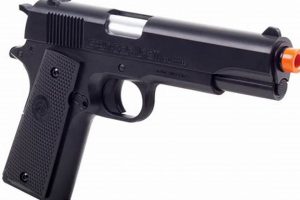
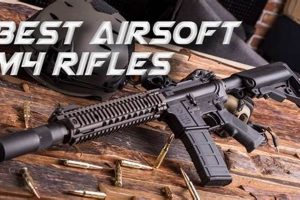
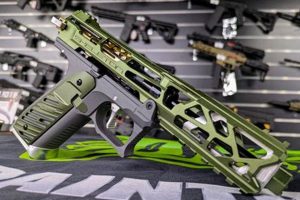
Replicated firearms are intrinsic to the nature of airsoft. The term “airsoft nedir” inherently implies the existence and use of these replicas. These devices, designed to mimic the appearance and handling of real firearms, serve as the primary instruments within this recreational activity. The realism afforded by these replicas contributes significantly to the immersive experience for participants. Without these replicated firearms, the core concept of simulated combat central to “airsoft nedir” would be fundamentally altered, shifting the focus away from tactical realism towards a purely abstract game. For example, the M4 replica, a common airsoft gun, allows users to simulate tactical scenarios mirroring real-world military maneuvers, further emphasizing this connection.
The functionality of replicated firearms directly impacts the gameplay and strategic considerations within airsoft. The range, accuracy, and rate of fire of these devices influence tactical choices and engagement strategies. Regulations governing the velocity (FPS – feet per second) of projectiles fired from these devices are crucial safety measures. For instance, fields often impose strict FPS limits to minimize the risk of injury during gameplay, showcasing the practical application of regulating these replicas. The types and classifications of these devices also create different roles and play styles. Spring-powered rifles, gas-powered pistols, and electric-powered automatic rifles all offer unique tactical advantages and limitations, influencing team composition and overall strategy.
In summary, replicated firearms are not merely accessories within airsoft; they are constitutive elements of the activity itself. They enable the core simulation of combat, influence tactical decisions, and are subject to strict regulations to ensure participant safety. Understanding the role and characteristics of these devices is crucial for a comprehensive understanding of the question “airsoft nedir.” The ongoing development and refinement of replica technology directly impact the evolution and appeal of airsoft as a recreational pursuit.
2. Non-metallic projectiles

The nature of projectiles utilized in airsoft is fundamentally intertwined with the question “airsoft nedir.” These projectiles, typically spherical and composed of plastic or biodegradable materials, directly define the safety parameters and gameplay dynamics of the activity. Their non-metallic composition is a critical factor differentiating airsoft from more dangerous projectile-based activities. The specific material and weight of these projectiles directly influence the kinetic energy imparted upon impact, necessitating strict velocity limitations imposed by airsoft fields to mitigate potential injury.
These projectiles dictate the range, accuracy, and overall effectiveness of the replicated firearms used in airsoft. Their aerodynamic properties impact flight trajectory and necessitate consideration of environmental factors, such as wind, during gameplay. Furthermore, the biodegradable options available contribute to the environmental sustainability of the activity, addressing concerns related to plastic waste. Field regulations often mandate the use of specific projectile types and weights to maintain a consistent and safe playing environment. The choice of projectile, therefore, directly impacts both the performance of the airsoft replica and the overall safety and environmental impact of the game.
In essence, non-metallic projectiles are not merely ammunition; they are a defining element of airsoft that shapes its safety protocols, gameplay mechanics, and environmental consciousness. Understanding the characteristics and regulations surrounding these projectiles is essential for comprehending “airsoft nedir” and participating responsibly in the sport. The continuous development of new and improved non-metallic projectile designs directly influences the evolution of airsoft and its appeal as a recreational activity.
3. Simulated combat
Simulated combat forms the core experiential component of the activity defined as “airsoft nedir”. The appeal of this activity stems significantly from the opportunity to engage in tactical scenarios mirroring real-world combat situations, albeit within a controlled and safe environment. This simulation involves the use of replica firearms, strategic maneuvering, and teamwork to achieve predetermined objectives, effectively recreating elements of military operations or law enforcement engagements without the inherent risks of actual armed conflict. The level of realism pursued within the simulated combat environment often dictates the complexity of the equipment used, the intensity of the physical exertion involved, and the degree of strategic planning required.
The practical application of simulated combat within airsoft extends beyond mere recreation. Many participants utilize this activity to develop and refine tactical skills, improve communication strategies, and foster teamwork capabilities. Law enforcement agencies and military units have, on occasion, employed airsoft scenarios as a supplemental training tool to enhance situational awareness and decision-making under pressure. The controlled environment allows for experimentation with different tactical approaches and the identification of weaknesses in existing strategies, providing valuable insights that can be applied in real-world scenarios. Furthermore, the simulated combat aspect of airsoft provides a means for individuals to experience the challenges and pressures associated with tactical operations without facing genuine danger.
In conclusion, simulated combat is not merely an ancillary feature of airsoft; it is the defining element that underpins the entire activity. It provides the foundation for tactical gameplay, fosters skill development, and allows for the exploration of strategic concepts within a safe and controlled setting. Understanding the importance of simulated combat as a core component of “airsoft nedir” is crucial for appreciating the unique appeal and potential benefits of this recreational pursuit.
4. Teamwork dynamics

Teamwork dynamics are integral to the operational effectiveness and strategic depth of airsoft. As a simulated combat activity, airsoft inherently necessitates coordinated action and collaborative decision-making amongst participants. The success of any team operating within an airsoft scenario is directly proportional to its ability to foster effective communication, shared understanding of objectives, and a cohesive execution of tactical plans.
- Communication and Coordination
Effective communication forms the bedrock of teamwork within airsoft. Accurate and timely dissemination of information regarding enemy positions, flanking maneuvers, and strategic objectives is crucial for coordinated action. Without clear communication channels, teams become fragmented and vulnerable, diminishing their overall effectiveness. Examples include relaying enemy troop movements, calling out flanking opportunities, or coordinating a synchronized advance. A teams ability to communicate effectively directly translates to its success or failure on the airsoft field.
- Role Specialization and Task Allocation
The optimal utilization of individual skills and strengths within a team context relies on role specialization and effective task allocation. Assigning specific roles to team members based on their expertise, such as designating a sniper, a grenadier, or a medic, maximizes the team’s overall capabilities. Furthermore, the delegation of specific tasks, such as securing a designated area or providing covering fire, ensures a coordinated and efficient execution of tactical objectives. For example, a player skilled in long-range engagements may be assigned the role of sniper, while another adept at close-quarters combat may be tasked with breaching and clearing objectives. This deliberate division of labor significantly enhances the team’s ability to adapt to diverse combat scenarios.
- Shared Leadership and Decision-Making
While a designated leader often exists within airsoft teams, effective teamwork also incorporates shared leadership and decentralized decision-making. Empowering team members to make autonomous decisions within the scope of their assigned roles promotes adaptability and responsiveness to rapidly changing combat situations. This requires a collective understanding of the overall strategic objectives and the ability to anticipate the needs of the team. For instance, a squad leader may delegate the responsibility of choosing the optimal route for an advance to a team member with superior knowledge of the terrain, fostering a collaborative decision-making process.
- Conflict Resolution and Team Cohesion
Disagreements and conflicts are inevitable within any team environment. Effective conflict resolution mechanisms are essential for maintaining team cohesion and preventing internal friction from undermining operational effectiveness. Open communication, active listening, and a willingness to compromise are crucial for resolving disputes and fostering a sense of shared purpose. Furthermore, a strong emphasis on mutual respect and understanding strengthens team bonds and promotes a more collaborative and productive environment. Addressing disagreements constructively ensures that the team remains united and focused on achieving its objectives.
These multifaceted aspects of teamwork dynamics are not simply desirable attributes within airsoft; they are fundamental requirements for success. The coordinated effort of a well-functioning team far outweighs the individual capabilities of its members. This emphasis on collaboration and strategic interaction reinforces the importance of teamwork dynamics as a defining characteristic of “airsoft nedir”, highlighting its potential as a platform for developing and honing valuable interpersonal skills.
5. Tactical strategies

Tactical strategies are inextricably linked to airsoft; the term itself implies a level of planning and execution beyond simple target practice. The adoption and implementation of coherent tactical strategies directly influence the outcome of airsoft engagements, transforming a simple recreational activity into a complex and engaging simulation of combat scenarios. The absence of such strategies reduces the activity to a chaotic free-for-all, negating the potential for skill development and strategic thinking. Tactical considerations encompass a wide range of elements, from map reconnaissance and terrain utilization to communication protocols and coordinated movement. For example, a team employing a flanking maneuver to outwit a numerically superior opponent demonstrates the practical application of strategic thinking within an airsoft setting. Therefore, a thorough understanding of tactical principles becomes essential for success in airsoft and its overall enjoyment.
The practical application of tactical strategies within airsoft extends beyond the immediate objective of “winning” a match. Participants learn to analyze the environment, assess risks, and make informed decisions under pressure, skills that are transferable to real-world situations. The development of effective communication protocols within a team context fosters leadership skills and enhances the ability to work collaboratively towards a common goal. Furthermore, the process of adapting existing tactical doctrines to the specific constraints and opportunities presented by an airsoft field cultivates critical thinking and problem-solving abilities. For instance, observing how a squad leader adjusts their plan of attack based on real-time feedback from team members illustrates the dynamic nature of tactical decision-making in airsoft. This adaptive mindset is invaluable in various professional and personal contexts.
In summary, tactical strategies are not merely optional enhancements to the airsoft experience; they are a fundamental component that shapes the activity’s character and potential benefits. Understanding the importance of tactical planning, communication, and adaptation transforms airsoft from a simple game into a dynamic and engaging simulation that fosters skill development, teamwork, and strategic thinking. The challenges inherent in formulating and executing effective tactical plans within a constantly evolving environment provide participants with a unique opportunity to hone their decision-making abilities and develop a deeper understanding of strategic principles. Therefore, tactical strategies are essential when exploring the meaning of the phrase, “airsoft nedir”.
6. Protective equipment
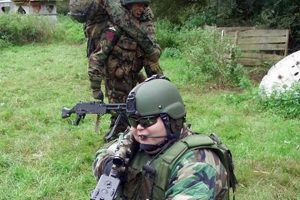
Protective equipment is an indispensable element directly related to airsoft. The simulated combat nature of this activity necessitates the use of specialized gear designed to mitigate potential injury from non-metallic projectile impacts. The presence and consistent utilization of such equipment are paramount to ensuring participant safety and maintaining a controlled environment.
- Eye Protection
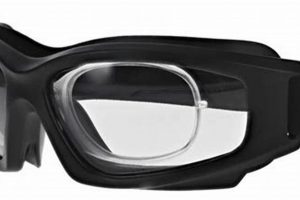
The eyes are particularly vulnerable in airsoft engagements. ANSI-rated goggles or full-face masks are mandatory to prevent severe injury from projectile impacts. These devices must provide a secure and complete seal around the eyes to effectively block incoming projectiles. The absence of adequate eye protection can result in irreversible vision impairment, making it a non-negotiable safety requirement.
- Face and Head Protection
Beyond eye protection, covering the face and head is advisable to minimize the risk of cuts, abrasions, and concussive injuries. Options include full-face masks incorporating eye protection, lower-face mesh masks used in conjunction with goggles, and helmets. The choice of equipment depends on individual preferences and the intensity of the gameplay environment. Proper head and face protection can significantly reduce the potential for lasting disfigurement and traumatic brain injuries.
- Body Protection
While not always mandatory, body protection can enhance comfort and reduce the severity of projectile impacts. Vests, padded clothing, and gloves can provide a buffer against welts and bruises. The level of body protection employed often correlates with the style of play and the participant’s tolerance for discomfort. Investing in adequate body protection can extend playing time and reduce post-game discomfort.
- Joint Protection
Knee and elbow pads are beneficial for navigating challenging terrain and minimizing joint strain during dynamic movements. These pads cushion impact forces and provide stability when crouching, kneeling, or crawling. The use of joint protection can prevent sprains, strains, and other musculoskeletal injuries, particularly on uneven or rocky surfaces.
The selection and proper use of protective equipment are integral components of responsible participation in airsoft. Consistent adherence to safety protocols regarding protective gear minimizes the risk of injury and fosters a secure environment for all participants. The absence of such precautions directly contradicts the principles of controlled simulation inherent in “airsoft nedir,” potentially transforming a recreational activity into a hazardous undertaking.
7. Designated fields
Designated fields are fundamentally linked to the activity described as “airsoft nedir”. These locations provide a controlled and regulated environment essential for the safe and organized practice of simulated combat. The characteristics of these fields directly influence gameplay tactics, strategic considerations, and participant safety.
- Safety and Regulation
Designated fields adhere to specific safety regulations designed to minimize the risk of injury. These regulations often include mandatory chronographing of replica firearms to ensure compliance with velocity limits, enforced use of personal protective equipment, and designated safe zones where replica firearms must be unloaded. The presence of trained staff and clearly marked boundaries contributes to a secure playing environment.
- Terrain and Layout
The terrain and layout of a designated field significantly impact gameplay. Fields may range from woodland environments with natural cover to urban settings with constructed barricades and buildings. The choice of terrain influences tactical considerations, such as the optimal use of camouflage, flanking maneuvers, and close-quarters combat techniques. Different layouts cater to varying play styles and strategic preferences.
- Community and Social Interaction
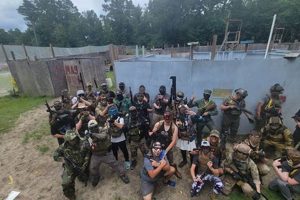
Designated fields serve as hubs for the airsoft community, providing opportunities for social interaction and camaraderie. Regular events, organized games, and team practices foster a sense of belonging and shared interest. These fields often feature retail areas for purchasing equipment and repair services, further contributing to their role as central gathering points for enthusiasts.
- Accessibility and Legal Compliance
Designated fields provide a legal and accessible venue for airsoft activities. By operating within established legal frameworks and adhering to local regulations, these fields offer a legitimate alternative to unauthorized or unregulated play in public spaces. This ensures that airsoft remains a responsible and sustainable recreational activity within the community.
These facets of designated fields underscore their critical role in shaping the nature and experience of “airsoft nedir”. They provide a safe, organized, and socially engaging environment that is essential for the responsible and sustainable practice of this recreational activity. The existence and proper management of designated fields are, therefore, fundamental to the continued growth and acceptance of airsoft within the wider community.
Frequently Asked Questions
The following section addresses common inquiries concerning this activity, offering clarification on its nature, safety, and participation requirements.
Question 1: What distinguishes airsoft from paintball?
Airsoft utilizes realistic replica firearms and smaller, solid projectiles, emphasizing tactical realism. Paintball employs markers that fire paint-filled projectiles, typically resulting in visible markings upon impact. Furthermore, gameplay rules and engagement distances often differ between the two activities.
Question 2: Is airsoft safe?
Airsoft, when practiced responsibly and with adherence to established safety protocols, presents a manageable level of risk. Mandatory use of eye protection and adherence to velocity limits are crucial safety measures. However, like any physical activity, the potential for minor injuries, such as welts or sprains, exists.
Question 3: What is the typical age requirement for participation?
Age restrictions vary depending on the specific airsoft field and local regulations. Many fields require participants under a certain age (typically 16 or 18) to have parental consent or supervision. It is imperative to verify age requirements before participating.
Question 4: What equipment is necessary for initial participation?
Minimum essential equipment includes ANSI-rated eye protection. Replica firearms, appropriate attire, and additional protective gear are commonly recommended. Rental options are often available at airsoft fields for individuals new to the activity.
Question 5: How regulated are airsoft replica firearms?
Regulations governing airsoft replica firearms vary significantly by jurisdiction. Some regions may impose restrictions on ownership, transportation, or modification of these devices. It is essential to familiarize oneself with applicable local and national laws.
Question 6: What are common field rules and etiquette considerations?
Common field rules include adherence to velocity limits, designated safe zones, and restrictions on blind firing. Etiquette considerations involve calling oneself out when hit, respecting boundaries, and engaging in sportsmanlike conduct.
This compilation of frequently asked questions aims to provide a concise overview of key aspects related to airsoft. Responsible participation requires a thorough understanding of safety protocols, regulations, and ethical considerations.
The next section will delve into advanced airsoft techniques and strategies, further enriching one’s understanding of this activity.
Airsoft Nedir
This exploration has dissected the core elements of “airsoft nedir”, revealing its multifaceted nature. The activity comprises simulated combat using realistic replica firearms and non-metallic projectiles, demanding tactical strategy, teamwork, and strict adherence to safety protocols within designated fields. The careful balance between realistic simulation and participant safety defines the essence of this recreational pursuit.
The understanding of “airsoft nedir” transcends mere definition. It requires acknowledging its inherent responsibilities and potential benefits. Continued engagement with established guidelines and ethical considerations will ensure the sustainable and safe evolution of this activity within the broader recreational landscape. Further investigation into advanced techniques and strategic nuances offers a continued path of discovery for dedicated participants.