Organized competitive events centered around the sport of airsoft involve teams or individual players engaging in simulated combat scenarios. These events typically follow pre-established rules, objectives, and scoring systems, requiring participants to utilize airsoft guns that fire plastic projectiles. A regional example might involve several teams competing for a championship title over a weekend, completing various objective-based missions within a designated playing field.
Participation in these structured competitions fosters teamwork, strategic thinking, and physical fitness. Historically, the growth of these events has mirrored the increasing popularity of airsoft as a recreational activity. The development provides opportunities for players to test their skills, improve their tactical proficiency, and engage in a community-driven atmosphere. The emphasis on fair play and adherence to safety regulations is paramount to ensuring a positive and secure experience for all involved.
The following sections will delve into specific aspects, covering the types of events commonly encountered, the regulations governing gameplay, essential equipment considerations, effective strategies for success, and safety protocols that participants must understand and adhere to.
Succeeding in organized airsoft competitions requires more than just enthusiasm. Careful preparation, strategic thinking, and a commitment to teamwork are essential. The following tips provide a foundation for improving performance in such events.
Tip 1: Thoroughly Understand Event Rules and Objectives: Before participating, obtain and meticulously review the official rulebook. Comprehension of regulations regarding engagement distances, permissible equipment, and scoring systems is crucial. Failure to adhere to these rules can result in penalties or disqualification.
Tip 2: Optimize Equipment Configuration: Adapt gear to the specific environment and anticipated gameplay style. Consider factors such as field size, terrain, and opponent tendencies when selecting weapon platforms, load-bearing equipment, and protective gear. Prioritize reliability and functionality over purely aesthetic considerations.
Tip 3: Emphasize Communication and Teamwork: Effective communication is paramount for coordinating movements, sharing intelligence, and executing tactical maneuvers. Establish clear communication protocols within the team and practice utilizing them during training exercises. Consistent and accurate communication can significantly enhance overall team performance.
Tip 4: Develop Situational Awareness: Cultivate the ability to rapidly assess the battlefield situation, identify potential threats, and anticipate enemy movements. This involves constantly scanning the environment, listening for auditory cues, and utilizing available intelligence to make informed decisions. Adaptability is key to remaining effective in dynamic scenarios.
Tip 5: Prioritize Physical Conditioning: Competitive scenarios often require prolonged periods of physical exertion, including running, crouching, and carrying equipment. Maintaining a reasonable level of physical fitness can improve stamina, agility, and overall performance. Incorporate regular exercise into the training regimen.
Tip 6: Practice Objective-Based Scenarios: Focus on simulating real-world objective-based gameplay during training sessions. This involves practicing tactics such as capturing objectives, defending positions, and escorting designated personnel. Refining these skills will translate directly into improved performance during actual competitions.
Tip 7: Maintain Consistent Trigger Discipline and Accuracy: Refrain from indiscriminate firing and prioritize controlled shots that maximize accuracy. Practice trigger control techniques to improve shot placement and conserve ammunition. Consistent accuracy can significantly increase the effectiveness of engagements.
These tips represent a starting point for enhancing performance. Continuous learning, self-evaluation, and adaptation are essential for achieving sustained success. A dedicated and disciplined approach to preparation will yield significant benefits in a competitive environment.
The subsequent section will offer insights on equipment selection considerations.
1. Organization
The success of any competitive airsoft event is inextricably linked to the quality of its organization. A well-structured event provides clear rules, efficient scheduling, and fair gameplay, contributing directly to a positive experience for all participants. Deficiencies in organization can lead to confusion, disputes, and safety hazards, undermining the competitive integrity and overall enjoyment. For example, a poorly managed registration process can delay the start of the competition, while unclear game rules can result in arguments and inconsistent application of penalties.
Effective organization encompasses several key areas. These include pre-event planning, which involves securing a suitable venue, establishing event rules, and coordinating with referees and medical personnel. During the event, organization manifests in the form of efficient check-in procedures, clear communication of game schedules and objectives, and consistent enforcement of rules. Post-event organization includes timely dissemination of results, collection of feedback, and analysis of event performance for future improvement. Consider a national-level event requiring months of planning to secure permits, coordinate logistics, and train staff to ensure a seamless experience for hundreds of players.
In conclusion, robust organizational practices are not merely administrative necessities but fundamental components of a successful competitive event. Prioritizing careful planning, clear communication, and consistent execution ensures a fair, safe, and enjoyable experience for all participants. This emphasis on organization minimizes potential conflicts and allows participants to focus on the competitive aspects of the event, ultimately contributing to the growth and legitimacy of airsoft as a competitive sport.
2. Regulations

Regulations form the bedrock of any legitimate competitive airsoft event, ensuring fairness, safety, and a consistent playing field. These rules govern permissible equipment, engagement distances, gameplay mechanics, and penalty systems. Their absence or inconsistent enforcement leads to chaos, disputes, and potential injuries, ultimately undermining the event’s integrity. For example, regulations typically specify maximum muzzle velocities for airsoft guns to prevent excessive projectile force, mandate the use of eye protection to safeguard against injury, and delineate safe zones where firing is prohibited. A lack of clear regulations on these aspects invites risk and compromises the experience for all participants.
The influence of regulations extends beyond basic safety concerns. They shape tactical approaches, equipment choices, and overall gameplay dynamics. Limitations on magazine capacity, restrictions on the use of fully automatic fire, or designated medic rules can significantly alter strategies and force players to adapt their techniques. Real-world examples include the adoption of MED (Minimum Engagement Distance) rules to prevent injuries from close-range shots and the implementation of chronograph testing to ensure compliance with velocity limits. These measures demonstrate the practical application of regulations in maintaining a safe and balanced competitive environment. Furthermore, clearly defined rules on respawn mechanics, objective completion, and flag captures are vital for structuring game scenarios and determining victory.
In summary, regulations are not merely bureaucratic hurdles but essential safeguards that define the very nature of competitive airsoft. They ensure a level playing field, prioritize participant safety, and foster a sense of fair play. Understanding and adhering to these regulations is paramount for organizers, players, and referees alike. The continued growth and acceptance of organized airsoft relies heavily on the consistent application and evolution of comprehensive regulatory frameworks, addressing emerging challenges and ensuring the long-term viability of the sport.
3. Teamwork

Teamwork constitutes a critical determinant of success within competitive airsoft events. Beyond individual skill, the capacity of a team to operate as a cohesive unit dictates its ability to achieve objectives, overcome opposition, and secure victory. Effective collaboration necessitates synchronized action, shared understanding, and mutual trust among team members.
- Communication and Coordination
Unambiguous and timely communication serves as the linchpin of coordinated action. Teams must establish clear communication protocols, utilizing hand signals, verbal cues, or electronic communication devices to relay information regarding enemy positions, movement plans, and objective status. Coordinated movement and fire support are contingent upon effective communication. In a scenario involving a building assault, for example, clear communication allows team members to breach and clear rooms systematically, minimizing casualties and maximizing efficiency.
- Role Specialization and Task Allocation
Optimal teamwork entails the identification and allocation of roles based on individual strengths and expertise. Some members may excel as reconnaissance specialists, providing crucial intelligence on enemy deployments. Others may possess superior marksmanship skills, serving as designated sharpshooters. Assigning specific tasks based on individual capabilities enhances overall team performance. A well-balanced team typically includes members specializing in assault, defense, support, and medical roles, creating a versatile and adaptive fighting force.
- Strategic Planning and Adaptability
Prior to engagement, teams must develop comprehensive strategic plans, outlining objectives, routes of advance, and contingency measures. However, the dynamic nature of airsoft necessitates adaptability. Teams must be capable of modifying their plans in response to unforeseen circumstances, such as unexpected enemy movements or changes in objective status. A team that can quickly adapt to changing conditions maintains a competitive advantage. For example, a team may initially plan to attack an objective from the west but, upon discovering a heavily fortified position, may decide to flank the objective from the east instead.
- Mutual Support and Trust
The foundation of any successful team lies in mutual support and unwavering trust. Team members must be willing to provide assistance to one another, covering flanks, providing suppressive fire, and offering medical aid when needed. A strong sense of camaraderie fosters a willingness to sacrifice personal gain for the benefit of the team. Trust allows team members to rely on one another in high-pressure situations, knowing that their teammates will act in the best interests of the collective. In a simulated combat environment, this trust can be the difference between success and failure.
These facets highlight the significance of teamwork in achieving success. The ability to communicate effectively, specialize in roles, adapt strategically, and maintain mutual support transforms a group of individuals into a cohesive and formidable force on the airsoft battlefield. It is the dedication to these principles that separates successful teams from mere participants.
4. Strategy

Strategy plays a pivotal role in competitive airsoft, differentiating casual participants from serious contenders. It encompasses pre-game planning, in-game adaptation, and the exploitation of opponent weaknesses. A well-defined strategy maximizes a team’s effectiveness and significantly improves their chances of success.
- Pre-Game Planning and Reconnaissance
Effective strategy begins before the event. Teams should analyze the field layout, identify key strategic locations (e.g., choke points, elevated positions), and gather intelligence on potential opponent tactics. This pre-game reconnaissance informs the development of an initial battle plan, outlining objectives, routes of advance, and contingency measures. For instance, if the field features a dense wooded area, a team might prioritize deploying scouts to gather information on enemy movements within the cover. The importance of a comprehensive map and understanding of the environment is extremely important.
- In-Game Adaptation and Flexibility
No battle plan survives first contact. The ability to adapt to changing circumstances is crucial for success. Teams must constantly assess the battlefield situation, identify emerging threats, and modify their strategies accordingly. This requires clear communication, effective leadership, and a willingness to deviate from the original plan when necessary. If, for example, a planned assault on an objective is met with heavy resistance, the team might need to shift its focus to a flanking maneuver or a defensive posture to regroup and reassess the situation. Thinking outside the box is critical.
- Objective Prioritization and Risk Assessment
Not all objectives are created equal. Teams must prioritize objectives based on their strategic value and the potential risks involved in capturing them. A high-value objective might provide a significant advantage, but also be heavily defended. Teams must weigh the potential rewards against the potential losses before committing resources to an attack. Consider a scenario where capturing a central communication tower would provide a team with a significant intelligence advantage. A team might choose to allocate a significant portion of their resources to securing this objective, even at the risk of leaving other areas of the field less defended.
- Exploitation of Opponent Weaknesses
A key aspect of strategy involves identifying and exploiting opponent weaknesses. This requires careful observation and analysis of enemy tactics, equipment, and communication patterns. If an opposing team consistently relies on a particular formation or strategy, a well-prepared team can develop countermeasures to exploit those weaknesses. For instance, if an opposing team consistently uses a narrow corridor for their advance, a team might set up an ambush or deploy a defensive position to disrupt their progress. Identifying and countering opponent tendencies are essential for victory.
These strategic elements combine to form a holistic approach to competitive airsoft. Mastering these aspects gives an edge. This is especially true as it allows teams to maximize their potential, adapt to dynamic situations, and exploit weaknesses to their advantage. Success in competitive airsoft is not solely about individual skill but about the strategic cohesion and adaptability of the entire team.
5. Equipment
The selection and configuration of equipment are integral components of participation in competitive airsoft. The appropriateness and functionality of gear directly impact a player’s performance, safety, and overall effectiveness on the field. Understanding the various equipment categories and their implications is crucial for success.
- Protective Gear: Essential Safety Component
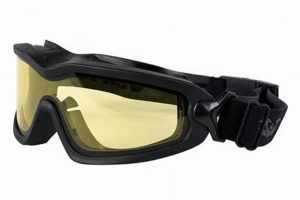
Eye protection is paramount and typically mandated by event organizers. Full-seal goggles or a full face mask are required to prevent potential eye injuries from projectiles. Additional protective equipment, such as vests, gloves, and knee pads, can mitigate the risk of welts, abrasions, and other minor injuries. Regulatory bodies and event organizers often specify minimum protection standards to ensure participant well-being. For example, many events require impact-rated goggles that meet ANSI Z87.1 standards or equivalent. Proper protective gear is not merely recommended but a fundamental prerequisite for participation.
- Airsoft Guns: Performance and Regulation Compliance
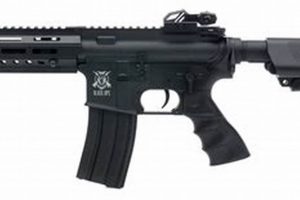
The primary tool in airsoft is the airsoft gun, which propels plastic projectiles using compressed gas or electric power. Regulations typically govern muzzle velocity to maintain a safe energy output. Common types include electric-powered automatic rifles (AEGs), gas blowback pistols (GBBs), and spring-powered sniper rifles. Each type offers distinct advantages and disadvantages in terms of range, accuracy, and rate of fire. Before an event, these devices undergo chronograph testing to guarantee adherence to established velocity limits. Modification of airsoft guns beyond allowable limits often leads to disqualification.
- Load-Bearing Equipment: Tactical Efficiency and Comfort
Load-bearing equipment, such as vests, chest rigs, and belts, allows players to efficiently carry ammunition, magazines, and other essential items. Ergonomic design and proper weight distribution are critical for maintaining mobility and reducing fatigue. The type and configuration of load-bearing equipment depend on individual playing style and the specific role within a team. Consider a scenario where a rifleman requires quick access to multiple magazines, necessitating a chest rig with readily accessible pouches. Choosing appropriate load-bearing equipment enhances tactical efficiency and allows players to remain engaged for extended periods.
- Communication Devices: Coordination and Information Sharing
Effective communication is paramount for team coordination. Two-way radios enable players to share information about enemy positions, movements, and objective status. Headsets with microphones provide hands-free communication, allowing players to remain focused on the battlefield. Radio communication protocols and frequencies are often regulated to minimize interference and maintain clear communication channels. A team employing clear and consistent radio communication can effectively coordinate their movements, react to emerging threats, and execute tactical maneuvers with greater precision.
The selection, maintenance, and responsible use of equipment contribute significantly to the safety, fairness, and overall enjoyment of competitive airsoft events. Adherence to regulations, investment in quality protective gear, and careful consideration of tactical requirements are essential for maximizing performance and minimizing risks. Proper equipment enables participants to fully engage in the competitive aspects of the sport while prioritizing their well-being and that of their fellow players.
6. Safety
The paramount importance of safety in any airsoft tournament cannot be overstated. The very nature of simulated combat, involving projectiles propelled at high speeds, necessitates rigorous safety protocols to prevent injury. Failure to prioritize safety has direct and detrimental consequences, ranging from minor welts and bruises to severe eye injuries, broken teeth, or other serious trauma. The establishment and strict enforcement of safety rules form the bedrock of responsible airsoft activity. Examples of critical safety measures include mandatory eye protection, velocity limits for airsoft guns, and designated safe zones where firing is prohibited. Without these safeguards, tournaments would pose unacceptable risks to participants, undermining the integrity and legitimacy of the sport. A past incident at an unregulated event, resulting in a player suffering a serious eye injury, serves as a stark reminder of the potential dangers of neglecting safety.
The implementation of comprehensive safety measures extends beyond simply establishing rules. It requires diligent enforcement, continuous monitoring, and ongoing education for participants. Referees play a crucial role in ensuring adherence to safety regulations, intervening when necessary to prevent unsafe actions. Regular chronograph testing of airsoft guns verifies compliance with velocity limits. Pre-event safety briefings educate players on potential hazards and emphasize the importance of responsible behavior. Furthermore, event organizers must have adequate medical personnel on-site to provide immediate treatment in case of injury. The practical significance of this multifaceted approach is evident in the significantly lower incidence of injuries at well-regulated tournaments compared to less structured events. In these well-regulated tournaments, the emphasis on safety allows participants to focus on competition without undue worry.
In summary, safety is not merely an adjunct to airsoft tournaments but an indispensable element that underpins their viability. It is a shared responsibility, requiring the active participation of organizers, referees, and players alike. Challenges remain in ensuring consistent enforcement of safety rules across all events and in adapting safety protocols to address evolving equipment and gameplay styles. However, a continued commitment to safety is essential for the long-term sustainability and positive perception of airsoft as a competitive sport. It’s worth emphasizing that a strong culture of safety helps bring in new players to the sport.
7. Sportsmanship
Sportsmanship is not merely a desirable attribute but a fundamental requirement for the sustained integrity and positive perception of any competitive endeavor, including the realm of organized simulated combat events. It serves as the ethical framework guiding participant behavior and fostering a fair and respectful environment. In these events, where adrenaline and competitive drive can run high, the adherence to principles of sportsmanship becomes even more critical.
- Honesty and Integrity in Gameplay
Adherence to established rules and honest reporting of hits are paramount. The simulated nature of engagements necessitates reliance on players’ self-reporting. Instances of players failing to acknowledge being hit undermine the fairness of the competition and erode trust among participants. Examples include calling oneself out even when unobserved by opposing players and refraining from exaggerating the circumstances of an engagement. Consistently upholding these standards of honesty fosters a positive competitive atmosphere.
- Respect for Opponents and Referees
Treating opponents with respect, regardless of skill level or competitive intensity, is a hallmark of good sportsmanship. This includes avoiding inflammatory language, celebrating victories with humility, and accepting defeats with grace. Similarly, showing deference to referees and accepting their decisions, even when disagreeing, is essential for maintaining order and fairness. Challenging a referee’s call should be done respectfully and according to established procedures, if any. Disrespectful behavior towards opponents or referees disrupts the competitive environment and detracts from the overall experience.
- Adherence to Safety Regulations
Beyond simply following mandated safety rules, demonstrating a proactive commitment to the well-being of fellow participants exemplifies sportsmanship. This encompasses warning others of potential hazards, assisting injured players, and reporting unsafe behavior to referees. A sportsmanlike player understands that safety is a collective responsibility, and actively contributes to maintaining a secure environment for all. Neglecting safety protocols, even if it provides a competitive advantage, violates the spirit of fair play and endangers other participants.
- Maintaining a Positive Attitude
A positive attitude, even in the face of adversity, contributes significantly to the overall atmosphere of a competitive event. Supporting teammates, offering encouragement to opponents, and focusing on the enjoyment of the game, rather than solely on winning, are hallmarks of good sportsmanship. Complaining excessively, engaging in negative self-talk, or displaying frustration can negatively impact team morale and detract from the experience for others. Maintaining a positive outlook, even during challenging moments, demonstrates resilience and contributes to a more enjoyable and sportsmanlike environment.
These facets of sportsmanship, while seemingly abstract, have concrete implications for the success and sustainability of organized simulated combat events. A widespread commitment to these principles fosters a positive reputation, attracts new participants, and ensures that the focus remains on skill, strategy, and camaraderie, rather than on unsportsmanlike behavior. Conversely, a lack of sportsmanship can lead to a decline in participation, reputational damage, and ultimately, the erosion of the competitive environment.
Frequently Asked Questions
The following section addresses common inquiries regarding organized simulated combat competitions, providing concise and informative responses to clarify key aspects of participation and regulation.
Question 1: What constitutes an acceptable form of eye protection at a competitive event?
Acceptable eye protection generally consists of full-seal goggles or a full-face mask meeting established impact resistance standards, such as ANSI Z87.1 or equivalent. Mesh goggles are often prohibited due to potential projectile fragmentation. Specific requirements may vary by event; therefore, consulting the event rules is essential.
Question 2: What are the typical muzzle velocity limits enforced at these events?
Muzzle velocity limits vary depending on the airsoft gun type and engagement distance rules. Commonly encountered limits range from 350 FPS (feet per second) with 0.20g BBs for automatic weapons to 500 FPS for sniper rifles with minimum engagement distances of 100 feet or more. Event rules will explicitly state the applicable velocity limits and testing protocols.
Question 3: What is the procedure for resolving disputes regarding hit registration?
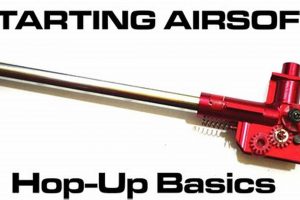
Disputes regarding hit registration are typically resolved by designated referees. The referee’s decision is final. Tampering with an airsoft gun’s hop-up or any other modification that will affect the power is prohibited. Participants are expected to adhere to the referee’s judgment and refrain from engaging in aggressive or argumentative behavior.
Question 4: Are there restrictions on the types of ammunition permitted at competitive events?
Biodegradable BBs are often mandated to minimize environmental impact. The use of metal BBs or other projectiles deemed unsafe is strictly prohibited. Event rules typically specify acceptable BB weights and materials. Use of unauthorized ammunition may result in disqualification.
Question 5: What are the standard regulations regarding minimum engagement distances (MED)?
Minimum engagement distances are implemented to prevent injuries from close-range shots. Standard MEDs range from 0 feet for pistols to 20-100 feet for sniper rifles. Firing within the MED may result in penalties. Players should be aware of and adhere to the specified MEDs for their weapon type.
Question 6: What are the penalties for violating established event rules and safety regulations?
Penalties for rule and safety violations vary depending on the severity of the infraction. Common penalties include warnings, point deductions, temporary suspensions, and disqualification from the event. Repeat or egregious violations may result in permanent bans from future events.
Adherence to these guidelines fosters a fair, safe, and enjoyable competitive environment for all participants. It is incumbent upon all individuals to familiarize themselves with and abide by the established rules and regulations.
The subsequent section offers concluding remarks summarizing the critical aspects of competitive simulated combat.
Conclusion
The preceding discussion has explored various facets of “airsoft tournament,” emphasizing the interconnectedness of organization, regulations, teamwork, strategy, equipment, safety, and sportsmanship. These elements collectively define the structure, integrity, and participant experience of organized simulated combat events. The adherence to established guidelines and the commitment to ethical conduct are crucial for fostering a positive and sustainable competitive environment.
Continued engagement with and support for responsible practices within these events is essential for the growth and legitimacy of airsoft as a competitive sport. Sustained focus on safety, fair play, and community development will contribute to a thriving and respected environment for all participants, and will increase the interest in the sport. The industry must promote safety and respect.
![Redwolf Airsoft: Find Discount Codes & Save [Year] | Ultimate Airsoft Guide for Beginners, Tactics & Gear Reviews](https://airsoftica.com/wp-content/uploads/2026/04/th-288-300x200.jpg "Redwolf Airsoft: Find Discount Codes & Save [Year] Ultimate Airsoft Guide for Beginners, Tactics & Gear Reviews")