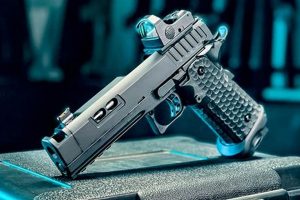
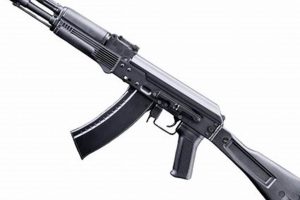
This lubricant, frequently employed in airsoft maintenance, is a synthetic polymer-based compound formulated to reduce friction and protect rubber and plastic components within airsoft guns. Its inert nature prevents degradation of sensitive materials, unlike petroleum-based alternatives. For example, applying a small amount to the O-rings of a gas blowback pistol magazine ensures a proper seal and consistent gas pressure.
The substance is vital for maintaining the operational efficiency and extending the lifespan of airsoft equipment. Regular application prevents cracking and swelling of seals, leading to improved performance and reduced wear and tear on internal mechanisms. Its adoption coincided with the increasing sophistication of airsoft replicas, demanding lubricants compatible with a wider range of materials than previously required.
Further discussion will address specific application techniques, optimal frequency of use, and a comparative analysis of different formulations available on the market. The focus will remain on practical advice for airsoft enthusiasts seeking to optimize the performance and longevity of their equipment.
Essential Application Guidance
Proper utilization of this lubricant is critical for optimal airsoft gun performance and longevity. The following tips outline best practices for application and maintenance.
Tip 1: Compatibility Verification: Always ensure the lubricant is explicitly designated as silicone-based and safe for use with rubber and plastic components. Petroleum-based alternatives can cause irreversible damage.
Tip 2: Controlled Application: Apply sparingly. Over-lubrication can attract dirt and debris, hindering performance. A thin, even coating is sufficient.
Tip 3: O-Ring Maintenance: Regularly lubricate O-rings in magazines and gas valves. This prevents leaks and ensures consistent gas pressure. Disassembly and reassembly may be required.
Tip 4: Piston Head Lubrication: For AEG (Automatic Electric Gun) maintenance, apply a small amount to the piston head and cylinder walls to reduce friction and improve compression. Consult your AEG’s manual for specific disassembly instructions.
Tip 5: Cleaning Before Lubrication: Prior to application, clean the parts to be lubricated with a dry cloth or brush to remove any existing dirt or debris. This ensures proper adhesion and prevents contamination.
Tip 6: Regular Inspection: Routinely inspect lubricated components for signs of wear or degradation. Address any issues promptly to prevent further damage.
Effective use translates to enhanced performance, reduced maintenance requirements, and extended lifespan for airsoft equipment. Adhering to these guidelines will significantly improve the reliability of your airsoft guns.
The next section will explore common issues and troubleshooting techniques related to lubrication and airsoft gun maintenance.
1. Compatibility

The selection of a compatible lubricant is paramount to the long-term functionality and preservation of airsoft guns. The term “airsoft oil silicone” inherently implies compatibility with the diverse materials used in airsoft replica construction, primarily rubber and plastic components. Incompatibility arises when using petroleum-based lubricants. These substances can cause swelling, cracking, and eventual degradation of rubber seals, O-rings, and other critical parts. A direct consequence of using an incompatible lubricant is gas leakage in magazines and reduced compression in cylinders, leading to diminished performance and potential irreparable damage. For instance, applying a petroleum-based lubricant to a gas blowback pistol’s magazine O-rings will, over time, compromise the seal, resulting in gas escaping and rendering the magazine unusable.
Ensuring compatibility necessitates scrutinizing the product label and verifying that the lubricant is explicitly designated as silicone-based and safe for use with the specific materials present in the airsoft gun. Manufacturers often specify recommended lubricants in their product manuals. Furthermore, conducting a spot test on an inconspicuous area before applying the lubricant to critical components can mitigate the risk of unforeseen reactions. An example of practical application involves AEG maintenance. The cylinder head and piston head contain rubber or polymer components. Using a compatible silicone-based lubricant ensures smooth operation and prevents damage to these vital parts, preserving the AEG’s air seal and overall performance.
In summary, the compatibility of “airsoft oil silicone” with the materials used in airsoft guns is non-negotiable. Failure to prioritize compatibility can lead to costly repairs and decreased performance. By adhering to manufacturer recommendations and carefully examining product specifications, airsoft enthusiasts can avoid potential pitfalls and safeguard the longevity of their equipment. The persistent challenge lies in user education and the dissemination of accurate information regarding the importance of selecting compatible lubricants.
2. Viscosity

Viscosity, defined as a fluid’s resistance to flow, constitutes a critical property of lubricants used in airsoft guns. The appropriate viscosity of influences the lubricant’s ability to effectively reduce friction, penetrate tight spaces, and remain in place during operation. A viscosity that is too high may impede movement and increase resistance, while a viscosity that is too low may result in insufficient lubrication and rapid displacement. The selection of an is governed by the specific requirements of the airsoft gun’s components, including gears, pistons, and valves. An incorrect viscosity can result in diminished performance, increased wear, and potential malfunctions. As an example, applying a high-viscosity silicone grease to the delicate gears within an AEG gearbox can create excessive drag, reducing the gun’s rate of fire and placing undue strain on the motor.
The practical significance of understanding viscosity lies in its direct impact on the longevity and reliability of airsoft equipment. Specifically, the viscosity should enable the lubricant to spread evenly across contact surfaces, providing a protective film that minimizes friction and prevents metal-on-metal contact. Furthermore, the lubricant should exhibit sufficient tackiness to resist being flung off rotating parts or washed away by propellant gases. In the context of gas blowback pistols, using a silicone oil with the appropriate viscosity is vital for maintaining a proper seal between the magazine’s gas valve and the pistol’s nozzle, ensuring consistent gas pressure and preventing leaks. Conversely, using a low-viscosity oil could lead to insufficient sealing, resulting in reduced power and erratic shot performance.
In conclusion, the viscosity of employed in airsoft guns is a pivotal factor that directly affects performance, reliability, and longevity. Selecting a lubricant with the correct viscosity ensures optimal friction reduction, proper sealing, and resistance to displacement. Airsoft enthusiasts should consult manufacturer recommendations and consider the specific requirements of their equipment when choosing . By paying close attention to viscosity, users can maximize the performance and lifespan of their airsoft guns. Challenges persist in standardizing viscosity ratings for airsoft-specific lubricants, necessitating reliance on product descriptions and user experiences. Further research and development in this area are warranted to provide clearer guidance for lubricant selection.
3. Inertness

Inertness, a crucial characteristic of lubricants used in airsoft guns, refers to the chemical stability and lack of reactivity of the substance with the materials it contacts. This property is paramount for preserving the integrity and performance of airsoft components, particularly those constructed from polymers, rubbers, and metals. The absence of inertness can initiate degradation processes, such as corrosion, swelling, or embrittlement, leading to malfunctions and reduced operational lifespan. A lubricant exhibiting reactivity may interact with the seals in a gas magazine, causing them to degrade and leading to gas leaks. Conversely, an inert lubricant maintains its chemical stability, preventing adverse reactions and preserving the functionality of the affected parts.
The practical significance of inertness in “airsoft oil silicone” manifests in several critical areas. The material’s inherent stability prevents it from attacking or dissolving the rubber O-rings that are crucial for maintaining airtight seals in gas-powered airsoft guns. Without this inertness, these seals would degrade over time, resulting in diminished performance and eventually rendering the gun unusable. Similarly, in automatic electric guns (AEGs), the lubricant’s inertness ensures that it does not interact with the plastic components within the gearbox, such as the piston head or tappet plate, thus preventing premature wear and failure. Choosing a lubricant lacking inertness is analogous to using the wrong cleaning solvent on delicate electronics; the damage may be subtle initially but catastrophic in the long run.
In summary, inertness is not merely a desirable trait but an essential requirement for lubricants used in airsoft guns. Its presence ensures compatibility with a wide range of materials, preventing degradation and preserving the operational integrity of the equipment. The selection process should always prioritize this property, as neglecting it can lead to diminished performance, increased maintenance requirements, and a shortened lifespan for airsoft replicas. Despite the clear benefits, a continued challenge lies in educating users about the critical importance of this characteristic and providing them with the information necessary to make informed purchasing decisions.
4. Longevity

Longevity, in the context of airsoft equipment, refers to the extended operational lifespan and consistent performance of components and mechanisms. The selection and application of “airsoft oil silicone” directly influences this aspect, determining how long parts remain functional and retain their intended characteristics.
- Reduced Wear and Tear
Proper lubrication minimizes friction between moving parts, directly reducing wear and tear. Silicone-based lubricants create a protective barrier that prevents metal-on-metal contact and friction-induced degradation. Regular application, therefore, contributes significantly to the extended lifespan of critical components such as gears, pistons, and O-rings.
- Prevention of Material Degradation
Certain materials, notably rubber and plastics commonly found in airsoft guns, are susceptible to degradation from environmental factors and chemical reactions. Silicone-based lubricants, due to their inert nature, protect these materials from premature aging, cracking, and swelling, thereby preserving their structural integrity and functionality over extended periods.
- Resistance to Environmental Factors
Airsoft guns are often used in outdoor environments, exposing them to moisture, dust, and temperature fluctuations. Silicone lubricants create a barrier against these elements, preventing corrosion, rust, and the accumulation of debris that can impede performance and accelerate wear. This protective layer ensures that components function reliably under diverse operating conditions.
- Maintaining Seal Integrity
Airtight seals are crucial for maintaining consistent gas pressure and optimal performance in gas-powered airsoft guns. The application of to O-rings and seals prevents them from drying out, cracking, or becoming brittle, thereby preserving their elasticity and ensuring a proper seal over time. This directly translates to consistent power output and reduced gas leakage, contributing to the longevity of the gun’s performance.
The interplay between reduced wear, material preservation, environmental protection, and seal maintenance underscores the significance of “airsoft oil silicone” in extending the operational lifespan of airsoft equipment. Consistent and appropriate application ensures that components retain their functionality and performance characteristics, mitigating the need for frequent replacements and reducing overall maintenance costs.
5. Application
The proper of lubricants, specifically “airsoft oil silicone,” is fundamental to ensuring optimal performance and extending the lifespan of airsoft equipment. Inadequate or incorrect usage can negate the benefits of even the highest quality lubricants, leading to diminished performance and potential damage. The following aspects highlight the critical facets of in relation to this specialized lubricant.
- Surface Preparation
Prior to applying , the surfaces to be lubricated must be clean and free from debris. Residual dirt or contaminants can impede the lubricant’s ability to adhere properly and create a protective barrier. This process typically involves wiping down the components with a clean, lint-free cloth or using a specialized cleaning solution designed for airsoft equipment. Neglecting this step can result in the lubricant mixing with contaminants, forming an abrasive paste that accelerates wear.
- Method of Deployment
The specific method of application varies depending on the component being lubricated. For O-rings and seals, a thin, even coating is often sufficient, applied using a small brush or fingertip. For internal mechanisms, such as gears or pistons, the lubricant may need to be applied more liberally, ensuring that all contact surfaces are adequately covered. The use of precision applicators, such as needle-tip bottles, can aid in precise and controlled application, preventing over-lubrication and minimizing waste. In AEG maintenance, for instance, a thin layer of silicone grease applied to the piston head significantly improves compression and reduces wear.
- Frequency of Re-application
The frequency with which needs to be re-applied depends on several factors, including the intensity of use, environmental conditions, and the specific lubricant formulation. Regular inspections are essential to determine when re-application is necessary. Signs of inadequate lubrication include increased friction, squeaking noises, or diminished performance. Over-lubrication can also be detrimental, attracting dirt and debris that can impede movement. As a guideline, gas blowback magazines should be lubricated after each use, while internal gearbox components may only require lubrication every few thousand rounds.
- Compatibility with Materials
While “airsoft oil silicone” is generally compatible with the rubber and plastic components commonly found in airsoft guns, it is crucial to verify compatibility with specific materials. Certain formulations may contain additives that could react adversely with certain plastics or coatings. Consulting the manufacturer’s specifications and performing a spot test on an inconspicuous area prior to widespread application can mitigate the risk of damage. The use of petroleum-based lubricants, for example, is strictly discouraged, as they can cause swelling and degradation of rubber seals.
These facets of underscore the importance of proper technique. Effective hinges on careful preparation, appropriate deployment methods, regular maintenance, and material compatibility considerations. By adhering to best practices, users can maximize the benefits of “airsoft oil silicone,” ensuring the longevity and consistent performance of their airsoft equipment.
Frequently Asked Questions Regarding Airsoft Oil Silicone
The following section addresses common inquiries concerning the application, properties, and appropriate usage of lubricants in airsoft guns, specifically focusing on the benefits and limitations of silicone-based formulations.
Question 1: Is “airsoft oil silicone” suitable for all types of airsoft guns?
Generally, silicone-based lubricants are compatible with most airsoft gun types, including gas blowback pistols, automatic electric guns (AEGs), and spring-powered rifles. However, it is crucial to verify compatibility with specific materials, particularly if the gun incorporates unique polymers or coatings. Consulting the manufacturer’s recommendations is always advisable.
Question 2: How often should “airsoft oil silicone” be applied?
The frequency of application depends on the intensity of use and environmental conditions. Gas blowback magazines typically require lubrication after each use, while internal gearbox components in AEGs may only need lubrication every few thousand rounds. Regular inspection for signs of dryness or increased friction is essential.
Question 3: Can petroleum-based lubricants be used as a substitute for “airsoft oil silicone?”
No. Petroleum-based lubricants are generally incompatible with the rubber and plastic components found in airsoft guns. Their use can lead to swelling, cracking, and eventual degradation of seals and other critical parts, resulting in diminished performance and potential irreparable damage.
Question 4: What are the potential consequences of over-lubricating with “airsoft oil silicone?”
Over-lubrication can attract dirt and debris, creating an abrasive mixture that accelerates wear on internal components. Additionally, excessive lubricant can impede the proper functioning of certain mechanisms. Applying a thin, even coating is generally sufficient.
Question 5: How does “airsoft oil silicone” contribute to the longevity of airsoft guns?
By reducing friction between moving parts, silicone-based lubricants minimize wear and tear. Their inert nature also protects rubber and plastic components from degradation, extending their operational lifespan. Regular and appropriate application ensures consistent performance and reduces the need for frequent replacements.
Question 6: What are the key properties to consider when selecting “airsoft oil silicone?”
Compatibility with materials, appropriate viscosity, inertness, and longevity are crucial properties. The lubricant should be explicitly designated as silicone-based and safe for use with rubber and plastic components. It should also exhibit a viscosity that allows for smooth operation without impeding movement. Inertness ensures that the lubricant does not react with or degrade internal components, while longevity dictates how long the lubricant remains effective between applications.
In summary, responsible and informed use of “airsoft oil silicone” is paramount for maintaining the performance and longevity of airsoft equipment. Adhering to best practices and considering the specific needs of the airsoft gun is essential for optimal results.
The subsequent section will explore specific brands and formulations of silicone-based lubricants available on the market, providing a comparative analysis of their properties and suitability for different applications.
Concluding Remarks on Airsoft Lubrication
This exploration has underscored the critical role of appropriate lubricants in maintaining airsoft equipment. Airsoft oil silicone, due to its compatibility with diverse materials, specifically rubber and plastics, emerges as the preferred option for minimizing friction, preventing degradation, and ensuring consistent performance. Proper application techniques, adherence to manufacturer recommendations, and an understanding of the lubricant’s properties are paramount for maximizing its benefits.
The informed selection and conscientious application of the correct lubricant represent a fundamental aspect of responsible airsoft gun ownership. Prioritizing preventative maintenance through the strategic use of appropriate lubrication ultimately extends the lifespan of valuable equipment, reduces the likelihood of malfunctions, and contributes to a more reliable and enjoyable airsoft experience. Continued diligence in researching and understanding lubrication best practices remains essential for all airsoft enthusiasts.