A recreational activity centered around simulated combat, it utilizes realistic replica firearms that propel small, non-lethal projectiles. Participants engage in team-based scenarios within designated fields, emphasizing strategic thinking, teamwork, and physical exertion. For example, players might attempt to capture a flag, defend a base, or eliminate opposing forces using these projectile-firing replicas.
This pursuit fosters camaraderie and problem-solving skills. It provides a safe and structured environment for individuals to experience simulated tactical situations, promoting responsible firearm handling and sportsmanship. The activity’s roots can be traced back to the late 20th century, growing in popularity as technology advanced and realistic equipment became more accessible.
The following sections will delve into specific aspects of this activity, including gameplay rules, equipment considerations, field designs, safety protocols, and community engagement, providing a deeper understanding of its appeal and intricacies.
Strategic Recommendations for Optimal Performance
The following guidelines are presented to enhance participant proficiency and enjoyment during simulated combat engagements. Adherence to these recommendations can contribute to improved tactical effectiveness and overall team success.
Tip 1: Prioritize Situational Awareness: Maintain constant observation of the surrounding environment. Identifying potential threats and advantageous positions is crucial for informed decision-making. For instance, noting the location of cover and concealment can provide tactical advantages during engagements.
Tip 2: Emphasize Clear Communication: Establish a reliable communication system with teammates. Relay information regarding enemy positions, movements, and planned maneuvers using concise and unambiguous language. Effective communication minimizes confusion and maximizes coordinated efforts.
Tip 3: Master Firearm Proficiency: Develop a consistent and accurate shooting technique. Practice aiming, trigger control, and target acquisition regularly. Familiarization with equipment capabilities and limitations is essential for effective weapon utilization.
Tip 4: Employ Tactical Movement: Utilize strategic movement patterns to navigate the field and engage opponents. Employ bounding overwatch, flanking maneuvers, and other tactical techniques to gain a positional advantage. Avoid predictable movements that can expose vulnerabilities.
Tip 5: Understand Field Layout: Familiarize oneself with the layout of the engagement area. Knowledge of terrain features, choke points, and strategic locations allows for more effective planning and execution of tactical objectives. Map reconnaissance prior to engagement is highly recommended.
Tip 6: Gear Maintenance: Regularly inspect and maintain equipment to ensure optimal functionality. Cleaning replica firearms, checking battery levels, and ensuring proper fit of protective gear are crucial for preventing malfunctions and ensuring participant safety and effectiveness.
Implementing these recommendations will foster enhanced coordination, tactical acumen, and overall performance within simulated combat scenarios. Consistent application of these principles will contribute to a more strategic and rewarding experience.
The subsequent section will explore equipment choices to complement these strategic considerations, furthering overall preparedness and tactical proficiency.
1. Field Dynamics

Field dynamics significantly shape simulated combat engagements, influencing tactical decisions and participant experience. The environment serves as a fundamental parameter, dictating movement, cover availability, and engagement distances. Its properties have a direct influence on strategy.
- Terrain Morphology
Terrain morphology encompasses the natural and artificial features of the engagement area, including elevation changes, vegetation density, and structural obstacles. Varied terrain necessitates adaptation of movement techniques and weapon selection. For example, dense woodland may favor close-quarters engagements, while open fields encourage long-range marksmanship. Field characteristics directly determine optimal team composition and loadout choices.
- Obstacle Placement
The placement of obstacles, such as bunkers, barricades, and buildings, significantly impacts tactical options. Obstacles provide cover and concealment, influencing flanking maneuvers and defensive positions. Strategic obstacle placement can create chokepoints, forcing predictable enemy movement and facilitating ambushes. Careful consideration of obstacle placement is essential for effective field design.
- Environmental Conditions
Environmental conditions, including weather, time of day, and ambient lighting, introduce additional complexities. Rain, fog, or darkness can reduce visibility, affecting target acquisition and communication. These conditions necessitate adjustments to equipment and tactical procedures. Night engagements, for instance, require specialized illumination devices and altered engagement strategies.
- Engagement Zones
Designated engagement zones define the boundaries within which simulated combat is permitted. These zones regulate participant movement and prevent unintended incursions into non-participating areas. Clearly defined boundaries are crucial for safety and fair gameplay. The size and configuration of engagement zones influence the pace and scope of simulated combat scenarios.
The interplay of these components directly influences the conduct of simulated combat activities. Successful participants demonstrate adaptability and strategic thinking in response to varying field conditions. Understanding and leveraging field dynamics is paramount for achieving tactical objectives and enhancing the overall experience.
2. Replica Firearms

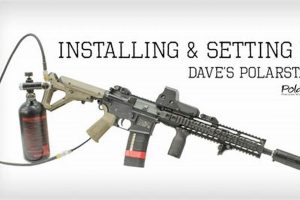
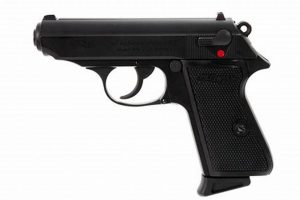
Replica firearms are central to the activity, serving as the primary tool for simulated combat. These devices closely resemble actual firearms in appearance and operation, firing plastic projectiles. Their design and functionality dictate the rules of engagement, safety protocols, and tactical considerations within this simulated combat environment.
- Power Sources and Projectile Velocity
These replicas typically utilize compressed gas (CO2 or green gas) or electric motors to propel projectiles. Projectile velocity is a critical factor, as it determines effective range and potential impact force. Regulations often limit maximum velocity to ensure participant safety, mitigating the risk of injury during engagements. Chronographs are typically used to measure and regulate replica output prior to games.
- Realistic Design and Operation
Many replica firearms are meticulously designed to replicate the appearance and operation of real-world firearms. This realism enhances the immersive experience and allows participants to simulate tactical scenarios with greater fidelity. Features such as blowback action, realistic magazine capacities, and functioning fire selectors contribute to the authenticity of the simulated combat.
- Material Composition and Durability
The materials used in the construction of replica firearms vary, ranging from durable polymers to metal alloys. The durability of these replicas is a key consideration, as they are subjected to rigorous use in diverse environmental conditions. Robust construction ensures reliable performance and longevity, minimizing the risk of malfunction during engagements. Certain regulations exist regarding the color and markings of these replicas to distinguish them from actual firearms.
- Accuracy and Effective Range
Accuracy and effective range are important factors in determining the effectiveness of replica firearms. Accuracy is influenced by factors such as barrel length, hop-up systems (which impart backspin to the projectile for increased range), and the quality of the projectiles used. Effective range is limited by projectile velocity and trajectory, necessitating strategic positioning and accurate aiming. Aftermarket upgrades are frequently implemented to enhance the accuracy and range of these devices.
The characteristics of replica firearms directly influence tactical planning, engagement distances, and overall participant experience within the simulated combat environment. Adherence to safety regulations, proper maintenance, and responsible handling are paramount to ensuring safe and enjoyable engagements. The technology and design considerations of these replicas are constantly evolving, further blurring the line between simulation and reality.
3. Protective Gear

Protective gear is an indispensable element within simulated combat activities, mitigating the inherent risks associated with projectile impact. Its utilization is not merely recommended; it is a fundamental requirement for safe participation. The protective equipment used directly influences the degree of injury mitigation and participant confidence during engagements.
- Eye Protection: Essential Safeguard
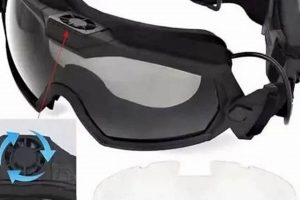
Eye protection, typically in the form of full-seal goggles or approved safety glasses, is paramount. Projectile impact to the eye can result in severe and permanent injury. Eye protection must meet or exceed industry standards for impact resistance, ensuring adequate safeguarding against projectile strikes. Mesh-style eye protection is generally discouraged due to the potential for projectile fragments to pass through. Examples of approved standards include ANSI Z87.1. Ensuring proper fit and seal is critical to prevent projectile entry from gaps around the periphery of the eye protection.
- Facial Protection: Mitigating Impact Trauma
Facial protection, ranging from lower-face mesh masks to full-face helmets, safeguards vulnerable facial areas from direct projectile impact. Teeth, noses, and other facial features are susceptible to injury without adequate protection. Full-face helmets provide comprehensive coverage, offering enhanced protection compared to lower-face masks. The choice of facial protection depends on individual preferences and risk tolerance. However, consistent utilization of some form of facial protection is essential.
- Body Armor and Layering: Dampening Projectile Force
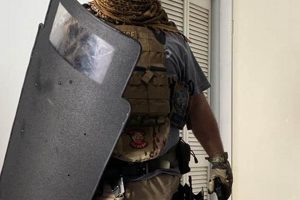
Body armor, while not always mandatory, can enhance protection against projectile impact to the torso. Vests, plate carriers, and other forms of body armor distribute impact force, reducing the likelihood of bruising and discomfort. Layering clothing can also provide a degree of protection, dampening the force of projectile impacts. The use of padded clothing or specialized impact-resistant garments can further enhance torso protection. The necessity for and type of body armor chosen depends on the engagement environment and intensity.
- Head Protection: Shielding Against Concussion
Head protection, typically in the form of helmets or padded headgear, mitigates the risk of head injuries resulting from accidental falls or impacts with solid objects. While projectiles fired during this activity are unlikely to cause serious head trauma, head protection provides an additional layer of safety. Helmets also offer mounting points for accessories such as cameras or communication devices. The specific type of head protection selected depends on individual preferences and the anticipated level of physical exertion.
The consistent and proper utilization of protective gear is not merely a suggestion, but a fundamental requirement for safe participation in this recreational activity. The degree of protection afforded by protective equipment directly influences the risk of injury and the overall enjoyment of the simulated combat experience. Regular inspection and maintenance of protective gear are essential to ensure its continued effectiveness. Selecting appropriate protective gear that meets or exceeds industry standards is a critical responsibility for all participants.
4. Team Strategy

Team strategy constitutes a cornerstone of successful engagement in simulated combat activities. Its effective implementation directly influences mission outcomes, promoting efficiency, minimizing casualties, and maximizing overall team performance within the context of the simulated combat environment.
- Communication Protocols
Established communication protocols are paramount for disseminating critical information, coordinating movements, and adapting to evolving battlefield dynamics. Standardized terminology, pre-defined call signs, and clear communication channels minimize ambiguity and facilitate rapid decision-making. For example, a designated spotter might use specific codes to indicate enemy positions, enabling teammates to adjust their tactics accordingly. Lack of clear communication can lead to confusion, friendly fire incidents, and compromised objectives.
- Role Specialization
Assigning specialized roles to team members based on their individual skill sets and equipment configurations optimizes overall effectiveness. Snipers provide long-range reconnaissance and target elimination, grenadiers suppress enemy positions, and medics provide on-field support. Clear role definitions ensure that tasks are efficiently allocated and that team members can focus on their designated responsibilities. However, it is important that individuals are trained in different roles in order to adapt to dynamic tactical environments.
- Maneuver Tactics
Employing coordinated maneuver tactics allows teams to gain positional advantages, exploit enemy weaknesses, and achieve strategic objectives. Flanking maneuvers, suppressive fire tactics, and coordinated assaults are examples of maneuver tactics that can overwhelm opposing forces. The successful execution of maneuver tactics requires precise timing, clear communication, and a thorough understanding of the battlefield environment. Static defensive postures are often vulnerable to flanking attacks and concentrated fire.
- Adaptability and Improvisation
The ability to adapt to unforeseen circumstances and improvise solutions is crucial for success in dynamic combat scenarios. Unexpected enemy movements, equipment malfunctions, and changing environmental conditions require teams to adjust their strategies on the fly. Improvisation involves leveraging available resources and adapting planned tactics to overcome unexpected challenges. Rigidity in tactical planning can lead to failure in the face of unforeseen circumstances. Teams that foster creativity and adaptability are better equipped to succeed in unpredictable combat situations.
These strategic facets, when implemented effectively, contribute significantly to team success in simulated combat activities. The ability to communicate clearly, assign specialized roles, execute coordinated maneuvers, and adapt to changing circumstances separates successful teams from those that struggle to achieve their objectives. Continual refinement of team strategy through post-engagement analysis and training is essential for maintaining a competitive edge.
5. Scenario Objectives
Scenario objectives provide the framework within which simulated combat engagements unfold, shaping tactical decisions and dictating the overall direction of participant activities. These objectives translate the potential energy of the field and equipment into directed action, giving participants purpose and structure. It is through scenario objectives that the activity gains its compelling, immersive quality.
- Capture the Flag: Territorial Control and Strategic Advancement
Capture the flag scenarios involve teams attempting to seize a flag from their opponent’s base while simultaneously defending their own. Success requires coordinated offensive and defensive strategies, highlighting the importance of communication and teamwork. Real-world parallels can be drawn to military operations focused on territorial control or the seizure of strategic assets. In the context of the activity, capturing the flag necessitates careful planning, efficient execution, and adaptability in the face of enemy resistance.
- Team Deathmatch: Attrition Warfare and Eliminatory Tactics
Team deathmatch scenarios center around eliminating opposing team members to achieve a predetermined score or time limit. This type of objective emphasizes individual skill, tactical awareness, and the ability to effectively engage and neutralize threats. This mode encourages aggressive tactics and requires participants to maintain situational awareness. This mirrors some aspects of conventional military engagements, which aim to reduce the enemy’s combat effectiveness through attrition.
- Domination: Control Point Acquisition and Positional Warfare
Domination scenarios task teams with capturing and holding designated control points on the playing field. Maintaining control of these points awards points over time, requiring teams to balance offensive and defensive strategies. This game type reflects the dynamics of controlling key strategic locations, necessitating coordinated teamwork and sustained positional awareness. It highlights the importance of resource management and defensive fortification, with direct parallels in real-world military control point operations.
- VIP Escort: Protection and Extraction Tactics
VIP escort scenarios involve one team protecting a designated VIP while the opposing team attempts to eliminate or capture them. This type of objective highlights the importance of protective strategies, communication, and coordinated movement. Real-world examples include the protection of high-value individuals or the secure extraction of personnel from hostile environments. In this context, successful VIP escort requires teamwork, vigilance, and adaptability to changing threats.
The nature of scenario objectives profoundly influences participant behavior, tactical decision-making, and overall enjoyment of the activity. These diverse objective types offer varied challenges, catering to different play styles and promoting a wide range of strategic approaches. The design and implementation of scenario objectives contribute directly to the immersive and engaging nature of simulated combat. These objectives provide a purpose to which participants can orient their planning and tactics within the context of the game.
6. Safety Protocols
Safety protocols are paramount to mitigating risks associated with simulated combat activities. Adherence to these protocols is not optional; it is a prerequisite for participation. The protocols are structured to minimize the potential for injury and ensure a responsible and controlled environment.
- Mandatory Eye Protection
Eye protection, specifically full-seal goggles meeting or exceeding ANSI Z87.1 standards, is non-negotiable. Projectile impact to the eye can result in irreversible damage. Compliance is actively monitored and enforced before and during all engagements. Failure to adhere results in immediate expulsion. This is directly comparable to requiring proper safety glasses in any environment where flying debris is a possibility.
- Velocity Limits and Chronograph Testing
Replica firearms are subject to strict velocity limits, typically measured in feet per second (FPS) using standard weight projectiles. Chronograph testing is conducted prior to engagement to ensure compliance. Exceeding velocity limits poses an increased risk of injury and results in disqualification. This parallels adherence to speed limits on roadways, where exceeding the limit increases the likelihood and severity of accidents.
- Minimum Engagement Distances
Minimum engagement distances are established to prevent close-range engagements that could result in increased impact force. Participants are instructed to maintain a safe distance before firing, or to utilize an alternative method of engagement, such as verbal surrender, if distance is not achievable. This mirrors the “safe handling” guidelines in various sports and military applications.
- Prohibited Target Areas
Targeting specific areas, such as the head or groin, is strictly prohibited due to the increased potential for injury. Emphasis is placed on targeting the torso and extremities. Intentional or repeated targeting of prohibited areas results in disciplinary action. This parallels restrictions in contact sports designed to protect vulnerable areas and prevent serious injury.
These enumerated protocols represent fundamental aspects of responsible engagement. Diligent enforcement and participant adherence are crucial for maintaining a safe and enjoyable environment. The consistent application of these safety protocols is non-negotiable to the continued existence of this recreational activity.
Frequently Asked Questions
This section addresses common inquiries regarding the activity. The responses are designed to provide clear and concise information.
Question 1: What is the typical age range of participants?
While the specific age range may vary, a common requirement is a minimum age of 16 or 18 years, often with parental consent required for those under 18. This requirement is based on considerations related to maturity, responsible firearm handling, and assumption of risk. Age restrictions are strictly enforced.
Question 2: What types of replica firearms are permitted?
Permitted replica firearms typically adhere to specific velocity limits and design restrictions. Modifications that increase velocity beyond established limits are prohibited. Replica firearms must also conform to visual identifiers distinguishing them from actual firearms, such as orange tips or brightly colored bodies. Local regulations and field rules dictate specific permissible types.
Question 3: What constitutes acceptable eye protection?
Acceptable eye protection is defined as full-seal goggles or safety glasses meeting or exceeding ANSI Z87.1 standards for impact resistance. Mesh goggles are generally disallowed due to the potential for projectile fragments to pass through. Proper fit and seal are crucial to prevent projectile entry. Compromised eye protection is not permitted.
Question 4: What are the consequences of violating safety protocols?
Violation of safety protocols results in immediate consequences, ranging from temporary suspension to permanent expulsion from the engagement area. Serious violations, such as intentional targeting of prohibited areas or exceeding velocity limits, result in more severe penalties. The primary goal is to maintain a safe environment for all participants.
Question 5: Is prior experience required to participate?
Prior experience is not typically required, but participants are expected to familiarize themselves with safety protocols and basic gameplay rules before engaging. Introductory sessions and safety briefings are often provided to ensure all participants understand the fundamental aspects of the activity. New participants are typically paired with experienced players for guidance.
Question 6: What is the average cost of participation?
The average cost of participation varies depending on factors such as field fees, equipment rental or purchase, and projectile costs. Field fees typically range from \$20 to \$50 per day, while replica firearm rentals can cost between \$15 and \$30. Projectiles are an ongoing expense. Long-term participants often invest in their own equipment, which can range from several hundred to thousands of dollars.
Adherence to established protocols and a commitment to responsible conduct are essential for maintaining the integrity and safety of the activity.
The subsequent section will explore frequently asked questions about equipment choices to complement these strategic considerations, furthering overall preparedness and tactical proficiency.
Conclusion
This exposition has illuminated critical facets of the simulated combat activity known as “temple airsoft.” The analysis has encompassed field dynamics, replica firearm considerations, protective gear necessities, strategic team imperatives, scenario objective variability, and sacrosanct safety protocols. Understanding these elements is paramount for informed participation and responsible engagement.
Continued adherence to established guidelines, coupled with ongoing advancements in equipment and strategic thought, will shape the future of “temple airsoft.” The activity’s continued viability hinges upon the responsible conduct of participants and a commitment to fostering a safe and engaging environment. Future participants are encouraged to familiarize themselves with these precepts to promote the long-term sustainability of this recreational endeavor.