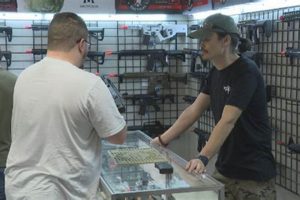
The cost associated with engaging in the airsoft hobby varies significantly depending on individual preferences and levels of participation. Initial investment can range from relatively modest expenditures on basic equipment to substantial financial commitments for high-end gear, tactical accessories, and specialized training. This financial aspect is a key consideration for prospective and current participants.
Understanding the budgetary demands is crucial for responsible planning and sustainable involvement in this recreational activity. Factors influencing the overall expense include the quality and type of equipment selected, frequency of play, and participation in organized events. Historically, as the popularity of the activity has grown, a wider range of price points for equipment and related services has emerged, making the hobby more accessible to diverse financial demographics.
The following discussion will delve into the specific components contributing to the overall expense of participating in airsoft, providing a detailed analysis of equipment costs, recurring operational expenditures, and potential financial implications of competitive play.
Mitigating Airsoft-Related Expenditure
Strategic planning and informed decision-making can significantly reduce the financial burden associated with airsoft. Prudent resource allocation allows for continued participation without undue economic strain.
Tip 1: Prioritize Essential Equipment: Focus initial investment on fundamental gear such as eye protection, a reliable airsoft replica, and appropriate footwear. Accessory purchases can be deferred until experience dictates necessity.
Tip 2: Research and Compare Prices: Thoroughly investigate various retailers and manufacturers to identify competitive pricing. Online forums and reviews can provide valuable insights into product performance and value.
Tip 3: Consider Used Equipment: Purchasing gently used airsoft replicas and gear from reputable sources or within established communities can yield substantial savings. Inspect items carefully before acquisition.
Tip 4: Maintain Equipment Diligently: Regular cleaning, lubrication, and proper storage prolong the lifespan of airsoft replicas and related equipment, minimizing the need for frequent replacements.
Tip 5: Participate in Free or Low-Cost Events: Opt for skirmishes at local fields with minimal entry fees or organize informal games with friends to reduce participation costs.
Tip 6: Budget for Ammunition and Consumables: Factor in the ongoing expense of BBs, propellant (gas or batteries), and other consumables when planning airsoft activities. Bulk purchasing can sometimes offer cost advantages.
Tip 7: Rent Before Committing: If unsure about long-term involvement, rent airsoft replicas and gear at local fields to experience the activity before making significant financial investments.
Implementing these strategies enables participants to enjoy the airsoft hobby without incurring excessive financial burdens. Careful planning and judicious spending are key to sustainable engagement.
The subsequent sections will address strategies for optimizing equipment selection and minimizing recurring costs to further enhance affordability within the airsoft community.
1. Initial Equipment Cost

The initial investment in airsoft equipment is a primary determinant in evaluating the overall expense of engaging in the hobby. The magnitude of this expenditure significantly influences accessibility and participation levels for prospective players.
- Airsoft Replica Price
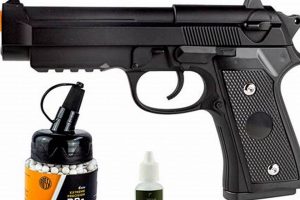
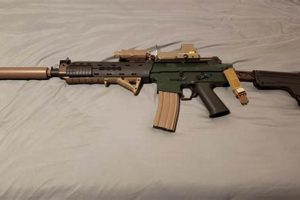
The cost of the airsoft replica itself constitutes a significant portion of the initial investment. Entry-level electric-powered replicas (AEGs) can range from \$100 to \$200, while higher-end models, gas blowback replicas (GBBs), and sniper rifles can easily exceed \$300 to \$500 or more. The type and quality of the replica chosen directly impact the initial outlay.
- Protective Gear Necessity
Mandatory safety equipment, including eye protection (goggles or a full face mask) and potentially face/mouth protection, represents an unavoidable initial cost. Quality eye protection can range from \$20 to \$50, while more comprehensive protective gear, such as tactical vests and knee/elbow pads, can add significantly to the total expense. Neglecting this aspect introduces safety hazards and potential long-term health costs.
- Basic Tactical Gear Requirements
Essential tactical gear, such as a magazine carrier, battery, and charger (for AEGs), contribute to the initial cost. A basic magazine carrier can cost \$15-\$30, while a decent smart charger and compatible battery can be \$30-\$60, respectively. The absence of these components renders the airsoft replica functionally inoperable.
- Clothing and Footwear Considerations
Appropriate clothing and footwear, while not always mandatory, are crucial for comfort and performance. Durable tactical pants and boots can range from \$50 to \$150 or more. While alternatives exist, specialized gear enhances the overall airsoft experience and reduces the risk of injury.
The cumulative effect of these initial equipment costs directly dictates the financial barrier to entry for airsoft. While less expensive options are available, investing in quality equipment enhances safety, performance, and the overall enjoyment of the activity. Budget constraints often necessitate prioritizing essential gear over optional accessories during the initial phase of involvement, directly affecting the perceived value of the hobby.
2. Recurring Ammunition Expense

Ammunition consumption represents a significant and ongoing expenditure in airsoft, directly influencing the perceived cost of the activity. Unlike some hobbies with a fixed upfront investment, airsoft requires continuous replenishment of ammunition, impacting long-term affordability.
- BB Quality and Price Variance
The type and quality of BBs significantly affect the recurring ammunition expense. Higher-grade BBs, characterized by consistent size and smooth surfaces, command a premium price compared to lower-quality alternatives. Choosing cheaper BBs can lead to malfunctions and damage to airsoft replicas, incurring additional repair costs that offset any initial savings. The trade-off between price and performance is a critical consideration.
- Rate of Fire and Consumption Volume
The rate of fire of the airsoft replica, measured in rounds per minute (RPM), directly correlates with ammunition consumption. High-rate-of-fire AEGs or gas blowback replicas consume BBs at a faster rate, increasing the frequency and volume of ammunition purchases. Gameplay style, such as suppressive fire tactics, further exacerbates consumption rates, leading to higher recurring costs.
- Game Duration and Frequency
The duration and frequency of airsoft games directly impact ammunition expenditure. Longer games and more frequent participation necessitate a greater supply of BBs. Players who engage in regular skirmishes or MilSim events should anticipate a higher recurring ammunition expense compared to those who participate less frequently. Preparation for extended gameplay requires adequate ammunition reserves, influencing overall budgeting.
- Bulk Purchasing vs. Retail Acquisition
Ammunition can be purchased in bulk or at retail locations. Bulk purchasing often yields a lower per-unit cost, offering potential savings for frequent players. However, it requires a larger upfront investment and adequate storage space. Retail acquisition provides flexibility for smaller purchases but typically incurs a higher per-unit price. The choice between bulk purchasing and retail acquisition influences the magnitude and timing of recurring ammunition expenses.
The factors of BB quality, rate of fire, game frequency, and purchasing strategy collectively determine the extent of recurring ammunition expenses in airsoft. Players seeking to mitigate these costs should carefully evaluate their gameplay style, equipment choices, and purchasing options to optimize ammunition usage and minimize the financial burden. This optimization is essential for managing the overall cost of participating in airsoft.
3. Field Fees/Membership

Access to designated airsoft fields typically incurs a cost, either through per-session field fees or recurring membership dues. These charges represent a direct financial contribution to the overall expense associated with airsoft. The presence or absence of convenient and affordable fields materially impacts the accessibility and attractiveness of the hobby. For example, consistent engagement at a commercial field charging \$30 per session can quickly accumulate, potentially exceeding the cost of the airsoft replica itself over time. Conversely, a seasonal membership, offering unlimited access for a fixed price, might represent a more economical option for frequent players. The availability and pricing structure of local fields significantly shape the perceived affordability of airsoft.
Field fees and membership dues contribute to the operational costs of maintaining and operating airsoft facilities. These funds are often allocated to field upkeep, insurance coverage, and staff compensation. Fields with advanced features, such as staged environments, electronic scoring systems, or on-site equipment rentals, generally command higher fees. The perceived value of these additional amenities influences players’ willingness to pay a premium. The geographic location of the field also plays a role in determining pricing; fields located in densely populated areas or regions with higher operating costs may charge more than those in rural or less expensive locales. These factors collectively impact the financial barrier to entry and sustained participation in the activity.
The financial implications of field fees and membership underscore the importance of researching and comparing available options within a given region. Players should consider their anticipated frequency of play and budgetary constraints when deciding between per-session fees and membership plans. Exploring alternative options, such as organizing private games on suitable land with appropriate permissions, can mitigate the cost of accessing established airsoft fields. Ultimately, a comprehensive understanding of field fee structures is essential for effective budgeting and ensuring the long-term sustainability of participation in the airsoft hobby.
4. Gear Upgrades Frequency

The rate at which airsoft participants upgrade their equipment is a significant determinant of the overall cost associated with the hobby. The pursuit of enhanced performance, tactical advantage, or aesthetic customization can lead to frequent equipment modifications, substantially escalating expenditure.
- Performance Enhancement Components
Upgrading internal components such as motors, gears, and hop-up units to improve range, accuracy, and rate of fire is a common practice. These upgrades often involve the acquisition of aftermarket parts, which can range from \$20 to \$100 or more per component. The cumulative cost of multiple performance-enhancing modifications can quickly become substantial, impacting the overall financial burden.
- Tactical Accessory Integration
The addition of tactical accessories, including optics, lasers, flashlights, and foregrips, can significantly alter the functionality and appearance of an airsoft replica. These accessories range in price from \$30 for basic attachments to several hundred dollars for high-end optics. Frequent acquisition of tactical accessories driven by evolving tactical preferences or the desire for enhanced realism contributes to escalating costs.
- External Modification and Customization
Modifying the external appearance of an airsoft replica through the addition of new stocks, handguards, or paint jobs allows for personalized customization. Aftermarket stocks and handguards can range from \$50 to \$200, while custom paint jobs can cost several hundred dollars depending on the complexity and artistry involved. The desire to create a unique and visually appealing replica can drive frequent external modifications, resulting in a notable increase in expenditure.
- Compatibility and Installation Considerations
Upgrading airsoft equipment often requires specialized tools, technical knowledge, and potentially professional installation services. Incompatible parts or improper installation can lead to malfunctions or damage, necessitating further repairs or replacements. The cost of tools, installation fees, and potential repair costs associated with upgrades should be factored into the overall assessment of the financial implications of gear upgrades.
The decision to frequently upgrade airsoft equipment is often driven by a desire for enhanced performance, tactical advantage, or aesthetic customization. However, the cumulative cost of these modifications, coupled with the potential for compatibility issues and installation expenses, can significantly increase the overall financial commitment required to participate in the hobby. Prudent planning and a clear understanding of upgrade priorities are essential for managing gear upgrade expenses effectively.
5. Maintenance/Repair Costs

The expenses associated with maintaining and repairing airsoft equipment represent a significant, often overlooked, factor in determining the overall financial burden of the hobby. Regular upkeep and occasional repairs are essential to ensure optimal performance and longevity, directly influencing the long-term cost of participation.
- Component Degradation and Wear
Internal components of airsoft replicas, such as gears, pistons, and hop-up buckings, are subject to wear and tear during regular use. Friction, stress, and environmental factors contribute to gradual degradation, eventually necessitating replacement. The frequency of component replacement depends on the quality of the replica, the intensity of use, and the effectiveness of preventative maintenance. Neglecting worn components can lead to further damage and more costly repairs, increasing the overall expense.
- Lubrication and Cleaning Regimen
Proper lubrication is crucial for reducing friction and preventing premature wear in airsoft replicas. Regular cleaning removes dirt, debris, and residue that can impede performance and accelerate component degradation. Specialized lubricants and cleaning agents are often required, adding to the overall maintenance cost. A consistent lubrication and cleaning regimen can extend the lifespan of airsoft equipment and minimize the need for costly repairs.
- Malfunctions and Breakdowns
Airsoft replicas, like any mechanical device, are susceptible to malfunctions and breakdowns. These can range from minor issues, such as jammed BBs, to more serious problems, such as broken gears or damaged motors. Repairing these malfunctions often requires specialized tools, technical expertise, and replacement parts. The cost of repairs can vary significantly depending on the complexity of the issue and the availability of replacement parts. Some repairs may necessitate professional servicing, incurring additional labor costs.
- Preventative Maintenance vs. Reactive Repair
Investing in preventative maintenance can mitigate the risk of costly repairs. Regular inspections, lubrication, and component replacements performed proactively can identify and address potential problems before they escalate into major malfunctions. Reactive repair, on the other hand, involves addressing issues only after they arise, often resulting in more extensive damage and higher repair costs. A proactive approach to maintenance reduces the likelihood of unexpected breakdowns and minimizes the overall long-term expense.
The cost of maintenance and repair is an intrinsic aspect of airsoft participation. Proactive preventative maintenance can significantly reduce the likelihood of costly reactive repairs, ultimately lowering the overall financial burden. Careful attention to equipment upkeep, coupled with a basic understanding of repair procedures, is essential for managing the long-term expenses associated with the hobby.
6. Travel to Events
Participation in organized airsoft events often necessitates travel, introducing a variable expense directly correlated to the distance and duration of the journey. The magnitude of this expenditure influences the perceived affordability of the hobby, particularly for individuals residing far from established airsoft fields or specialized event locations. For example, attending a national-level MilSim event may require significant travel, incurring costs for transportation, accommodation, and potentially meals, effectively doubling or tripling the overall cost of participation compared to a local skirmish. The frequency and distance of travel required for airsoft events constitute a tangible component of the overall expense.
Transportation methods, ranging from personal vehicles to commercial air travel, contribute differentially to the financial burden. Utilizing a personal vehicle incurs costs for fuel, maintenance, and potential tolls, while air travel involves airfare, airport parking, and potential baggage fees for transporting airsoft equipment. Accommodation options, ranging from budget-friendly camping to hotel stays, further impact the total travel expenditure. Event organizers may offer bundled packages that include event registration, accommodation, and meals, providing potential cost savings compared to arranging each component separately. Practical application involves carefully evaluating travel options, considering both cost and convenience, to minimize the financial impact of attending airsoft events.
In summary, travel to airsoft events represents a significant, and often unavoidable, expense for participants. The distance to the event, mode of transportation, and accommodation choices collectively determine the magnitude of this expenditure. Strategic planning, including exploring cost-effective travel options and bundled event packages, can mitigate the financial burden. Understanding the implications of travel costs is essential for budgeting effectively and ensuring sustainable participation in the airsoft hobby.
7. Competitive Play Expenses
Engagement in competitive airsoft elevates the financial commitment beyond recreational participation. Costs associated with competitive play encompass entry fees, specialized equipment, and rigorous training, significantly influencing the overall expense of the hobby.
- Tournament Entry Fees
Participation in organized tournaments and competitive events typically requires payment of entry fees. These fees cover event organization, field rental, and prizes. Entry fees can range from modest sums for local skirmishes to substantial amounts for national-level competitions. The frequency of competitive participation directly correlates with the cumulative expenditure on entry fees, increasing the overall cost.
- Specialized Equipment Requirements
Competitive airsoft often necessitates specialized equipment beyond standard recreational gear. This may include high-performance airsoft replicas, upgraded internal components, and advanced tactical accessories. Compliance with event-specific rules and regulations regarding equipment further drives the demand for specialized gear. The acquisition of this specialized equipment represents a significant incremental cost beyond basic airsoft expenditure.
- Training and Skill Development
Competitive success requires dedicated training and skill development. This may involve attending specialized airsoft training courses, participating in practice scrimmages, and investing in personal physical conditioning. Training courses can incur substantial fees, and practice scrimmages often involve additional field fees and ammunition expenses. The pursuit of competitive excellence necessitates ongoing financial investment in skill development.
- Team Membership and Travel Costs
Competitive airsoft is frequently pursued within the context of organized teams. Team membership may entail dues, uniform costs, and shared equipment expenses. Participation in regional or national tournaments often requires team travel, incurring expenses for transportation, accommodation, and meals. Team-related expenses contribute significantly to the overall cost of competitive airsoft participation.
The aforementioned components underscore the heightened financial demands of competitive airsoft. Tournament entry fees, specialized equipment requirements, training costs, and team-related expenses collectively elevate the financial commitment compared to recreational play. Individuals contemplating competitive participation must carefully assess these expenses and develop a robust budget to ensure sustainable engagement.
Frequently Asked Questions
The following questions address common concerns regarding the financial aspects of participating in the airsoft hobby, providing concise and informative answers.
Question 1: What constitutes the primary financial outlay when initiating airsoft participation?
The initial investment in airsoft revolves primarily around acquiring essential equipment, including a functional airsoft replica, mandatory eye protection, and a power source (battery or gas). These items represent the minimum required investment to participate safely and effectively.
Question 2: How do recurring expenses factor into the overall cost of airsoft?
Recurring expenses in airsoft primarily involve ammunition (BBs), propellant (gas or batteries), and field fees (or membership dues). These costs are ongoing and directly proportional to the frequency and intensity of participation.
Question 3: Does the type of airsoft replica significantly impact the financial burden?
The type of airsoft replica selected profoundly influences the overall expense. High-end gas blowback replicas and sniper rifles command a premium price compared to entry-level electric-powered replicas (AEGs). Additionally, specialized replicas may require proprietary parts and maintenance procedures, further increasing the cost.
Question 4: Are there viable strategies for mitigating the financial implications of airsoft?
Effective strategies for mitigating airsoft-related expenditure include prioritizing essential equipment purchases, comparing prices across retailers, considering used equipment options, and diligently maintaining existing equipment to prolong its lifespan.
Question 5: What role do field fees and membership dues play in the cost of airsoft?
Field fees and membership dues represent a direct financial contribution to accessing designated airsoft facilities. The pricing structure and accessibility of local fields significantly influence the perceived affordability of the hobby. Players should carefully evaluate their anticipated frequency of play when deciding between per-session fees and membership plans.
Question 6: How does competitive airsoft participation impact overall financial expenditure?
Engagement in competitive airsoft elevates the financial commitment due to tournament entry fees, specialized equipment requirements, training costs, and potential team-related expenses. A robust budget is essential for sustainable participation in competitive airsoft.
In conclusion, responsible financial planning is crucial for sustainable engagement in airsoft. By understanding the various cost drivers and implementing effective mitigation strategies, individuals can enjoy the hobby without incurring undue financial strain.
The following section provides a summary of key takeaways from this discussion regarding the financial implications of airsoft participation.
Airsoft Expense Assessment
This examination confirms that the financial commitment required for airsoft participation is variable and dependent upon individual choices. While initial equipment outlays represent a significant upfront investment, recurring expenses such as ammunition, field fees, and potential equipment upgrades contribute substantially to the long-term cost. Engagement in competitive play further amplifies financial demands, necessitating careful budgetary considerations.
A thorough understanding of these financial implications empowers informed decision-making regarding participation levels and resource allocation. Prospective and current players should diligently assess their financial capacity and prioritize expenditures to ensure sustainable and responsible involvement in the airsoft community. Strategic planning and prudent resource management are essential for mitigating financial burdens and maximizing the value derived from this recreational activity.