![Top HK Airsoft Pistol [Guide] | Best Replica HKs](data:image/svg+xml;base64,PHN2ZyB4bWxucz0iaHR0cDovL3d3dy53My5vcmcvMjAwMC9zdmciIHdpZHRoPSI0NzQiIGhlaWdodD0iOTkiIHZpZXdCb3g9IjAgMCA0NzQgOTkiPjxyZWN0IHdpZHRoPSIxMDAlIiBoZWlnaHQ9IjEwMCUiIHN0eWxlPSJmaWxsOiNjZmQ0ZGI7ZmlsbC1vcGFjaXR5OiAwLjE7Ii8+PC9zdmc+ "Top HK Airsoft Pistol [Guide] | Best Replica HKs Ultimate Airsoft Guide for Beginners, Tactics & Gear Reviews")
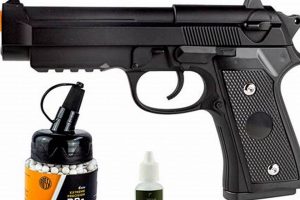
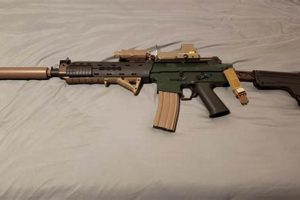
Replicas designed to resemble firearms manufactured by Heckler & Koch, adapted to fire non-lethal projectiles using compressed gas or springs, are commonly used in recreational shooting sports. These realistic imitations offer a safe alternative for training and simulation exercises. An example would be a gas-blowback model closely mirroring the appearance and operation of a specific H&K sidearm.
These items provide enthusiasts with a cost-effective and accessible way to experience the look and feel of authentic firearms without the regulatory constraints and safety concerns associated with live ammunition. Historically, their popularity has grown alongside the increasing interest in tactical simulations and competitive shooting disciplines. The benefits include enhanced realism in training scenarios and the opportunity to develop firearm handling skills in a controlled environment.
The following sections will delve into the different types of these replicas available, focusing on their mechanisms, materials, and suitability for various applications. Safety considerations and responsible usage guidelines will also be addressed, ensuring a comprehensive understanding of this equipment.
Essential Considerations for Owning and Maintaining a Replica H&K Firearm
Effective ownership necessitates an understanding of best practices to ensure longevity, performance, and safe operation.
Tip 1: Prioritize Eye Protection: Always wear ANSI-rated eye protection when handling or using a replica. Projectiles, even at low velocities, can cause serious eye injury.
Tip 2: Utilize the Correct Propellant: Employ only the recommended type and pressure of gas or springs designated by the manufacturer. Incorrect propellants can damage internal components or lead to malfunctions.
Tip 3: Regular Cleaning and Lubrication are Crucial: After each use, clean the barrel and moving parts to remove debris and apply a silicone-based lubricant to reduce friction and prevent corrosion.
Tip 4: Proper Storage is Essential: Store the replica in a secure location, away from extreme temperatures, humidity, and direct sunlight. This will help prevent warping, rust, and degradation of materials.
Tip 5: Handle with Respect: Treat the replica with the same respect one would a real firearm. Never point it at anything you do not intend to shoot, and keep the muzzle pointed in a safe direction.
Tip 6: Understand Local Regulations: Familiarize yourself with all applicable local laws and regulations regarding the ownership, transportation, and use of replica firearms. Compliance is mandatory.
Tip 7: Regular Maintenance Checks: Periodically inspect the replica for signs of wear and tear, such as cracks, loose screws, or damaged seals. Address any issues promptly to prevent further damage or safety hazards.
Adhering to these guidelines will maximize the enjoyment and safe usage of the equipment, while also extending its lifespan. Neglecting these points can lead to performance degradation, potential hazards, and costly repairs.
The subsequent sections will explore specific models and their performance characteristics in detail, providing a deeper understanding of their capabilities and limitations.
1. Realism

The degree of faithful replication in an airsoft replica significantly influences its utility, particularly in training and simulation scenarios. With H&K airsoft pistols, realism extends beyond cosmetic similarities; it includes replicating the weight, dimensions, controls, and operating mechanisms of the original firearm. This fidelity directly impacts the transferability of skills learned during airsoft training to real-world firearm handling. For instance, a model with a functioning decocking lever and realistic trigger pull allows users to practice weapon manipulation in a safe and controlled environment, reinforcing muscle memory and procedural understanding.
A heightened sense of realism also enhances the overall engagement and immersion for recreational users and collectors. The closer an airsoft pistol resembles its real-steel counterpart, the more compelling it becomes for historical reenactments, film props, and display purposes. Furthermore, realistic disassembly procedures, as found in some high-end models, provide opportunities for users to learn about the internal workings of a firearm without the risks associated with handling a live weapon. Manufacturers often strive to incorporate authentic markings and finishes to further enhance the realism, contributing to the value and appeal of these replicas.
In summary, realism in H&K airsoft pistols serves multiple purposes, ranging from practical training applications to recreational enjoyment and collection. The challenges lie in balancing the cost of achieving high levels of realism with market demand and regulatory restrictions. However, the demand for increasingly realistic replicas suggests that this component will remain a central focus for manufacturers seeking to cater to the needs of discerning airsoft enthusiasts and professionals.
2. Gas Efficiency

Gas efficiency in the context of H&K airsoft pistols directly impacts the user’s operational capabilities and cost-effectiveness. It determines the number of shots achievable per gas fill, influencing gameplay duration and the overall expense of propellant consumption. The efficiency is governed by a complex interplay of design factors, material properties, and environmental conditions.
- Valve Design and Seal Integrity
The design of the gas valve and the integrity of its seals are paramount. A poorly designed valve can lead to excessive gas leakage during each firing cycle. Similarly, degraded or improperly seated seals result in wasted propellant. This is manifested as a lower number of shots per gas fill and inconsistent velocity. For example, a worn valve o-ring can reduce gas efficiency by as much as 30%, requiring more frequent refills and impacting performance during extended skirmishes.
- Bore Diameter and Barrel Length
The bore diameter of the inner barrel and its length also influence gas consumption. A wider bore requires more gas to propel the BB, while a longer barrel may allow for more efficient acceleration of the projectile, optimizing the gas usage. However, excessively long barrels can also lead to increased frictional losses, negating the efficiency gains. Balancing these factors is crucial for optimal performance. In some H&K replica models, modifications to the barrel length have shown measurable improvements in gas efficiency without sacrificing accuracy.
- Gas Type and Ambient Temperature
The type of gas used (e.g., green gas, propane, CO2) and the ambient temperature exert significant effects. Different gases possess varying pressures and expansion properties. Furthermore, lower temperatures reduce gas pressure, diminishing efficiency and power. Green gas and propane, commonly used in airsoft, exhibit sensitivity to temperature fluctuations. CO2, while less temperature-dependent, can exert higher pressures, potentially stressing the replica’s components if not designed for it. Field tests demonstrate significant variations in performance depending on these factors, highlighting the importance of selecting the appropriate gas for the prevailing conditions.
- Blowback Mechanism Design
The design of the blowback system, which simulates recoil action, plays a crucial role. A heavier slide requires more gas to cycle, reducing the number of shots per fill. A more efficient design will minimize gas waste during the blowback cycle. Some models feature adjustable blowback systems or reduced-weight slides to improve gas efficiency. This directly impacts the shooter’s ability to maintain a consistent rate of fire in simulated scenarios.
These interdependent factors collectively determine the gas efficiency of H&K airsoft pistols. Optimizing each element is essential for maximizing the performance, minimizing operational costs, and ensuring reliable operation in diverse environmental conditions. Understanding these nuances allows users to make informed decisions when selecting and maintaining their equipment, optimizing their experiences with the replicas.
3. Build Quality

The constructional integrity of a replica H&K firearm directly determines its longevity, operational reliability, and overall performance under varied conditions. Material selection, manufacturing precision, and assembly techniques collectively define its capacity to withstand wear, stress, and the rigors of regular use.
- Material Composition and Durability
The materials employed in the construction, such as metal alloys (aluminum, zinc, steel) and polymers, dictate the structural resilience. High-stress components, like the slide and barrel, benefit from robust metals, whereas polymers can reduce weight and improve impact resistance in the frame. The quality of these materials and their resistance to corrosion, deformation, and fracture significantly influence the lifespan of the replica. Lower-grade materials are prone to premature failure under repeated stress, leading to malfunctions and reduced performance. For instance, a slide constructed from a weak alloy may crack or warp under the repetitive stress of gas blowback, compromising its functionality.
- Manufacturing Tolerances and Precision
Precise machining and tight manufacturing tolerances are critical for proper fit and function. Minute discrepancies in component dimensions can lead to friction, binding, and inconsistent performance. A well-machined replica will exhibit smooth operation, minimal wobble, and consistent gas sealing. Conversely, loose tolerances can introduce significant performance issues, such as air leaks, reduced accuracy, and increased wear on internal components. Close examination of the fit and finish reveals the level of manufacturing precision employed, serving as an indicator of overall quality.
- Assembly Quality and Component Integration
The manner in which the individual components are assembled directly impacts the overall structural integrity. Secure fastening methods, proper alignment, and careful integration of internal mechanisms are essential for reliable operation. Poor assembly can result in loose parts, misaligned components, and compromised functionality. For example, a poorly installed hop-up unit can significantly reduce accuracy and effective range. Quality control during the assembly process is crucial to identify and rectify any defects, ensuring the replica meets the specified performance standards.
- Finish and Surface Treatment
The surface finish and protective coatings applied to the exterior of the H&K airsoft pistol contribute to its resistance against wear, corrosion, and environmental factors. High-quality finishes, such as anodizing or Cerakote, provide a durable and aesthetically pleasing surface that can withstand abrasion and exposure to moisture. A well-applied finish not only enhances the appearance but also protects the underlying materials from degradation, extending the life of the replica. Conversely, a poorly applied or low-quality finish may chip, scratch, or corrode easily, diminishing the aesthetic appeal and potentially exposing the underlying materials to damage.
The overall constructional integrity defines the durability, reliability, and operational performance. Scrutinizing the material composition, manufacturing precision, assembly quality, and finish provides a comprehensive assessment of build quality, ultimately determining its long-term value and suitability for intended use.
4. Accuracy

Precision in projectile trajectory is paramount in evaluating the performance of any airsoft replica. For those modeled after Heckler & Koch firearms, this attribute determines their efficacy in training scenarios, competitive shooting, and recreational use. Accuracy is not a singular characteristic but a confluence of design and operational elements.
- Hop-Up System Functionality
The hop-up system imparts backspin to the projectile, extending its range by counteracting gravity. The effectiveness of this system directly correlates to achievable precision. Consistent backspin is critical; variations lead to unpredictable trajectories and reduced accuracy. Adjustability is also crucial, allowing users to fine-tune the system for different projectile weights and environmental conditions. A well-calibrated hop-up significantly enhances the practical range and hit probability of the replica, while a poorly designed or maintained system can negate other advantageous features.
- Barrel Quality and Inner Diameter
The internal surface finish and precise diameter of the barrel play a significant role in directing the projectile. A smooth, consistent bore minimizes friction and promotes a more stable flight path. Tighter bore diameters may enhance precision but can also increase the risk of projectile jams if lower-quality ammunition is used. The barrel’s material composition also affects performance; stainless steel barrels offer durability and resistance to wear, maintaining consistent performance over time. Variations in the barrel’s internal dimensions can lead to erratic projectile behavior and diminished precision.
- Projectile Quality and Consistency
The quality and consistency of the projectiles themselves directly influence accuracy. Variations in weight, diameter, and surface finish introduce inconsistencies in flight trajectory. High-quality, precision-manufactured projectiles minimize these variations, resulting in tighter groupings and improved overall accuracy. Using low-quality or damaged projectiles introduces unpredictable elements, undermining the performance of even the most precisely engineered replicas. The choice of projectile material, such as biodegradable options, may also affect flight characteristics.
- Sighting System and User Proficiency
The presence and quality of the sighting system, whether iron sights or optical attachments, determine the user’s ability to aim accurately. Clear, adjustable sights facilitate precise targeting, especially at extended ranges. However, the effectiveness of any sighting system is contingent on the user’s proficiency in aiming and consistent application of proper shooting techniques. Regular practice and familiarity with the replica are essential for maximizing accuracy, regardless of the quality of the hardware.
These facets collectively define the achievable precision of an H&K airsoft pistol. Maximizing accuracy requires a holistic approach, considering the interplay between internal mechanisms, ammunition quality, and user skill. Even the most meticulously crafted replica will underperform if any of these elements are neglected, highlighting the interconnected nature of accuracy in airsoft applications.
5. Maintenance
Regular upkeep is crucial for the sustained functionality and optimal performance of any H&K airsoft pistol. Neglecting maintenance protocols directly correlates with diminished operational lifespan, compromised accuracy, and potential safety hazards. The intricate internal mechanisms of these replicas, particularly gas-powered models, are susceptible to wear, contamination, and the accumulation of debris from prolonged usage and environmental exposure. A lack of consistent care precipitates issues ranging from decreased gas efficiency and inconsistent projectile velocity to complete mechanical failure. For instance, failure to regularly lubricate the gas valve assembly can lead to seal degradation, resulting in gas leaks and a significant reduction in power and shot consistency. Similarly, the accumulation of dirt and debris within the barrel impacts projectile trajectory, negatively affecting accuracy.
Preventative maintenance, encompassing cleaning, lubrication, and component inspection, mitigates these risks. Cleaning the barrel after each use removes residue that can impede projectile flight. Applying silicone-based lubricants to moving parts reduces friction and prevents corrosion, ensuring smooth operation and extending component lifespan. Regularly inspecting seals, O-rings, and other critical parts allows for early detection of wear or damage, facilitating timely repairs and preventing more significant issues. In the context of training or competitive scenarios, a well-maintained replica provides a distinct advantage, minimizing the likelihood of malfunctions and ensuring consistent performance under pressure. Furthermore, proper maintenance habits contribute to the safe handling of replicas, reducing the risk of accidental discharge or component failure during operation.
In conclusion, maintenance is not a peripheral consideration but an integral aspect of responsible ownership and effective utilization. The mechanical complexity and operational demands necessitate adherence to established maintenance procedures to guarantee sustained performance, enhance safety, and maximize the investment in H&K airsoft pistols. Consistent implementation of these practices ensures prolonged utility, reliable operation, and peace of mind for the user.
6. Regulation
Legal stipulations surrounding the possession, transportation, and use of replicas resembling Heckler & Koch firearms vary significantly across jurisdictions. These regulations, driven by concerns regarding public safety and the potential for misuse, directly impact the accessibility and lawful application of these items. Failure to adhere to applicable legal frameworks can result in penalties ranging from fines and confiscation to criminal charges. Therefore, comprehensive understanding of regional laws is paramount for responsible ownership.
The specific requirements often hinge on factors such as the replica’s appearance, intended use, and the age of the user. Many jurisdictions mandate the presence of a blaze orange tip to distinguish replicas from genuine firearms, thereby mitigating the risk of confusion by law enforcement. Some locales impose restrictions on the public display or open carry of airsoft devices, while others require specific storage protocols to prevent unauthorized access. The sale and ownership may be subject to minimum age restrictions, background checks, or licensing requirements, depending on local ordinances. A practical example is the requirement in some European countries for airsoft devices to be painted bright colors, rendering them easily identifiable as non-lethal.
In summation, regulatory compliance is a non-negotiable aspect of owning and utilizing airsoft devices that are replicas of specific firearms. Adherence to legal mandates minimizes the potential for legal repercussions and promotes responsible participation in airsoft activities. Navigating the complexities of varying jurisdictional requirements necessitates diligent research and a commitment to responsible conduct. Ignoring these considerations risks legal consequences and undermines the legitimacy of the airsoft community.
7. Safety
The secure handling and responsible usage of replicas mirroring Heckler & Koch firearms are of paramount importance. These items, while non-lethal, possess the potential to cause injury if mishandled or used without appropriate precautions. The following points emphasize critical safety considerations regarding their operation and storage.
- Eye Protection Protocols
The mandatory use of ANSI-rated eye protection minimizes the risk of ocular trauma from projectile impact. Airsoft projectiles, even at relatively low velocities, can inflict serious and potentially permanent eye damage. Protective eyewear should be worn by all individuals present in areas where airsoft devices are being discharged. This measure is a fundamental aspect of safe participation and mitigates the risk of severe injury.
- Safe Handling Practices
Treating an airsoft device with the same respect accorded to a real firearm promotes responsible behavior and prevents accidental discharges. Muzzles should always be pointed in a safe direction, and triggers should remain untouched until ready to engage a target. Keeping the device unloaded until the point of intended use prevents unintended projectile release. These practices instill a culture of safety and mitigate the potential for negligent accidents.
- Secure Storage Procedures
Proper storage protocols prevent unauthorized access and reduce the likelihood of accidental injury or misuse. Airsoft devices should be stored unloaded, in a secure location inaccessible to children and individuals unfamiliar with safe handling practices. Utilizing locked containers or gun safes adds an additional layer of security, preventing potential accidents or misuse by unauthorized persons. These protocols safeguard against both accidental harm and the possibility of criminal activity involving these items.
- Awareness of Local Regulations
Understanding and adhering to local laws governing the possession, transportation, and use of replicas is crucial for responsible ownership. Many jurisdictions have specific regulations regarding orange tips, public display, and minimum age requirements. Compliance with these regulations prevents legal complications and ensures safe participation in the airsoft community. Familiarizing oneself with applicable laws fosters a responsible and lawful approach to airsoft activities.
The integration of these safety facets underscores a commitment to responsible participation in airsoft. These measures, when consistently applied, minimize the potential for accidents and promote a secure environment for all involved. Neglecting these precautions undermines the legitimacy of the sport and poses unacceptable risks to individuals and communities.
Frequently Asked Questions
This section addresses common inquiries regarding these replicas, aiming to provide clarity on functionality, safety, legality, and performance.
Question 1: What differentiates the internal mechanisms of gas blowback and electric H&K airsoft pistols?
Gas blowback models utilize compressed gas (typically green gas or CO2) to propel the projectile and cycle the slide, simulating recoil. Electric models employ a battery-powered motor and gearbox to compress a spring, which then propels the projectile. Each system possesses distinct advantages and disadvantages in terms of realism, rate of fire, and maintenance requirements.
Question 2: Are specialized cleaning agents required for routine maintenance?
Silicone-based lubricants are typically recommended for lubricating moving parts and seals. Harsh solvents or petroleum-based products can damage O-rings and other components, leading to malfunctions. Specific cleaning agents designed for airsoft replicas are available but not always necessary; a soft cloth and appropriate lubricant are often sufficient for routine cleaning.
Question 3: Does modifying the hop-up system affect the replica’s compliance with local regulations?
Modifying the hop-up system itself does not typically violate legal restrictions, unless it results in the replica exceeding velocity or energy limits imposed by local laws. However, any modification that alters the replica’s appearance to more closely resemble a real firearm may contravene regulations regarding imitation firearms. It is incumbent upon the user to ensure modifications remain within legal parameters.
Question 4: What is the typical effective range of these replicas, and how does it compare to real firearms?
The effective range varies depending on the model, projectile weight, and hop-up adjustment, but typically ranges from 50 to 100 feet. This is significantly less than real firearms, which have effective ranges extending hundreds or even thousands of feet. The limited range is a crucial safety factor, distinguishing these replicas from actual weapons.
Question 5: How should a malfunctioning gas blowback system be addressed?
Troubleshooting a malfunctioning gas blowback system begins with inspecting gas seals for leaks, verifying the proper operation of the magazine valve, and ensuring the blowback unit is free of debris. If the issue persists, consulting a qualified airsoft technician is advisable. Attempting complex repairs without appropriate knowledge can cause further damage.
Question 6: What role does ambient temperature play in performance?
Ambient temperature significantly affects the performance of gas blowback models. Lower temperatures reduce gas pressure, resulting in decreased velocity and reduced cycling reliability. Electric models are less susceptible to temperature fluctuations. Selecting an appropriate gas type or adjusting the hop-up system can partially mitigate the effects of temperature variations.
These FAQs serve to provide foundational knowledge regarding H&K airsoft pistols. Users should consult manufacturer guidelines and local regulations for complete and accurate information.
The following section will delve into advanced topics, including customization options and competitive applications.
Conclusion
This exploration has illuminated key facets of the H&K airsoft pistol, encompassing realism, gas efficiency, build quality, accuracy, maintenance, regulation, and safety. Understanding these elements is critical for informed decision-making regarding acquisition, usage, and long-term maintenance. The responsible application of this equipment demands adherence to established safety protocols and compliance with applicable legal mandates.
Continued diligence in maintaining equipment, understanding evolving regulations, and promoting safe practices within the community remain paramount. The future of this hobby hinges on responsible participation and a commitment to upholding the highest standards of safety and ethical conduct. Prioritizing these principles ensures the continued viability and acceptance of these replicas within society.