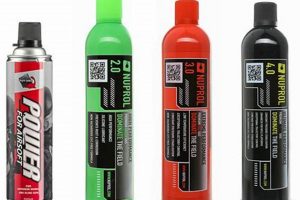
The selection of an appropriate power source for airsoft weaponry often necessitates careful consideration of several factors. Performance characteristics, operational costs, maintenance requirements, and intended usage scenarios significantly influence the suitability of different systems. Two prominent power source options are compressed gas and electric motors, each exhibiting distinct advantages and disadvantages.
The operational benefits of one system over the other can impact a player’s experience. For example, gas-powered replicas often provide a more realistic feel due to recoil and realistic operation. Electrically powered versions typically offer consistent performance across a wider temperature range and are less affected by ambient conditions. Historical trends indicate a shift towards electric airsoft guns for their reliability and ease of use, though gas models remain popular amongst enthusiasts seeking realism.
Understanding the nuances of gas-powered versus electrically powered airsoft guns is crucial for making an informed decision. A detailed analysis of their respective advantages concerning factors such as range, accuracy, rate of fire, and cost will illuminate the best option for individual player needs and preferences.
Factors Influencing Airsoft Gun Selection
Choosing between gas and electric airsoft guns demands careful evaluation of performance expectations and practical considerations. The following tips offer guidance in determining which power source aligns with specific requirements.
Tip 1: Consider Intended Use. Field environments and gameplay style significantly influence the optimal choice. For rapid-fire engagements, electric guns offer consistent performance. For simulated realism, gas blowback models are preferred.
Tip 2: Evaluate Cost Implications. Initial purchase price, cost of consumables (batteries vs. gas), and maintenance expenses should factor into the decision. Electric guns generally have lower long-term operating costs.
Tip 3: Assess Environmental Factors. Temperature fluctuations affect gas-powered guns, impacting pressure and performance. Electric guns offer greater stability across varying environmental conditions.
Tip 4: Prioritize Maintenance Requirements. Electric guns typically require less frequent and simpler maintenance procedures compared to gas-powered models, which demand meticulous cleaning and lubrication.
Tip 5: Account for Legal Regulations. Velocity restrictions and field regulations can impact the permissible power source. Certain fields may have specific rules regarding gas-powered replicas.
Tip 6: Compare Performance Metrics. Range, accuracy, and rate of fire are crucial performance indicators. Research and compare these metrics for specific models of both gas and electric airsoft guns.
Tip 7: Factor in Personal Preference. Ergonomics, weight, and overall feel contribute to player satisfaction. Handle both gas and electric models to determine which feels more comfortable and natural.
Selecting the appropriate airsoft gun necessitates a comprehensive understanding of the strengths and weaknesses inherent in each power system. By weighing these considerations, a player can make an informed decision tailored to their specific needs.
The next section delves into a comparative analysis of specific performance characteristics to further clarify the distinctions between gas and electric airsoft guns.
1. Realism and Feel

The intrinsic connection between realism and feel and the selection of an appropriate airsoft power source stems from the operational mechanics of gas-powered replicas. Gas blowback systems, employing compressed gas to cycle the bolt or slide, generate recoil that mimics the operation of actual firearms. This effect, a direct result of the gas propulsion system, provides a tactile experience unavailable in electric models. Consequently, individuals prioritizing authentic weapon handling often gravitate toward gas-powered alternatives, valuing the immersive quality derived from simulated recoil and operational sound. For instance, training exercises that emphasize realistic weapon manipulation favor gas blowback systems, as they promote procedural memory and a more genuine simulation of live-fire scenarios.
However, the pursuit of realism introduces practical considerations. The reliability and consistency of gas-powered systems are susceptible to environmental factors, particularly temperature variations, which can impact gas pressure and, consequently, performance. Electric airsoft guns, in contrast, maintain a more consistent firing rate and projectile velocity, regardless of ambient temperature. Therefore, while gas systems offer heightened realism, they may necessitate compromises in operational predictability and consistency. The specific demands of the user and the intended application dictate the relative importance of realism versus operational reliability.
Ultimately, the valuation of realism and feel represents a subjective factor that influences the decision-making process. While gas-powered replicas provide an unmatched level of simulated firearm operation, electric models offer greater consistency and ease of use. The ideal choice depends on the user’s individual priorities, balancing the desire for authentic weapon handling with the need for reliable and predictable performance in various environmental conditions.
2. Initial Investment

The initial financial outlay represents a significant determinant in selecting between gas and electric airsoft platforms. Variations in manufacturing complexity, component materials, and included accessories contribute to disparities in the upfront cost. A thorough assessment of these initial expenses is crucial for budgetary planning and informed decision-making.
- Base Replica Cost
Electric airsoft rifles generally present a lower entry point due to standardized manufacturing processes and readily available components. Gas-powered replicas, particularly those with intricate blowback mechanisms, often command a higher initial purchase price, reflecting the complexity of their internal mechanisms and the materials used in their construction. For example, a standard entry-level electric rifle may cost approximately $100-$150, whereas a gas blowback pistol with comparable features could range from $150-$300.
- Essential Accessories
Both types require supplementary investments. Electric guns necessitate batteries and chargers, while gas guns demand a supply of compressed gas (CO2 or green gas) and magazines. High-capacity batteries and smart chargers add to the cost of electric models, while the need for multiple magazines and specialized gas adapters increases the initial investment in gas-powered systems. The cost of these supporting items should be incorporated into the total initial expenditure calculation.
- Upgrades and Modifications
Many airsoft enthusiasts pursue aftermarket upgrades to enhance performance or aesthetics. The availability and cost of compatible upgrades vary significantly between gas and electric platforms. Electric guns often boast a wider selection of readily available internal parts, such as motors, gears, and hop-up units. Gas guns, while also customizable, may have a more limited aftermarket and potentially higher costs for specialized components designed to withstand the pressures associated with gas operation.
- Protective Gear and Safety Equipment
Regardless of the power source, proper protective gear, including eye protection, face masks, and appropriate clothing, is essential for safe participation. The initial cost of quality protective gear is an unavoidable expense and should be factored into the overall budget. Prioritizing safety is paramount, and skimping on protective equipment is not advisable.
The total initial investment extends beyond the base price of the airsoft replica. Careful consideration of essential accessories, potential upgrades, and safety equipment is vital for accurate budgetary assessment. Electric platforms often offer a more cost-effective entry point, while gas platforms may necessitate a higher initial expenditure due to inherent complexities and required supporting accessories. The long-term operating costs, however, require separate analysis to provide a comprehensive cost comparison.
3. Operating Cost
The ongoing expenses associated with maintaining and utilizing airsoft replicas constitute a critical factor in determining the overall suitability of gas versus electric platforms. Operating cost encompasses the recurring expenditure required for consumables, replacement parts, and necessary maintenance procedures. This cost directly influences the long-term affordability and practical viability of each power system, thereby impacting the selection process.
Electric airsoft guns generally demonstrate a lower operating cost due to the relatively inexpensive nature of their primary power source: rechargeable batteries. While the initial investment in batteries and a smart charger may represent a significant upfront expense, the cost per round fired is significantly lower compared to gas-powered systems. Conversely, gas-powered replicas require a constant supply of compressed gas cartridges (CO2 or green gas), which incur a recurring expense proportional to usage. The frequency of gas refills directly correlates with the volume of fire, resulting in a higher per-round cost. Furthermore, gas systems often necessitate more frequent maintenance and replacement of seals and O-rings, adding to the overall operational expenditure. For instance, a player engaging in frequent skirmishes with a gas-powered rifle may spend significantly more on gas refills annually compared to the cost of electricity to charge batteries for an equivalent electric rifle.
The difference in operating cost can be a decisive factor for players with budget constraints or those who participate in airsoft activities frequently. While the initial allure of realistic gas blowback may be strong, the sustained expenses associated with gas refills and maintenance can quickly accumulate, potentially outweighing the initial cost savings of a less expensive electric alternative. Therefore, a comprehensive assessment of projected usage and budgetary limitations is essential when evaluating the long-term affordability of gas versus electric airsoft platforms. Ignoring the cumulative impact of operating costs can lead to unforeseen financial burdens and ultimately affect the overall enjoyment of the airsoft experience.
4. Maintenance Level

The extent and complexity of maintenance requirements represent a pivotal consideration when assessing the suitability of gas-powered versus electrically powered airsoft devices. Variations in internal mechanisms, operational stresses, and material composition dictate the frequency and intricacy of maintenance procedures, thereby impacting the long-term reliability and usability of each system.
- Mechanical Complexity and Component Wear
Gas-powered airsoft replicas, particularly those incorporating blowback mechanisms, generally exhibit greater mechanical complexity compared to their electric counterparts. This increased complexity translates to a higher number of moving parts, each subject to wear and tear during operation. Gas systems rely on seals, valves, and nozzles to regulate gas flow, and these components are prone to degradation over time due to friction and exposure to pressurized gas. Electric systems, with simpler internal configurations, typically experience less component wear, reducing the frequency of required maintenance. For example, a gas-powered pistol may require seal replacement every few months with regular use, while an electric rifle could operate for years without significant internal maintenance.
- Lubrication Requirements
Proper lubrication is essential for maintaining the performance and longevity of both gas and electric airsoft devices. However, the lubrication requirements differ significantly. Gas-powered systems necessitate regular lubrication of seals and moving parts with specialized silicone-based lubricants to prevent drying, cracking, and gas leakage. Electric systems, on the other hand, primarily require lubrication of gears and motor components with grease. The frequency and complexity of lubrication procedures are generally higher for gas-powered replicas due to the greater number of critical components and the sensitivity of gas seals to lubrication quality. Neglecting proper lubrication can lead to performance degradation, increased wear, and potential system failure, highlighting the importance of adhering to recommended maintenance schedules.
- Cleaning Procedures
Maintaining cleanliness is crucial for optimal performance and reliability. Both gas and electric systems require periodic cleaning to remove dirt, debris, and lubricant residue. Gas systems, in particular, are susceptible to contamination from propellant residue, which can accumulate in the barrel and internal mechanisms, affecting accuracy and gas flow. Electric systems may experience contamination from dust and dirt accumulating in the gearbox and motor. The cleaning process typically involves disassembling the replica, cleaning individual components with appropriate solvents or cleaning agents, and reassembling the device. The complexity of the cleaning process varies depending on the design of the replica and the extent of contamination. However, gas systems generally require more frequent and thorough cleaning due to the greater potential for residue buildup and the sensitivity of gas seals to contamination.
- Diagnostic and Repair Skills
Troubleshooting and repairing malfunctions require a degree of technical skill and knowledge. Gas systems, with their intricate internal mechanisms and potential for gas leaks, often demand more advanced diagnostic and repair skills compared to electric systems. Identifying and resolving gas leaks, replacing worn seals, and adjusting valve timing require a comprehensive understanding of gas system operation. Electric systems, while generally simpler to diagnose, may require knowledge of electrical circuits, soldering techniques, and gearbox disassembly. The availability of repair manuals, online resources, and experienced technicians can significantly impact the ease of troubleshooting and repairing malfunctions. However, the complexity and potential for specialized tools and knowledge often make gas systems more challenging to maintain for inexperienced users.
Ultimately, the “Maintenance Level” requirement significantly informs the “what is better for airsoft gas or electric” determination. Individuals prioritizing ease of maintenance and minimal technical intervention may favor electric systems, while those willing to invest time and effort in maintaining more complex mechanisms may find gas systems acceptable. The choice depends on individual skill levels, available resources, and the acceptable level of maintenance burden.
5. Temperature Sensitivity

The operational efficacy of airsoft devices powered by compressed gas is intrinsically linked to ambient temperature. Gas-powered systems rely on the expansion of gas (typically CO2 or green gas) to propel projectiles. Gas pressure, and consequently projectile velocity, fluctuates directly with temperature. Lower temperatures reduce gas pressure, resulting in diminished velocity and potentially inconsistent performance. Conversely, excessively high temperatures may elevate gas pressure beyond safe operational limits, potentially damaging the device or causing projectile velocities to exceed field regulations. This inherent temperature sensitivity represents a critical consideration when determining the suitability of gas-powered airsoft platforms, particularly in environments characterized by significant temperature variations. Electric airsoft guns, utilizing mechanical energy stored in a spring and released by an electric motor, are substantially less susceptible to ambient temperature fluctuations.
The impact of temperature sensitivity is readily observable in practical airsoft scenarios. During colder months, gas-powered rifles may exhibit a noticeable drop in range and accuracy, necessitating adjustments to hop-up settings or even the use of alternative, more temperature-stable gas types. In contrast, electric rifles maintain a relatively consistent performance profile across a wider temperature range, providing a more reliable option for year-round gameplay. Conversely, during summer months, gas-powered pistols may require careful monitoring to prevent over-pressurization, particularly when using high-pressure gas types. Some fields impose restrictions on gas types or mandate chronograph testing to ensure compliance with velocity limits, further highlighting the practical implications of temperature sensitivity. Real-world examples consistently demonstrate the challenges associated with maintaining consistent performance with gas-powered systems in fluctuating temperature environments.
In summary, temperature sensitivity is a significant differentiating factor between gas and electric airsoft power sources. While gas-powered systems offer a heightened degree of realism and potential performance advantages under optimal conditions, their susceptibility to temperature fluctuations introduces operational challenges and necessitates careful management. Electric airsoft devices, with their relative insensitivity to temperature variations, provide a more consistent and reliable alternative for players seeking predictable performance across a wider range of environmental conditions. The “what is better for airsoft gas or electric” decision must factor in the expected operating environments and the acceptable level of performance variation due to temperature changes.
6. Velocity Consistency

Velocity consistency, the degree to which successive projectiles fired from an airsoft device maintain a uniform speed, significantly influences accuracy, range, and overall performance. The selection between gas-powered and electrically powered systems hinges, in part, on the ability of each platform to deliver consistent projectile velocities. Inconsistent velocities introduce unpredictable variations in trajectory, leading to diminished accuracy, particularly at extended ranges. For instance, a gas-powered rifle experiencing fluctuations in gas pressure may exhibit significant velocity deviations between shots, resulting in wider shot groupings and reduced effectiveness in engagements requiring precise aiming. Conversely, an electrically powered rifle, with a more stable and regulated mechanism, typically provides greater shot-to-shot velocity consistency, enhancing accuracy and extending effective range. Therefore, velocity consistency stands as a critical component in evaluating the relative merits of gas versus electric airsoft platforms.
The practical significance of velocity consistency extends beyond individual accuracy to encompass gameplay dynamics and strategic considerations. Consistent projectile velocities enable players to accurately estimate bullet drop and windage, facilitating precise targeting and informed tactical decisions. In contrast, inconsistent velocities introduce an element of unpredictability, hindering the ability to accurately gauge projectile trajectory and compromising strategic effectiveness. For example, a sniper utilizing a gas-powered rifle with inconsistent velocity may struggle to accurately range targets, leading to missed shots and compromised concealment. Electric airsoft guns’ consistent velocity is more predictable to make an accurate aim. Furthermore, velocity consistency directly impacts safety and fair play. Overly high or inconsistent velocities may violate field regulations or pose a safety risk to other players. Therefore, ensuring consistent projectile velocities is crucial for maintaining a safe and equitable playing environment.
Ultimately, velocity consistency serves as a key performance indicator when comparing gas and electric airsoft systems. While gas-powered platforms may offer advantages in terms of realism and trigger response, their susceptibility to temperature fluctuations and gas pressure variations can compromise velocity consistency. Electric platforms, with their more stable and regulated mechanisms, generally provide superior velocity consistency, enhancing accuracy, range, and overall performance. The choice between gas and electric, therefore, necessitates a careful evaluation of the relative importance of velocity consistency alongside other factors such as cost, maintenance, and intended usage. Prioritizing velocity consistency is essential for players seeking to maximize accuracy, enhance strategic effectiveness, and ensure safe and fair gameplay.
7. Field Regulations

The operational parameters governing airsoft gameplay, typically defined as field regulations, exert a considerable influence on the selection of appropriate weaponry. These regulations, established to ensure safety, fair play, and adherence to legal restrictions, often delineate acceptable projectile velocity limits, power source types, and replica configurations. Consequently, a thorough understanding of applicable field regulations is essential for making an informed decision regarding gas-powered versus electrically powered airsoft devices.
- Velocity Limits and Joule Restrictions
Airsoft fields commonly impose maximum projectile velocity limits, expressed in feet per second (FPS) with 0.20g BBs, to mitigate the risk of injury. Some fields further restrict muzzle energy, measured in Joules. Gas-powered replicas, particularly those utilizing high-pressure gas types, may exceed these limits under certain temperature conditions or with improper tuning. Electric replicas, with adjustable internal components, offer greater control over projectile velocity, facilitating easier compliance with field regulations. The ability to consistently maintain velocities within established limits represents a crucial factor in replica selection.
- Power Source Restrictions and Gas Type Limitations
Certain airsoft fields may restrict the use of specific power sources or gas types. For example, some indoor facilities may prohibit the use of high-pressure CO2 due to safety concerns or ventilation limitations. Other fields may limit the maximum operating pressure of gas-powered replicas to prevent excessive projectile velocities. Electric replicas, utilizing battery power, circumvent these restrictions, providing greater versatility in terms of field compatibility. Understanding the permissible power sources and gas types is essential for ensuring compliance with field-specific regulations.
- Replica Configuration and Modification Restrictions
Field regulations often dictate acceptable replica configurations and modifications. Some fields prohibit the use of full-auto firing modes to promote fair play and conserve ammunition. Others may restrict the use of certain aftermarket parts or modifications that could increase projectile velocity beyond legal limits. Electric replicas, with readily available internal components, offer greater flexibility in terms of customization and modification, allowing players to tailor their replicas to specific field requirements. Gas-powered replicas, while also customizable, may be subject to stricter scrutiny regarding modifications that could impact velocity or gas pressure.
- Minimum Engagement Distances (MED)
To further reduce the risk of injury, most airsoft fields establish minimum engagement distances (MED) based on projectile velocity. Replicas exceeding a certain FPS threshold may be subject to stricter MED requirements, necessitating the use of sidearms for close-quarters engagements. This consideration can influence the choice between gas and electric replicas, particularly for players who prefer to utilize a single primary weapon across various engagement distances. Electric replicas, with adjustable velocity settings, may offer greater versatility in terms of MED compliance, while gas-powered replicas may necessitate more frequent adjustments or the use of alternative gas types to meet specific field requirements.
The interplay between field regulations and replica selection is multifaceted. Gas-powered and electrically powered systems each present unique advantages and disadvantages in terms of compliance with established rules and restrictions. A thorough understanding of applicable field regulations is paramount for making an informed decision that ensures safe, fair, and legal participation in airsoft activities. Failure to adhere to field regulations may result in expulsion from the field or legal repercussions, underscoring the importance of prioritizing compliance in the replica selection process.
Frequently Asked Questions
The following section addresses common inquiries regarding the selection between gas-powered and electrically powered airsoft systems. The objective is to provide clear, concise answers based on performance characteristics and operational considerations.
Question 1: Are gas airsoft guns inherently more powerful than electric airsoft guns?
The perceived power difference is not absolute. High-pressure gas systems can achieve higher velocities than some electric guns, but electric guns can also be upgraded to exceed certain gas-powered models. Power is determined by specific model design and internal components rather than solely by the power source itself.
Question 2: Which type is more reliable, gas or electric?
Electric airsoft guns generally exhibit greater reliability due to simpler mechanical design and fewer sensitive components. Gas guns are prone to issues related to gas leaks, temperature sensitivity, and seal degradation.
Question 3: Which is better for airsoft gas or electric in cold weather?
Electric airsoft guns offer superior performance in cold weather. Gas pressure decreases with lower temperatures, negatively impacting velocity and consistency. Electric systems are less affected by ambient temperature.
Question 4: Does “what is better for airsoft gas or electric” depend on the role in the team?
Yes, Role specificity impacts the better choice. Players prioritizing realism and engagement might choose gas rifles. Players focused on range, accuracy and consistent performance could use electric replicas for sniper roles.
Question 5: Are electric airsoft guns always easier to maintain than gas ones?
In the majority of the cases, yes. Electric system maintenance primarily involves occasional gearbox cleaning and lubrication. Gas system maintenance includes seal replacement, valve adjustments, and leak detection, generally requiring more specialized knowledge.
Question 6: Which platform is more cost-effective in the long run?
Electric airsoft guns are generally more cost-effective over time. While initial investment in batteries and a charger may be required, the per-shot cost is significantly lower than gas-powered systems requiring ongoing gas refills.
This FAQ serves to highlight key considerations in selecting between gas and electric airsoft platforms. Evaluating individual needs, performance expectations, and budgetary constraints remains essential for informed decision-making.
The next section will summarize the core differences in gas vs. electric systems for airsoft use.
Determining the Optimal Airsoft Power Source
The preceding exploration of “what is better for airsoft gas or electric” reveals a nuanced landscape where neither power source unequivocally surpasses the other. Gas-powered systems offer a heightened degree of realism through simulated recoil and operational mechanics, albeit with potential drawbacks regarding temperature sensitivity, velocity consistency, and maintenance complexity. Electric systems, conversely, prioritize operational reliability, velocity consistency, and ease of maintenance, potentially sacrificing the immersive experience associated with gas-powered replicas. Considerations of initial investment, operating costs, and field regulations further complicate the decision-making process, necessitating careful evaluation of individual priorities and performance expectations.
Ultimately, the selection of an appropriate airsoft power source hinges on a comprehensive assessment of individual needs and priorities. Players prioritizing realism and authentic weapon handling may find gas-powered systems preferable, while those valuing consistent performance, ease of maintenance, and cost-effectiveness may opt for electric alternatives. A discerning approach, informed by a thorough understanding of the inherent strengths and weaknesses of each platform, is essential for maximizing satisfaction and enhancing the overall airsoft experience. Continued advancements in both gas and electric technologies promise further refinements in performance and reliability, potentially blurring the lines between the two power sources in the future.