This activity involves simulated combat using realistic replica firearms that discharge small plastic projectiles. Participants engage in team-based scenarios within designated playing fields, emphasizing tactical coordination and strategic thinking. The setting for this activity can range from wooded areas to constructed indoor arenas.
The appeal stems from a combination of factors including the adrenaline rush of simulated combat, the camaraderie developed within teams, and the opportunity to exercise both physical and mental agility. It also provides a constructive outlet for individuals seeking structured recreational activities. Over time, organized groups and dedicated fields have emerged, signifying a growing community.
The following sections will delve deeper into the local community, the types of equipment utilized, safety protocols implemented, and the rules governing gameplay. Further analysis will address potential legal considerations and the overall impact on the local recreational landscape.
Strategic Recommendations for the Airsoft Enthusiast
The following guidelines are intended to enhance participation and understanding of the airsoft experience within the specified geographical region.
Tip 1: Prioritize Eye Protection: Full-seal goggles or a mask with ANSI Z87.1 certification is non-negotiable. The potential for serious eye injury necessitates strict adherence to this safety measure. Regular inspection of eye protection for cracks or damage is essential.
Tip 2: Understand Field Regulations: Each designated playing field will have specific rules concerning maximum FPS (feet per second) limits for airsoft replicas, engagement distances, and permitted ammunition types. Familiarization with and adherence to these rules is paramount for safety and fair play. Failure to comply may result in expulsion from the field.
Tip 3: Invest in Reliable Equipment: While entry-level airsoft replicas are available, consider investing in a mid-range AEG (Automatic Electric Gun) or GBB (Gas Blowback) pistol from reputable manufacturers. Regular maintenance, including cleaning and lubrication, will extend the lifespan and improve the performance of the equipment.
Tip 4: Communicate Effectively: Airsoft is a team-based activity. Clear and concise communication is vital for coordinating movements, identifying enemy positions, and achieving objectives. Utilize hand signals and pre-determined codes to convey information discreetly.
Tip 5: Emphasize Sportsmanship: Adherence to the honor system is integral to the airsoft ethos. Acknowledge hits, avoid overshooting opponents, and maintain a respectful demeanor towards fellow players, regardless of skill level or affiliation.
Tip 6: Practice Tactical Movement: Moving predictably across open ground makes an individual an easy target. Practice utilizing cover, flanking maneuvers, and suppressive fire techniques to improve survivability and effectiveness on the field.
Tip 7: Stay Hydrated and Nourished: Extended periods of physical activity in potentially hot and humid conditions can lead to dehydration and fatigue. Bring sufficient water and energy-rich snacks to maintain performance throughout the day. Electrolyte replacement beverages may also be beneficial.
These suggestions underscore the importance of safety, responsibility, and strategic awareness in enhancing the airsoft experience. A commitment to these principles fosters a positive and sustainable environment for all participants.
The subsequent sections will address the legal landscape and opportunities for community engagement.
1. Community

The vitality of organized recreational activities is frequently contingent on the strength and cohesion of the participating community. This dynamic holds true for airsoft, where the community serves as the foundational element for sustainable engagement and growth. A robust community fosters shared knowledge, promotes adherence to safety standards, and facilitates the organization of events, which in turn, enhances the overall quality of the activity. Without a well-established and actively participating group, the ability to sustain interest and ensure responsible gameplay diminishes significantly. The existence of organized teams, dedicated playing fields, and regularly scheduled events is a direct result of community involvement.
For example, local airsoft teams often organize scenario-based games that attract players from across the island. These events not only provide opportunities for competitive gameplay but also serve as platforms for the exchange of tactical knowledge and equipment maintenance tips. Furthermore, the community often plays a crucial role in advocating for responsible airsoft practices and promoting positive perceptions of the sport among the general public. The presence of established forums or social media groups dedicated to the activity indicates a healthy community where members can discuss rules, share experiences, and coordinate participation in events. The lack of such platforms can hinder communication and coordination, potentially leading to fragmentation and reduced participation.
In conclusion, the community is an indispensable element for the continued success and responsible practice of airsoft. Its presence directly impacts the availability of organized events, the adherence to safety standards, and the overall perception of the activity. Cultivating and nurturing a strong community is therefore essential for ensuring the long-term viability and positive development of airsoft.
2. Regulations

Adherence to established rules is critical for safe and ethical engagement within the airsoft community. These guidelines typically address several key areas: replica power limitations, mandatory safety equipment, acceptable engagement distances, and permitted gameplay practices. Failure to comply with these regulations can result in injury, property damage, and erosion of trust within the airsoft community. The purpose of such regulations is to mitigate risks associated with simulated combat and foster a fair and enjoyable experience for all participants. For example, most fields stipulate a maximum muzzle velocity (measured in feet per second, or FPS) for airsoft replicas, to prevent excessive impact force and potential injury. A common regulation also mandates the use of full-seal eye protection meeting ANSI Z87.1 standards, recognizing the vulnerability of the eyes to projectile impacts.
The enforcement of regulations often falls upon field owners, event organizers, and experienced players who act as mentors. These individuals are responsible for ensuring that participants are aware of the rules and understand the potential consequences of non-compliance. Furthermore, responsible players actively encourage others to follow established guidelines, contributing to a culture of safety and sportsmanship. In situations where violations occur, consequences may range from warnings and temporary suspension to permanent expulsion from the field or community. The effectiveness of regulations depends not only on their clarity and comprehensiveness but also on the commitment of individuals to uphold them.
In summary, regulations are an indispensable component of airsoft. They protect participants, promote fair play, and contribute to the overall sustainability of the activity. By understanding and adhering to established guidelines, individuals contribute to a positive and responsible airsoft culture. The ongoing refinement and adaptation of regulations, based on experience and feedback, are necessary to address emerging challenges and ensure the continued safety and enjoyment of the activity.
3. Equipment
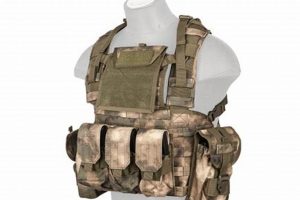
The nature of equipment directly influences the airsoft experience within the specified geographic region. The functionality, reliability, and suitability of airsoft replicas, protective gear, and tactical accessories dictate the level of engagement, safety, and competitive parity among participants. The availability and affordability of specific equipment types significantly shape the local player base, impacting participation levels and the overall sophistication of gameplay. For instance, the prevalence of affordable automatic electric guns (AEGs) has contributed to a broader player base, while specialized gas blowback (GBB) rifles cater to more experienced players seeking enhanced realism and performance. The adoption of advanced optics, communication devices, and load-bearing equipment demonstrates a commitment to tactical proficiency. The limitations imposed by import regulations or vendor accessibility can restrict the range of equipment available, potentially influencing gameplay styles and community development.
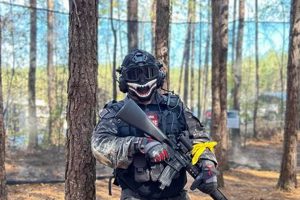
The selection and maintenance of equipment are intrinsically linked to safety protocols. Full-seal eye protection, conforming to ANSI Z87.1 standards, is a universal requirement, directly mitigating the risk of eye injury. The consistent use of face masks and appropriate clothing further reduces the potential for superficial injuries. Regular maintenance of airsoft replicas, including cleaning, lubrication, and adherence to manufacturer specifications, is crucial for preventing malfunctions and ensuring consistent performance. Field operators often conduct chrono tests to verify that replicas comply with established FPS (feet per second) limits, thereby minimizing the risk of excessive impact force. The absence of reliable or well-maintained equipment can increase the likelihood of accidents and negatively impact the overall safety and enjoyment of the game.
In conclusion, equipment plays a foundational role in shaping the airsoft landscape. The availability, suitability, and maintenance of airsoft replicas and protective gear directly influence safety, gameplay dynamics, and community development. Understanding the relationship between equipment and these key aspects is essential for fostering a responsible and engaging airsoft environment. Addressing challenges related to equipment accessibility and promoting adherence to safety standards are critical for ensuring the long-term sustainability and positive perception of airsoft.
4. Safety
The imperative of player well-being constitutes a core tenet within the airsoft community. The simulated combat environment, involving projectile-firing replicas, necessitates strict adherence to established safety protocols to mitigate potential injuries. These protocols are multifaceted, encompassing mandatory protective gear, replica velocity limitations, and stringent rules of engagement. A breach in any of these safety measures carries the potential for significant consequences, ranging from minor abrasions to severe eye trauma. The integration of safety into the very fabric of the community ensures that risk is minimized, fostering a responsible and enjoyable experience for all participants. For example, designated airsoft fields mandate the use of full-seal eye protection meeting ANSI Z87.1 standards. Non-compliance results in immediate expulsion from the playing area, highlighting the uncompromising stance on eye safety. Further examples include restrictions on firing distances and replica power levels, designed to reduce the force of impact and minimize the likelihood of injury.
The onus of upholding safety standards extends beyond field operators to individual players. Each participant bears a responsibility to ensure personal protective equipment is worn correctly and that replica handling adheres to established guidelines. Moreover, fostering a culture of open communication about safety concerns is vital. Reporting instances of reckless behavior or equipment malfunctions allows for prompt corrective action, preventing potential accidents. Pre-game safety briefings are commonplace, serving as a forum for reiterating rules, addressing potential hazards, and reinforcing the importance of responsible gameplay. Experienced players often mentor newcomers, imparting best practices and emphasizing the significance of prioritizing safety above all else. This collective commitment to safety contributes to a positive reputation for the airsoft community and helps ensure its continued growth and acceptance.
In summary, safety is not merely an ancillary consideration but rather an integral component of airsoft, directly impacting player well-being, community cohesion, and the long-term viability of the sport. The implementation and consistent enforcement of stringent safety protocols are essential for mitigating potential risks and fostering a responsible and enjoyable environment for all participants. Ongoing education, communication, and a shared commitment to prioritizing safety are crucial for ensuring the continued health and positive development of the airsoft community.
5. Fields

Designated playing areas are fundamental to organized airsoft activities. The characteristics of these “Fields” significantly influence gameplay dynamics, safety considerations, and the overall participant experience. Variations in field size, terrain composition, and the presence of constructed obstacles dictate tactical approaches and affect the suitability for different airsoft replica types and player skill levels.
- Terrain and Environment
The physical characteristics of the field, such as wooded areas, open fields, or urban simulations, dictate tactical considerations. Wooded areas encourage close-quarters engagements and require camouflage and stealth. Open fields favor long-range engagements and emphasize marksmanship. Urban environments promote room clearing tactics and necessitate communication and teamwork. The climate and local flora also influence equipment selection and player comfort.
- Field Size and Boundaries
The dimensions of the field define the scale of engagements. Larger fields allow for more complex scenarios and require greater physical endurance. Smaller fields necessitate faster-paced gameplay and promote closer-quarters combat. Clearly defined boundaries are crucial for safety and preventing encroachment onto unauthorized areas. Designated safe zones for equipment adjustments and staging areas are essential components of well-managed fields.
- Obstacles and Cover
The presence and distribution of natural or artificial obstacles significantly impact tactical options. Bunkers, barricades, and natural cover provide defensive positions and influence movement patterns. The strategic placement of obstacles can create chokepoints and force players to adapt their strategies. The safety and stability of constructed obstacles are paramount, requiring regular inspection and maintenance.
- Field Management and Safety Features
Responsible field management is critical for ensuring player safety and maintaining a positive playing environment. Chronograph stations to verify replica velocities, designated marshals to enforce rules and address disputes, and readily accessible first-aid equipment are essential components of a well-run field. Clear signage indicating boundaries, safety zones, and potential hazards enhances player awareness and reduces the risk of accidents.
The interplay of these aspects within designated playing areas influences the nature of local airsoft. The diversity of available fields contributes to the richness and appeal of the activity, catering to varying player preferences and skill levels. The commitment of field operators to providing safe, well-maintained environments directly impacts the sustainability and positive reputation of the airsoft community.
6. Teams
The structure of organized groups exerts a substantial influence on the dynamics within airsoft engagements. Formal squads not only contribute to enhanced tactical effectiveness but also foster a sense of camaraderie and shared purpose. The formation of teams provides a framework for strategic planning, coordinated maneuvers, and specialized roles, thereby elevating the complexity and realism of gameplay. Without established teams, airsoft engagements often devolve into unstructured skirmishes, lacking the strategic depth and coordinated execution characteristic of more organized scenarios. For example, several local airsoft groups coordinate their actions during large-scale simulated operations, utilizing radio communication and pre-defined strategies to achieve specific objectives, mirroring real-world military tactics. The presence of these teams elevates the overall level of play and attracts individuals seeking a more challenging and immersive experience. These teams often hold tryouts to ensure the best-fit candidates and maintain a high level of commitment from members.
The composition and internal organization of teams play a crucial role in their overall effectiveness. Teams may vary in size, ranging from small fire teams consisting of a few individuals to larger platoons encompassing multiple squads. The assignment of specialized roles, such as designated marksman, support gunner, and medic, allows for a more diversified tactical approach and enhances the team’s ability to adapt to different scenarios. Regular training exercises and team-building activities further contribute to improved communication, coordination, and overall cohesion. In contrast, teams lacking structure or defined roles may struggle to effectively coordinate their actions and achieve their objectives. For instance, teams that prioritize individual skill over teamwork often exhibit a lack of communication and coordination, leading to fragmented efforts and diminished effectiveness on the field. Also, local teams can join in overseas airsoft tournaments for greater challenges.
In summary, organized teams are an integral component of a robust and engaging airsoft community. They enhance the tactical depth of gameplay, foster camaraderie among participants, and contribute to the overall level of professionalism within the sport. Support for team development, including providing resources for training and coordination, is crucial for fostering a vibrant and sustainable airsoft ecosystem. By emphasizing the importance of teamwork and strategic planning, the airsoft community promotes a more challenging and rewarding experience for all participants, leading to a greater sense of accomplishment and sustained engagement in the activity.
7. Legalities

The legal framework governing airsoft is a critical yet often overlooked aspect. Understanding the relevant legislation is essential for safe, responsible, and lawful participation. Ambiguity or ignorance regarding legal regulations can result in severe consequences, including confiscation of equipment, fines, or even criminal charges. Therefore, familiarization with applicable laws pertaining to replica firearms, transportation, and usage is paramount for all participants.
The legal status of airsoft replicas often hinges on their classification under firearms regulations. These regulations vary widely, and in some jurisdictions, airsoft replicas may be subject to the same restrictions as conventional firearms. Transportation of airsoft replicas, particularly across municipal or territorial boundaries, may require specific permits or documentation. Furthermore, the use of airsoft replicas in public areas is often strictly prohibited, and participants must confine their activities to designated playing fields or private property with the explicit consent of the landowner. The sale, purchase, and modification of airsoft replicas may also be subject to legal restrictions. A recent instance involved the confiscation of several airsoft replicas transported without proper documentation, highlighting the importance of adhering to relevant regulations.
In conclusion, the legality governing airsoft is not merely a procedural detail but a fundamental aspect of responsible participation. Participants must proactively educate themselves on applicable laws, ensuring compliance with all relevant regulations to avoid potential legal ramifications. Continuous monitoring of legislative changes and seeking guidance from legal professionals when necessary are essential for navigating the complex legal landscape surrounding airsoft. Adherence to these principles safeguards individual players and contributes to the overall legitimacy and sustainability of the airsoft community.
Frequently Asked Questions Regarding Airsoft Activities
This section addresses common inquiries and concerns pertaining to participation in airsoft, emphasizing responsible conduct and adherence to established guidelines.
Question 1: What specific regulations govern the use of airsoft replicas?
Airsoft replicas are often subject to restrictions similar to those governing firearms. Transportation requires adherence to specific guidelines, and usage is restricted to designated areas. Local laws should be consulted for detailed information.
Question 2: What safety equipment is mandatory for engaging in airsoft activities?
Full-seal eye protection meeting ANSI Z87.1 standards is universally required. Additional protective gear, such as face masks and appropriate clothing, is strongly recommended to minimize the risk of injury.
Question 3: What are the permissible age restrictions for participating in airsoft?
Age restrictions vary depending on the specific playing field or event organizer. Parental consent may be required for minors, and certain age groups may be restricted to specific replica power levels.
Question 4: What measures are in place to ensure fair play during airsoft engagements?
Most designated playing fields employ referees or marshals to enforce rules, resolve disputes, and monitor gameplay for instances of cheating or unsportsmanlike conduct. Chronographs are used to verify replica velocity limits.
Question 5: Where can one find established airsoft playing fields?
Information regarding established playing fields can typically be found through local airsoft communities, online forums, or social media groups dedicated to the activity. Field locations and operating hours may vary.
Question 6: What steps should be taken in the event of an injury during airsoft?
Immediate medical attention should be sought for any serious injury. Field operators typically have first-aid kits readily available and may have trained medical personnel on-site. Report all incidents to field marshals for documentation and investigation.
The understanding and adherence to these guidelines are vital for responsible engagement. Prioritizing safety and respecting legal requirements contributes to a positive and sustainable activity.
The following section concludes the comprehensive overview of Airsoft.
Conclusion
This examination of Puerto Rico airsoft has illuminated its multifaceted nature, encompassing community, regulations, equipment, safety, designated fields, teams, and legal considerations. The analysis reveals a complex interplay of elements that collectively shape the activity’s landscape. Each facet requires careful consideration to ensure responsible and sustainable engagement.
Continued adherence to safety protocols, proactive community involvement, and diligent awareness of evolving legal landscapes are crucial. Only through sustained commitment to these principles can responsible practice flourish and positive community development be maintained, securing a viable future for airsoft within the region.