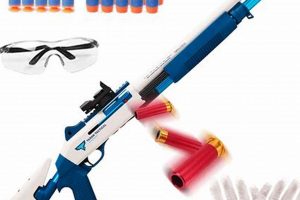
This specific type of airsoft equipment often refers to gas-powered replicas designed for recreational shooting sports. These models typically utilize a compressed gas system to propel projectiles, offering a degree of realism in terms of operation and recoil. A common example includes pistols that use a magazine filled with gas to cycle the slide and fire plastic BBs.
The appeal of these units lies in their simulated firearm mechanics and potential for consistent performance depending on the gas used and ambient temperature. Historically, they gained traction as alternatives to spring-powered models, providing a more immersive experience. They are frequently preferred by players seeking enhanced realism or those participating in competitive simulations.
The following sections will delve into the specific mechanics, maintenance, and common usage scenarios related to this type of airsoft technology, offering a detailed overview of its characteristics and applications within the broader airsoft landscape.
Operation and Maintenance Recommendations
The following are recommendations to optimize performance and longevity when utilizing this type of gas-powered airsoft replica.
Tip 1: Gas Selection: Employ the correct type and pressure of gas as specified by the manufacturer. Using an incompatible gas can cause damage to internal components or result in inconsistent firing.
Tip 2: Regular Cleaning: Clean the barrel and internal mechanisms regularly to remove accumulated debris and lubricant residue. Neglecting this can impact accuracy and reduce overall efficiency.
Tip 3: Lubrication: Apply silicone-based lubricant to moving parts, such as the slide, valves, and magazine seals. This reduces friction and prevents premature wear. Avoid petroleum-based products, as they can degrade rubber and plastic components.
Tip 4: Magazine Maintenance: Ensure that magazines are properly sealed and free of leaks. Regularly inspect O-rings and seals and replace them as needed to maintain proper gas pressure.
Tip 5: Storage Practices: When not in use, store the replica in a cool, dry place away from direct sunlight and extreme temperatures. This prevents degradation of materials and potential damage to internal components.
Tip 6: Valve Care: Be mindful of valve pin position when loading gas. Loading them incorrectly can cause issues with your airsoft gun.
Tip 7: Disassembly Precautions: Only disassemble the replica if experienced or under proper guidance. Incorrect disassembly can lead to damage or improper reassembly.
Adherence to these maintenance practices contributes to the consistent operation and extended lifespan of these replicas. Proper care ensures continued performance and enjoyment of this type of airsoft equipment.
The subsequent sections will address frequently encountered problems and provide troubleshooting guidance for these types of airsoft devices, offering potential solutions to common operational issues.
1. Gas Compatibility

Gas compatibility is a crucial determinant of the operational effectiveness and longevity of HFC airsoft replicas. These systems rely on pressurized gas to propel projectiles, and the specific gas composition must align with the design parameters of the replica. Incompatible gases can induce detrimental effects, ranging from reduced performance to catastrophic component failure. For example, using a high-pressure gas in a replica designed for lower pressures can overstress internal seals and valves, leading to leaks or complete breakage. Conversely, utilizing an underpowered gas may result in insufficient projectile velocity and compromised effective range.
The importance of understanding gas compatibility extends beyond mere performance considerations. Some gases can react chemically with the materials used in the construction of HFC airsoft replicas. For instance, certain lubricants and sealants may degrade when exposed to specific gas propellants, resulting in leaks and reduced operational efficiency. A real-world example is the use of propane (often with a silicone oil additive) as a cost-effective alternative to designated airsoft gases. While propane can provide increased power, it also carries the risk of damaging rubber components if the silicone oil is insufficient or the rubber material is not propane-resistant.
Therefore, adherence to manufacturer-specified gas guidelines is paramount for maintaining the operational integrity of HFC airsoft replicas. Failing to acknowledge gas compatibility poses a direct threat to the sustained usability of the equipment. A thorough understanding of the interaction between different gases and the materials comprising HFC airsoft systems is essential for safe and effective operation. This knowledge contributes significantly to preventative maintenance and avoids costly repairs stemming from improper gas selection.
2. Pressure Regulation
In gas-powered airsoft replicas, pressure regulation directly influences performance and reliability. The consistency with which gas pressure is delivered dictates the muzzle velocity of projectiles. Without proper regulation, fluctuations in pressure can cause significant variations in firing power, leading to inconsistent accuracy and reduced effective range. These variations are more pronounced in ambient temperature extremes, where gas pressure is naturally more volatile. A properly functioning pressure regulation system ensures that each shot is fired with a similar force, enhancing the user’s ability to accurately engage targets.
Several components within these systems contribute to pressure regulation. The gas reservoir (magazine or tank) stores the compressed gas, while valves control the flow of gas into the firing chamber. These valves must be designed to release a precise amount of gas with each trigger pull, regardless of the gas level within the reservoir. Regulators, often incorporated into high-end systems, further stabilize the pressure, ensuring a consistent output even as the gas supply diminishes. An example of this is the integration of adjustable regulators in external gas systems, allowing players to fine-tune the pressure to comply with field velocity limits while maintaining consistent performance across a variety of conditions.
Effective pressure regulation is not merely about maintaining consistent velocity; it also contributes to the longevity of internal components. Excessive pressure can place undue stress on seals, valves, and other critical parts, leading to premature wear and potential failure. Conversely, insufficient pressure can cause the system to operate inefficiently, resulting in wasted gas and reduced performance. Therefore, understanding and maintaining the pressure regulation system is crucial for preserving the overall functionality and extending the lifespan of gas-powered airsoft replicas. The reliability of the replica, and its ability to perform consistently over time, hinges on the efficacy of its pressure regulation mechanism.
3. Maintenance Schedule
Adherence to a structured maintenance schedule is paramount for preserving the operational integrity and extending the lifespan of gas-powered airsoft replicas. These systems, characterized by intricate mechanisms and reliance on pressurized gas, are susceptible to performance degradation and component wear without consistent upkeep.
- Seal Inspection and Replacement
Gas-powered airsoft systems utilize numerous seals to contain pressurized gas. These seals, typically composed of rubber or synthetic materials, degrade over time due to exposure to gas propellants, temperature fluctuations, and mechanical stress. A maintenance schedule should include regular inspection of these seals for signs of cracking, swelling, or deformation. Replacement of compromised seals prevents gas leaks, maintains consistent pressure, and ensures reliable operation. Neglecting seal maintenance leads to performance degradation and potential damage to other internal components.
- Lubrication of Moving Parts
Gas-powered airsoft replicas contain various moving parts, such as valves, pistons, and triggers. Friction between these components can cause wear, reduce responsiveness, and ultimately lead to failure. A maintenance schedule should incorporate regular lubrication of these parts with appropriate silicone-based lubricants. Lubrication reduces friction, prevents corrosion, and maintains smooth operation. The selection of lubricant is crucial; petroleum-based lubricants can damage rubber components, necessitating the use of silicone-based alternatives.
- Barrel Cleaning and Inspection
The barrel of a gas-powered airsoft replica is susceptible to the accumulation of debris from projectiles and gas residue. This build-up can impede projectile trajectory, reduce accuracy, and increase internal friction. A maintenance schedule should include regular cleaning of the barrel using a cleaning rod and appropriate cleaning solutions. Inspection of the barrel for damage, such as scratches or dents, is also essential. Damage to the barrel can significantly affect performance and may necessitate replacement.
- Gas System Pressure Testing
The gas system of an airsoft replica operates under significant pressure, and variations in pressure can impact performance. A maintenance schedule should include periodic testing of the gas system pressure to ensure it remains within acceptable limits. This testing can be performed using specialized pressure gauges. Deviations from the specified pressure range may indicate leaks, valve malfunctions, or regulator issues. Addressing these issues promptly prevents performance degradation and potential component damage.
A well-defined maintenance schedule, encompassing seal inspection, lubrication, barrel cleaning, and gas system pressure testing, is critical for maximizing the performance and longevity of gas-powered airsoft replicas. Consistent adherence to this schedule mitigates the risk of component failure, maintains operational reliability, and preserves the investment in the equipment. Neglecting maintenance results in diminished performance, increased repair costs, and a reduced lifespan for the airsoft replica.
4. Component Materials
The performance and durability of gas-powered airsoft replicas are intrinsically linked to the materials used in their construction. These materials dictate the replica’s ability to withstand the stresses of repeated operation under pressure, environmental factors, and physical handling. Inadequate material selection can lead to premature wear, compromised performance, and even catastrophic failure, rendering the replica unusable. For instance, a pistol frame constructed from low-grade plastic is more susceptible to cracking or breaking under the stress of repeated slide cycling than one made from reinforced polymer or metal alloy. Similarly, internal components such as valves and nozzles must be fabricated from materials capable of withstanding continuous exposure to pressurized gas without deformation or degradation.
The interplay between component materials and gas compatibility is particularly significant. Certain gas propellants can chemically react with specific materials, causing them to swell, weaken, or corrode. For example, the use of propane as a propellant, even with added silicone lubricant, can degrade rubber O-rings and seals if they are not specifically designed to withstand propane exposure. This degradation leads to gas leaks, reduced pressure, and inconsistent performance. Conversely, the selection of materials that are resistant to common gas propellants, such as reinforced polymers, brass, or stainless steel, ensures long-term reliability and minimizes the need for frequent repairs or replacements. The correct choice of materials directly impacts the lifespan and operational consistency of the airsoft replica.
In conclusion, component materials are a critical determinant of the overall quality and performance of gas-powered airsoft replicas. Selecting appropriate materials that can withstand the stresses of operation and resist degradation from gas propellants is essential for ensuring long-term reliability and minimizing maintenance requirements. Understanding the properties of different materials and their compatibility with various gas types allows users to make informed decisions regarding the care and maintenance of their airsoft equipment, ultimately extending its lifespan and maximizing its performance.
5. Operational Environment
The operational environment exerts significant influence on the performance and longevity of gas-powered airsoft replicas. External conditions impact gas pressure, component integrity, and overall system functionality, necessitating careful consideration of environmental factors during usage and storage.
- Temperature Effects on Gas Pressure
Temperature directly affects the pressure of compressed gases used in these replicas. Elevated temperatures increase gas pressure, potentially leading to over-pressurization and component stress. Conversely, low temperatures reduce gas pressure, resulting in decreased muzzle velocity and compromised performance. For example, a replica performing optimally at room temperature may exhibit significantly reduced power in colder outdoor environments. Maintaining a suitable operating temperature range is crucial for consistent performance and preventing damage to internal components.
- Humidity and Corrosion
High humidity levels can promote corrosion of metallic components within the replica, particularly in the barrel, valve assembly, and internal mechanisms. Corrosion compromises the structural integrity of these components, leading to leaks, reduced gas efficiency, and potential malfunctions. Regular cleaning and lubrication with appropriate corrosion-inhibiting products are essential in humid environments. Coastal areas with high salt content in the air pose an even greater corrosion risk, requiring more frequent maintenance.
- Dust and Debris Ingress
The presence of dust, dirt, and other debris in the operational environment can negatively impact the performance of gas-powered airsoft replicas. These particles can enter the internal mechanisms, causing friction, clogging valves, and disrupting smooth operation. Environments with loose soil, sand, or foliage necessitate more frequent cleaning and maintenance to prevent the accumulation of debris. Protective measures, such as using barrel plugs and carrying cases, can minimize debris ingress during transportation and storage.
- Altitude Considerations
Altitude affects gas pressure and density, potentially influencing the performance of these replicas. At higher altitudes, lower atmospheric pressure can cause gas to expand, potentially increasing muzzle velocity beyond allowable limits for certain fields or events. Users operating in mountainous regions or at high elevations should be aware of these effects and adjust their equipment accordingly, potentially requiring the use of lower-pressure gas or velocity-reducing devices.
The operational environment is a critical factor influencing the performance and longevity of gas-powered airsoft replicas. Understanding the effects of temperature, humidity, dust, and altitude is essential for maintaining these systems and ensuring reliable operation across diverse conditions. Adaptations to maintenance routines and equipment configurations may be necessary to mitigate the negative impacts of specific environmental factors. Careful consideration of the operational environment contributes significantly to the overall user experience and prolongs the lifespan of the airsoft replica.
6. Storage Conditions
The conditions under which gas-powered airsoft replicas are stored significantly impact their long-term functionality and operational readiness. Improper storage can lead to component degradation, gas leaks, and reduced performance, ultimately shortening the lifespan of the equipment. The following points outline critical storage considerations.
- Temperature Stability
Maintaining a stable temperature environment during storage is paramount. Extreme temperature fluctuations can cause expansion and contraction of seals, O-rings, and other internal components, leading to leaks and reduced gas retention. Ideally, these replicas should be stored in a climate-controlled environment with a consistent temperature range, avoiding direct sunlight and areas prone to significant temperature swings. For example, storing a gas-powered pistol in a hot car can cause the magazine seals to weaken and leak, while storing it in a freezing garage can cause the gas to condense and potentially damage internal valves.
- Humidity Control
Humidity plays a crucial role in the preservation of gas-powered airsoft replicas. High humidity levels promote corrosion of metallic components, leading to rust and performance degradation. Conversely, excessively dry environments can cause seals and O-rings to dry out and crack, resulting in gas leaks. Storing replicas in a dry environment, such as a dehumidified room or a sealed container with desiccant packs, helps prevent corrosion and maintains seal integrity. Regular application of silicone lubricant to seals can further mitigate the effects of dry storage.
- Gas Retention Considerations
The presence or absence of gas within the magazine or gas reservoir during storage is a subject of debate. Some argue that storing magazines with a small amount of gas helps to keep the seals lubricated and prevent them from drying out. Others contend that storing magazines empty relieves pressure on the seals, prolonging their lifespan. The optimal approach may depend on the specific replica and magazine design, but it is generally advisable to avoid storing magazines fully charged for extended periods, as constant pressure can accelerate seal degradation.
- Physical Protection
Physical protection during storage is essential to prevent damage to the replica’s external components. Storing replicas in protective cases or padded bags shields them from impacts, scratches, and other forms of physical damage. Ensuring that the replica is stored in a secure location prevents accidental drops or collisions that could compromise its functionality. Proper physical protection is especially important for replicas with delicate external components, such as sights, lasers, or other accessories.
In conclusion, careful consideration of storage conditions is a vital aspect of maintaining the functionality and longevity of gas-powered airsoft replicas. Temperature stability, humidity control, gas retention considerations, and physical protection are all critical factors to consider when storing these systems. Implementing appropriate storage practices minimizes the risk of component degradation, prevents gas leaks, and ensures that the replica remains in optimal operating condition for extended periods.
7. Performance Consistency

Performance consistency, in the context of gas-powered airsoft replicas, refers to the ability of a system to deliver repeatable and predictable results across a range of operational conditions. This is a critical attribute, impacting accuracy, range, and overall user experience.
- Gas Pressure Regulation
Consistent gas pressure regulation is fundamental to achieving performance consistency in these replicas. Fluctuations in gas pressure directly translate to variations in muzzle velocity, affecting projectile trajectory and accuracy. Efficient regulators and properly functioning valves are essential for maintaining a stable and repeatable gas pressure output with each shot. For example, systems utilizing adjustable regulators allow users to fine-tune the pressure to achieve consistent velocities across different ambient temperatures, minimizing the impact of external factors.
- Internal Component Tolerances
The precision and consistency of internal component dimensions, often referred to as tolerances, play a significant role in performance consistency. Variations in component sizes, such as the barrel diameter, nozzle length, or valve seat dimensions, can introduce inconsistencies in gas flow and projectile launch. Replicas manufactured with tight tolerances exhibit greater consistency in performance, as each shot is less susceptible to variations caused by component imperfections. Higher quality replicas often utilize precision manufacturing techniques to ensure consistent dimensions and minimize performance fluctuations.
- Seal Integrity and Maintenance
The integrity of seals within the gas system is vital for maintaining consistent performance. Leaks in seals or O-rings result in gas loss, reduced pressure, and inconsistent muzzle velocity. Regular maintenance, including inspection, lubrication, and replacement of worn seals, is essential for preserving performance consistency. Neglecting seal maintenance can lead to gradual performance degradation and unpredictable shot behavior. For instance, a leaky magazine seal can cause a progressive decrease in pressure over a series of shots, resulting in a noticeable drop in velocity and accuracy.
- Projectile Quality and Consistency
The quality and consistency of the projectiles used also impact performance. Variations in projectile weight, diameter, or surface finish can affect their flight characteristics and accuracy. Utilizing high-quality, uniform projectiles minimizes these variations and contributes to more consistent results. For example, using precision-grade BBs with a consistent weight and diameter ensures that each shot is subject to similar aerodynamic forces, improving accuracy and reducing the likelihood of unpredictable trajectories.
Performance consistency in gas-powered airsoft replicas is a multifaceted attribute dependent on several interconnected factors. Proper gas pressure regulation, tight internal component tolerances, maintained seal integrity, and the use of high-quality projectiles all contribute to achieving a predictable and repeatable operational experience. Optimizing these factors results in enhanced accuracy, improved range, and a more enjoyable user experience.
Frequently Asked Questions Regarding Gas-Powered Airsoft Replicas
This section addresses common inquiries concerning the operation, maintenance, and performance characteristics of gas-powered airsoft replicas.
Question 1: What are the primary advantages of using gas-powered airsoft replicas compared to electric or spring-powered models?
Gas-powered models often offer a more realistic shooting experience due to simulated recoil and blowback action. Additionally, they can provide higher and more consistent power output compared to spring-powered alternatives, although electric models can achieve similar results with appropriate upgrades. Gas-powered systems also allow for quicker follow-up shots compared to manually cocking a spring-powered replica.
Question 2: What types of gases are typically used in gas-powered airsoft replicas, and what are their differences?
Common gas types include green gas, propane (often with silicone oil additive), and CO2. Green gas and propane are relatively low-pressure gases suitable for most replicas. CO2 offers higher pressure and power but requires specific magazines or adapters and can place greater stress on internal components. It is imperative to adhere to manufacturer recommendations regarding gas compatibility.
Question 3: What is the recommended maintenance schedule for gas-powered airsoft replicas?
Regular maintenance should include cleaning the barrel after each use, lubricating moving parts with silicone oil, and inspecting seals for leaks or damage. Magazines should be periodically disassembled and cleaned. A complete overhaul, including seal replacement, may be necessary annually or after extensive use.
Question 4: What are the common causes of gas leaks in gas-powered airsoft replicas?
Gas leaks typically result from damaged or degraded seals, O-rings, or valves. These components can become brittle or cracked over time due to exposure to gas, temperature fluctuations, or physical stress. Improper lubrication or the use of incompatible lubricants can also contribute to seal failure.
Question 5: How does ambient temperature affect the performance of gas-powered airsoft replicas?
Ambient temperature significantly impacts gas pressure and, consequently, performance. Lower temperatures reduce gas pressure, resulting in decreased muzzle velocity and potentially inconsistent operation. Higher temperatures increase gas pressure, which can lead to increased velocity but also place greater stress on internal components. Performance may vary based on climate.
Question 6: What safety precautions should be observed when using gas-powered airsoft replicas?
Eye protection is mandatory. The replica should always be treated as if it were loaded. The muzzle should never be pointed at anything that is not intended to be shot. The user should be familiar with the replica’s operation and safety mechanisms. It is essential to use the correct gas type and pressure and to store the replica safely when not in use.
Adhering to these guidelines will contribute to the safe and effective operation of gas-powered airsoft replicas.
The subsequent section will provide troubleshooting guidance for common issues encountered with these systems.
Conclusion
This exposition has outlined essential considerations pertaining to HFC airsoft, encompassing operational mechanics, maintenance protocols, component materials, environmental influences, and performance consistency. A thorough understanding of these facets is crucial for maximizing the longevity and effectiveness of such systems.
Ultimately, responsible ownership necessitates adherence to recommended practices, enabling informed decision-making and ensuring safe, reliable operation. Continued research and awareness within the airsoft community will further refine best practices and contribute to the advancement of HFC technology.


![KSC Airsoft: Realistic GBB Airsoft - [Shop Now!] | Ultimate Airsoft Guide for Beginners, Tactics & Gear Reviews](https://airsoftica.com/wp-content/uploads/2026/04/th-414-300x200.jpg "KSC Airsoft: Realistic GBB Airsoft - [Shop Now!] Ultimate Airsoft Guide for Beginners, Tactics & Gear Reviews")