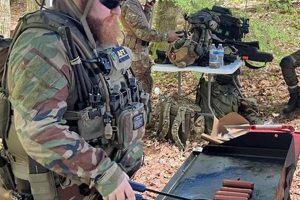
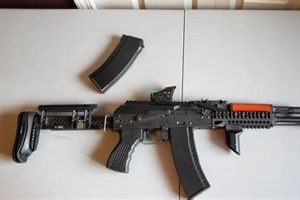
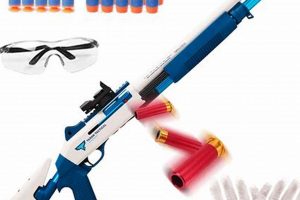
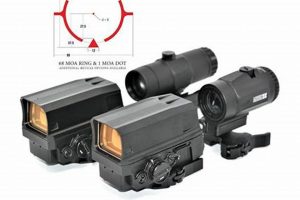
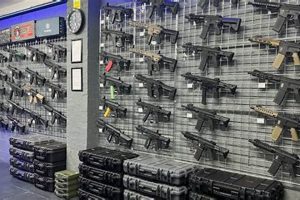
The term refers to the practice of assembling airsoft guns from individual components, often deviating significantly from standard, commercially available models. This process allows for personalized configurations tailored to specific play styles, aesthetic preferences, or performance requirements. For instance, an enthusiast might combine a high-torque motor, precision inner barrel, and upgraded hop-up unit within a particular receiver to achieve enhanced accuracy and range.
Engaging in such projects provides several advantages. It allows for the optimization of performance characteristics beyond those achievable with stock airsoft guns. Furthermore, it fosters a deeper understanding of the internal mechanics and operational principles. The historical context involves a community of hobbyists seeking to improve existing technology, adapting real firearm concepts, and expressing individuality through personalized equipment.
The following sections will delve into the specific components commonly used, the techniques employed during assembly, and the factors influencing the overall effectiveness of specialized airsoft replicas.
Essential Considerations for Optimized Airsoft Replicas
The modification and assembly of individualized airsoft markers requires meticulous planning and execution. Optimal performance hinges on a thorough understanding of component compatibility and the application of precise assembly techniques.
Tip 1: Prioritize Internal Component Compatibility: Ensure that selected internal parts, such as gears, pistons, and motors, are designed to function harmoniously. Incompatible components can lead to premature wear, decreased performance, or catastrophic failure.
Tip 2: Invest in Precision Inner Barrels: The inner barrel significantly influences accuracy and range. Opt for high-quality, tightly bored barrels made from materials such as stainless steel or brass, and ensure proper length for the specific marker configuration.
Tip 3: Upgrade the Hop-Up Unit: The hop-up system imparts backspin to the BB, extending its range and improving trajectory. Consider aftermarket hop-up units with enhanced adjustability and air seal for improved performance.
Tip 4: Reinforce Gearboxes: Airsoft gearboxes are subjected to considerable stress. Reinforce critical areas, such as the gearbox shell and tappet plate, to prevent cracking or breakage, especially when using high-power springs.
Tip 5: Optimize Air Seal: An efficient air seal is crucial for maximizing power and consistency. Ensure proper sealing between the piston head, cylinder head, and nozzle to minimize air loss during firing.
Tip 6: Implement Proper Lubrication: Utilize high-quality lubricants designed for airsoft components to reduce friction and wear. Apply lubricant sparingly to gears, pistons, and other moving parts.
Tip 7: Conduct Thorough Testing: After assembly, rigorously test the marker to ensure proper functionality and identify any potential issues. Use a chronograph to measure FPS (feet per second) and verify consistency.
Adhering to these guidelines will significantly enhance the reliability, performance, and longevity of airsoft replicas. Careful attention to detail and a systematic approach are paramount for achieving optimal results.
The subsequent sections will address advanced techniques for performance optimization and customization options available for discerning enthusiasts.
1. Component Compatibility

Within the realm of specialized airsoft markers, component compatibility serves as a foundational principle. The successful integration of diverse parts directly determines the overall performance, reliability, and longevity of the assembled replica. Mismatched or incompatible components can introduce mechanical stress, impede efficient operation, and ultimately lead to failure. For example, installing a high-torque motor with gears not designed to handle the increased stress can result in premature gear wear or motor burnout. Similarly, pairing a high-volume cylinder with a short inner barrel will yield suboptimal air compression and reduced projectile velocity.
The interaction between various components highlights the importance of selecting parts engineered to function synergistically. Gear ratio selection must correspond to motor torque and spring strength. Inner barrel length should align with cylinder volume for optimal air efficiency. The hop-up unit must be compatible with the chosen inner barrel diameter and BB weight. In practice, experienced technicians often conduct extensive research and testing to identify compatible combinations that achieve desired performance characteristics. This process frequently involves consulting manufacturer specifications, reviewing online forums, and conducting trial-and-error experimentation.
Understanding component compatibility is not merely a technical consideration but a practical necessity for those engaging in specialized airsoft marker construction. Failure to address this critical aspect can result in wasted resources, diminished performance, and potential equipment damage. By prioritizing the selection of compatible components, builders can ensure the creation of reliable, high-performing airsoft replicas that meet their specific needs and expectations. Ultimately, a comprehensive understanding of component relationships is the key to unlocking the full potential of custom airsoft builds.
2. Performance Optimization

Performance optimization is a primary driving force behind the practice of assembling airsoft replicas from individual components. The inherent limitations of stock, mass-produced airsoft guns often fail to meet the demands of experienced players seeking enhanced accuracy, increased range, and improved rate of fire. This pursuit of superior performance necessitates a deep understanding of the internal mechanics of airsoft guns and the intricate relationship between various components. The selection, modification, and careful assembly of these parts are undertaken with the explicit goal of maximizing the operational capabilities of the replica. For example, a player might replace the stock inner barrel with a precision-engineered, tighter-bore barrel to improve accuracy at longer distances. Similarly, upgrading the motor and gear set can significantly increase the rate of fire, providing a competitive edge in fast-paced engagements. The impact of these modifications on overall performance is measurable and often substantial, representing a tangible return on investment for the dedicated player.
Further analysis reveals that performance optimization in the context of specialized airsoft construction extends beyond simply swapping out individual components. It requires a holistic approach that considers the interplay between all parts within the system. This includes ensuring proper air seal to maximize power output, optimizing hop-up performance for increased range and trajectory control, and reinforcing critical components to withstand the increased stress associated with higher-performance builds. Practical applications of this understanding are evident in the competitive airsoft scene, where meticulously optimized airsoft guns are frequently employed to gain a decisive advantage. Furthermore, the knowledge gained through performance optimization can be applied to the maintenance and repair of airsoft guns, extending their lifespan and ensuring consistent performance over time.
In conclusion, performance optimization is intrinsically linked to the concept of assembling customized airsoft replicas. It represents the core motivation for engaging in this practice, driving enthusiasts to push the boundaries of what is achievable with standard airsoft guns. While the process presents challenges, such as the need for specialized knowledge and meticulous attention to detail, the potential rewards in terms of enhanced performance and competitive advantage are significant. This ongoing pursuit of optimization ensures the continued evolution of airsoft technology and the refinement of skills within the airsoft community.
3. Aesthetic Personalization

Aesthetic personalization represents a significant dimension within the sphere of customized airsoft replicas. Beyond performance enhancements, the ability to tailor the visual appearance of an airsoft gun allows individuals to express their unique preferences and create equipment that reflects their personal style or aligns with specific thematic builds. This facet of replica construction contributes to a sense of ownership and pride in the finished product. Examples include applying custom camouflage patterns to match operational environments, incorporating unique engravings or markings, and modifying external components to replicate the appearance of real-world firearms or fictional weaponry. The practical significance of this lies in the enhancement of the overall user experience, transforming a functional tool into a personalized item.
Further analysis reveals that aesthetic personalization is often intertwined with practical considerations. Modifying external components, such as stocks or handguards, can improve ergonomics and handling, enhancing both the visual appeal and the functionality of the airsoft gun. The choice of materials and finishes can also impact durability and resistance to wear and tear. For instance, applying a cerakote finish not only provides a unique aesthetic but also offers increased protection against scratches and corrosion. In addition, the integration of accessories, such as optics or tactical lights, can further enhance the visual appeal while simultaneously improving performance in specific scenarios.
In summary, aesthetic personalization is an integral component of custom airsoft marker construction, allowing individuals to create equipment that is both functional and visually appealing. While the pursuit of aesthetic customization may seem purely cosmetic, it often intersects with practical considerations, impacting ergonomics, durability, and overall user experience. The ability to personalize an airsoft gun serves as a powerful means of self-expression within the airsoft community.
4. Enhanced Durability
The pursuit of increased operational lifespan and resilience under demanding conditions is a significant motivator in the creation of individualized airsoft markers. Standard, commercially produced airsoft guns often utilize materials and construction methods optimized for cost-effectiveness, potentially compromising long-term durability. Custom assemblies allow for the strategic selection and integration of higher-quality components, specifically chosen to withstand the stresses of rigorous gameplay and environmental factors. This focus on enhanced durability translates to reduced maintenance requirements and increased reliability in the field.
- Reinforced Gearboxes
Standard gearboxes, frequently constructed from cast metal alloys, are prone to cracking or shattering under the strain of high-power springs and rapid rates of fire. Aftermarket gearbox shells, manufactured from CNC-machined aluminum or reinforced polymers, offer significantly increased resistance to stress fractures. An example is the use of a CNC 7075 aluminum gearbox in a high-stress DMR (Designated Marksman Rifle) build to withstand the increased strain of a stronger spring.
- Upgraded Internal Components
The internal components of an airsoft gun, such as gears, pistons, and bearings, are subject to constant wear and tear during operation. Replacing these components with aftermarket parts crafted from higher-grade materials, such as steel gears or reinforced polymer pistons, extends their lifespan and improves overall reliability. Replacing nylon piston heads with aluminum alloy heads in high-use AEGs(Automatic Electric Guns) is a common approach.
- Enhanced External Construction
The external components of an airsoft gun, including the receiver, stock, and handguard, are vulnerable to damage from impacts and environmental exposure. Selecting robust materials, such as metal receivers or durable polymer stocks, and applying protective coatings, such as cerakote, enhances the overall resilience of the airsoft gun. Replacing polymer receivers and handguards with metal counterparts can better withstand rough handling on the playing field.
- Improved Weather Resistance
Airsoft guns are often used in outdoor environments, exposing them to moisture, dust, and temperature fluctuations. Applying weather-resistant coatings to external components and utilizing sealed electronic components protects the airsoft gun from environmental damage and ensures reliable operation in adverse conditions. For instance, using a waterproof grease on internal parts and sealing battery compartments can prevent corrosion and electrical shorts.
These facets of enhanced durability demonstrate a comprehensive approach to improving the longevity and reliability of specialized airsoft replicas. The strategic selection and integration of higher-quality materials and construction methods address common points of failure in standard airsoft guns, resulting in equipment that is better suited to withstand the demands of intensive use. This focus on durability ultimately translates to a more cost-effective and enjoyable airsoft experience, reducing the need for frequent repairs and replacements.
5. Budgetary Constraints
Financial resources exert a significant influence on the scope and execution of specialized airsoft marker projects. The availability of funds directly impacts component selection, build complexity, and the potential for achieving optimal performance. Prudent budgetary management is therefore essential for realizing a successful project without exceeding financial limitations.
- Component Quality vs. Cost
The cost of airsoft components varies widely depending on material quality, manufacturing precision, and brand reputation. High-end components, such as CNC-machined gearboxes or precision inner barrels, offer superior performance and durability but command a premium price. Budgetary limitations may necessitate compromises, such as opting for less expensive components that may sacrifice some performance or longevity. For instance, a player might choose a cast metal gearbox over a CNC-machined one to reduce costs, accepting the trade-off in terms of durability.
- Incremental Upgrades vs. Complete Overhaul
A restricted budget may favor a strategy of incremental upgrades over a complete overhaul of an existing airsoft gun. This approach involves replacing components one at a time, focusing on those that offer the greatest performance improvement for the lowest cost. For example, upgrading the hop-up unit or inner barrel may provide a more significant performance boost than replacing the entire gearbox. This method allows for spreading costs over time and prioritizing improvements based on their impact and affordability.
- Do-It-Yourself (DIY) vs. Professional Assembly
Engaging the services of a skilled technician for assembly and modification incurs additional costs. Individuals with technical aptitude and access to appropriate tools can reduce expenses by performing the work themselves. However, DIY projects require a significant investment of time and effort and carry the risk of errors that could damage components. A player with limited experience might attempt to install a new MOSFET, potentially damaging the electronic components if not done correctly.
- Used vs. New Components
Purchasing used components can offer a cost-effective alternative to buying new parts, particularly for non-critical items or cosmetic modifications. However, used components may have reduced lifespan or exhibit wear and tear, potentially impacting performance and reliability. Careful inspection and testing are essential when considering used components. A player might purchase a used outer barrel or stock to reduce costs, but should thoroughly inspect it for damage before installation.
These considerations emphasize the importance of strategic planning within set fiscal constraints when undertaking specialized airsoft marker projects. Balancing component quality, upgrade approach, assembly method, and new or used purchasing decisions allows builders to optimize performance and achieve desired modifications while remaining within established budget parameters.
6. Skill Requirements
The construction and modification of specialized airsoft markers necessitate a diverse skillset, extending beyond basic mechanical aptitude. The complexity of these projects demands a synthesis of technical knowledge, problem-solving capabilities, and meticulous execution. Lack of proficiency in any of these areas can compromise the performance, reliability, and safety of the finished product.
- Technical Knowledge of Airsoft Systems
A comprehensive understanding of airsoft gun mechanics, including gearbox function, electrical circuits, and pneumatic systems, is paramount. This knowledge base enables informed component selection, proper assembly techniques, and effective troubleshooting. Examples include accurately diagnosing issues with hop-up performance or understanding the relationship between motor torque and gear ratios. The absence of this knowledge can lead to incompatible component pairings and inefficient builds.
- Mechanical Aptitude and Dexterity
The physical manipulation of small, intricate parts requires significant dexterity and mechanical skill. Tasks such as disassembling and reassembling gearboxes, soldering electrical connections, and fitting components into tight spaces demand precision and careful handling. The consequences of inadequate dexterity can range from stripped screws to damaged components. The successful installation of an aftermarket MOSFET, for example, requires precise soldering and careful attention to detail.
- Problem-Solving and Diagnostic Skills
Custom airsoft builds often deviate from standard configurations, introducing unexpected challenges and requiring creative problem-solving. The ability to diagnose malfunctions, identify root causes, and devise effective solutions is crucial for overcoming obstacles. This may involve troubleshooting issues with air seal, diagnosing motor problems, or adapting components to fit unconventional setups. Effective problem-solving can significantly reduce project completion time and prevent costly mistakes.
- Tools and Equipment Proficiency
The effective construction and modification of airsoft markers requires familiarity with a range of specialized tools and equipment, including screwdrivers, pliers, soldering irons, multimeters, and chronographs. Proficiency in using these tools is essential for performing tasks accurately and safely. For instance, using the incorrect screwdriver size can strip screw heads, while improper soldering techniques can damage electronic components. Owning a chronograph allows for the precise measurement of FPS (feet per second), essential for ensuring compliance with field regulations and optimizing performance.
The skills outlined above are not merely desirable but essential for successful engagement in the field of individualized airsoft replica construction. The degree of proficiency required scales proportionally with project complexity. Mastery of these skill sets directly influences the effectiveness and longevity of any specialized airsoft marker.
7. Maintenance Demands

Specialized airsoft replicas, often characterized by non-standard configurations and enhanced performance capabilities, inherently incur increased maintenance demands compared to stock models. This correlation stems from several factors directly linked to the custom nature of such builds. The integration of aftermarket components, frequently operating at higher stress levels, necessitates more frequent inspection and potential replacement. Deviation from factory specifications can invalidate standard maintenance procedures, requiring specialized knowledge and techniques for proper care. The pursuit of optimized performance often pushes components closer to their operational limits, accelerating wear and tear. For instance, a replica utilizing a high-torque motor and reinforced gears to achieve a high rate of fire will likely require more frequent lubrication and gear adjustments than a standard AEG.
The importance of diligent maintenance for customized airsoft markers is paramount. Failure to adhere to a rigorous maintenance schedule can lead to premature component failure, decreased performance, and potential damage to the replica. Regular tasks include gearbox lubrication, air seal inspection, hop-up unit cleaning, and electrical connection verification. A neglected hop-up unit, for example, can experience decreased accuracy and range due to BB residue buildup. Moreover, the use of incompatible lubricants or improper disassembly techniques can cause irreversible damage. Addressing this, many experienced players keep logs for each of their personalized airsoft replicas in a systematic manner which improves its condition to work in the long-term.
In conclusion, the specialized nature of individualized airsoft builds directly translates to elevated maintenance demands. A proactive and informed approach to maintenance is crucial for preserving the performance, reliability, and longevity of these replicas. While the increased maintenance burden may present a challenge, it is a necessary consequence of pursuing customized performance and aesthetics in the world of airsoft. Addressing challenges with the application of proper knowledge, techniques, and adherence to scheduled maintenance leads to the proper condition of these replicas.
Frequently Asked Questions about Customized Airsoft Markers
This section addresses common inquiries regarding the practice of constructing airsoft replicas from individual components. The information presented aims to clarify key aspects and dispel potential misconceptions.
Question 1: What differentiates an airsoft marker constructed from individual components from a standard, commercially available model?
An individually constructed airsoft marker is assembled from separately sourced parts, allowing for customization of performance, aesthetics, and internal mechanics. Standard models are mass-produced with pre-determined configurations and limited modification options.
Question 2: What are the primary advantages of assembling a custom airsoft marker?
Key benefits include the ability to optimize performance characteristics beyond stock limitations, tailor the replica to specific play styles, achieve personalized aesthetic preferences, and gain a deeper understanding of internal mechanics.
Question 3: What are the potential drawbacks associated with constructing individualized airsoft replicas?
Potential disadvantages include increased cost compared to standard models, the need for specialized technical knowledge and skills, the potential for component incompatibility, and increased maintenance demands.
Question 4: How does one ensure component compatibility during the construction of a custom airsoft marker?
Verifying component compatibility requires meticulous research, consultation of manufacturer specifications, and consideration of system-wide integration. Expert advice may be beneficial for complex builds.
Question 5: What are the most common performance enhancements sought when assembling custom airsoft replicas?
Frequent performance goals include improved accuracy and range through precision inner barrels and optimized hop-up units, increased rate of fire via upgraded motors and gear sets, and enhanced durability through reinforced internal components.
Question 6: What are the safety considerations when working with airsoft components and assembling custom replicas?
Safety protocols include wearing appropriate eye protection, using proper tools and techniques to prevent injury or component damage, and ensuring that the finished replica functions safely and complies with field regulations.
In summary, assembling specialized airsoft markers offers unique benefits and challenges. Careful planning, technical proficiency, and attention to detail are crucial for achieving successful results.
The following section will delve into case studies and real-world examples of individualized airsoft marker projects.
Conclusion
The foregoing exploration of airsoft marker construction from individual components reveals a multifaceted practice characterized by a confluence of technical skill, performance optimization, and personalized aesthetics. Emphasis has been placed on component compatibility, durability considerations, budgetary management, and the inevitable increase in maintenance requirements. This detailed analysis clarifies the inherent complexities associated with deviating from standard, commercially available airsoft platforms.
The commitment to a specific configuration demands a level of engagement that transcends simple recreational activity. Assembling specialized airsoft markers represents a continuous pursuit of improvement and personalized expression. Careful consideration should be given before undertaking such projects, acknowledging the significant investment of time, resources, and expertise required to achieve optimal results.
![KSC Airsoft: Realistic GBB Airsoft - [Shop Now!] | Ultimate Airsoft Guide for Beginners, Tactics & Gear Reviews](https://airsoftica.com/wp-content/uploads/2026/04/th-414-300x200.jpg "KSC Airsoft: Realistic GBB Airsoft - [Shop Now!] Ultimate Airsoft Guide for Beginners, Tactics & Gear Reviews")