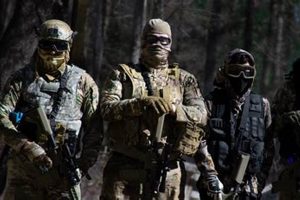
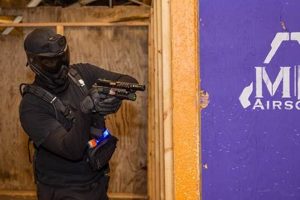
The optimal attire for participating in airsoft prioritizes protection, functionality, and concealment. This encompasses a range of gear designed to mitigate potential injury from BB impacts and navigate diverse environments. For example, durable clothing, eye protection, and sturdy footwear are fundamental components of a suitable airsoft ensemble.
Selecting appropriate apparel enhances player safety and performance. Eye protection prevents serious injury, while robust clothing minimizes the sting of BBs. Camouflage patterns can provide a tactical advantage by aiding concealment. Historically, players have adapted military surplus and outdoor recreational gear for airsoft, leading to the development of specialized equipment designed specifically for the sport’s demands.
The following sections will elaborate on specific aspects of suitable airsoft clothing and equipment, detailing the importance of each component in creating a safe and effective player experience. This will include a discussion of eye protection, body armor, tactical clothing options, and appropriate footwear choices.
Airsoft Attire
The following guidelines provide essential considerations for selecting appropriate airsoft apparel and equipment, ensuring both safety and tactical effectiveness on the field.
Tip 1: Prioritize Eye Protection: Full-seal goggles or a mask that meets ANSI Z87.1 standards are non-negotiable. Eye injury is a significant risk in airsoft, and robust protection is paramount.
Tip 2: Opt for Full Body Coverage: Long sleeves and pants constructed from durable materials like ripstop nylon or canvas provide crucial protection against BB impacts and environmental hazards.
Tip 3: Consider Tactical Vests or Plate Carriers: These offer modularity for carrying essential equipment such as magazines, radios, and medical supplies, while also providing an additional layer of protection.
Tip 4: Choose Appropriate Footwear: Ankle-supporting boots with good traction are vital for navigating varied terrain. Avoid sneakers or sandals, which offer inadequate protection and support.
Tip 5: Implement Hand Protection: Gloves shield hands from BB impacts and abrasions, improving grip and dexterity. Tactical gloves with reinforced knuckles offer enhanced protection.
Tip 6: Utilize Head Protection: A helmet or sturdy hat can mitigate head injuries from impacts. Military-style helmets provide the highest level of protection, while baseball caps offer minimal defense.
Tip 7: Factor in Environmental Conditions: Adjust attire based on weather. Layering is essential for cold weather, while breathable fabrics are crucial in hot environments. Consider moisture-wicking base layers.
Adhering to these guidelines significantly reduces the risk of injury and enhances overall performance during airsoft engagements. Choosing the correct gear is crucial for a safe and enjoyable experience.
The subsequent sections will explore specific clothing options and accessory recommendations, providing further insight into creating a complete and effective airsoft loadout.
1. Protection

The connection between protective measures and appropriate airsoft attire is inextricable. The primary cause for incorporating specific garments and equipment into an airsoft loadout stems directly from the potential for injury during gameplay. The effects of projectile impacts, environmental hazards, and potential for falls necessitate the use of specialized gear. Protection is not merely an accessory; it is a foundational component of any effective airsoft ensemble. Neglecting protective equipment can result in injuries ranging from minor welts to severe eye damage or broken bones.
Consider, for example, the mandatory use of ANSI-rated eye protection. This requirement directly addresses the risk of BBs impacting the eyes, potentially causing permanent vision impairment. Similarly, the prevalence of full-coverage clothing, such as long-sleeved shirts and pants, is a direct response to the discomfort and potential for skin damage caused by BB impacts. The adoption of tactical vests and plate carriers provides an additional layer of ballistic protection, mitigating the force of impacts to the torso. Furthermore, the utilization of knee and elbow pads acknowledges the likelihood of falls and impacts while navigating varied terrain during gameplay.
The understanding of the relationship between protective measures and airsoft clothing is of practical significance because it emphasizes the importance of informed gear selection. Players should prioritize equipment that offers adequate protection over purely aesthetic considerations. Failing to do so not only increases the risk of injury but also undermines the strategic effectiveness of the player by causing distraction and discomfort. Thus, the informed selection of protective attire is paramount for ensuring a safe and enjoyable airsoft experience.
2. Concealment

Concealment, in the context of airsoft attire, is intrinsically linked to tactical advantage and successful gameplay. The effectiveness of camouflage patterns and stealth-enhancing clothing directly influences a player’s ability to approach objectives undetected, engage opponents from advantageous positions, and evade enemy detection. The selection of appropriate camouflage, integrated into “what to wear when airsofting,” is therefore not merely aesthetic, but a functional element contributing to overall performance and strategic success. A woodland camouflage pattern, for example, provides effective concealment in forested environments, while a desert pattern offers similar advantages in arid landscapes. The degree of concealment achievable is directly proportional to the congruence between the chosen attire and the surrounding environment.
The practical application of concealment extends beyond simple camouflage patterns. The silhouette of the player must also be considered. Loose-fitting clothing can distort the human form, making it more difficult for opponents to identify and target the wearer. Additionally, the integration of ghillie suits, which consist of netting and fabric designed to mimic natural foliage, offers exceptional concealment capabilities, enabling players to blend seamlessly into their surroundings. However, the effectiveness of a ghillie suit is contingent on its proper construction and adaptation to the specific environment. For example, a ghillie suit designed for a desert environment would be highly conspicuous in a woodland setting. The choice of tactical gear, such as vests and pouches, should also be considered, selecting colors and patterns that complement the overall camouflage scheme. Shiny or reflective gear can compromise concealment, negating the effectiveness of the underlying camouflage pattern.
In summary, the element of concealment profoundly impacts the strategic dimension of airsoft, underscoring the significance of its proper implementation in “what to wear when airsofting.” While effective concealment enhances a players ability to gain a tactical advantage, improper attire compromises their strategic advantage. The practical significance lies in the acknowledgment that successful airsoft gameplay relies not only on marksmanship and tactical maneuvering but also on the ability to remain undetected. Therefore, thoughtful consideration should be given to selecting clothing and equipment that maximize concealment within the operational environment.
3. Functionality
Functionality, within the context of airsoft attire, transcends mere aesthetics, directly influencing a player’s effectiveness and efficiency on the field. Garments and equipment must serve a practical purpose beyond protection and concealment. The integration of functional features enhances maneuverability, facilitates equipment access, and optimizes the overall user experience.
- Load-Bearing Capacity
Tactical vests and plate carriers exemplify load-bearing capacity. These items enable players to carry essential gear such as magazines, radios, and medical supplies. The strategic placement of pouches and attachment points allows for rapid access and efficient management of equipment. For instance, magazine pouches should be positioned for quick reloading, while radio pouches should allow for clear communication without hindering movement. A vest’s load-bearing capacity allows the user to have on their person everything that is needed for long durations without having to go back to a base or staging area frequently.
- Mobility and Range of Motion
Clothing must allow for unrestricted movement. Tight or restrictive garments impede agility and can hinder a player’s ability to navigate the environment effectively. Articulated knees and elbows, gusseted crotches, and breathable fabrics contribute to enhanced mobility. The selection of appropriate clothing sizes is crucial for ensuring a full range of motion without compromising protection. Additionally, clothing must not be overly bulky, which can add to the difficulty of traversing rough terrain. This is vital in ensuring that the loadout does not make the user sluggish or tired easily.
- Environmental Adaptation
Functional attire adapts to diverse environmental conditions. Moisture-wicking fabrics facilitate sweat evaporation in hot weather, preventing overheating and discomfort. Layering systems provide insulation in cold conditions, maintaining body temperature and preventing hypothermia. Water-resistant or waterproof materials offer protection from rain and moisture. The capacity to adapt to varying environmental conditions is an essential aspect of functional airsoft attire. Not being able to adapt to the elements can be detrimental to the users play and health.
- Durability and Reliability
Functional clothing must withstand the rigors of airsoft gameplay. Reinforced stitching, abrasion-resistant fabrics, and durable hardware contribute to the longevity and reliability of gear. Items such as boots and gloves must be able to endure continuous use in rough terrain, resisting tears, punctures, and other forms of damage. The reliability of gear is paramount, as equipment failures can compromise player safety and impede performance. Gear should always be properly maintained so that it can always be counted on when needed.
These facets underscore the critical role of functionality in airsoft attire. The intersection of load-bearing capacity, mobility, environmental adaptation, and durability creates an equipment ensemble that is not only protective and concealing but also enables players to operate effectively and efficiently in dynamic and demanding conditions. Consequently, careful consideration must be given to these functional aspects when selecting airsoft clothing and gear.
4. Durability
Durability, in the context of airsoft attire, represents a crucial factor dictating the longevity, reliability, and overall value of equipment. Selecting durable clothing and gear mitigates the need for frequent replacements, reduces the risk of equipment failure during gameplay, and ensures a consistent level of performance over extended periods of use.
- Material Selection
The choice of materials directly impacts the durability of airsoft clothing. Fabrics such as ripstop nylon, canvas, and Cordura offer superior resistance to tearing, abrasion, and puncture. Reinforced stitching at stress points, such as seams and pockets, enhances structural integrity. Consider, for example, tactical pants constructed from ripstop nylon, which are significantly more resistant to damage than those made from conventional cotton. The selection of heavy-duty zippers, buckles, and fasteners also contributes to the overall durability of the garment. High grade materials are the first and best means of ensuring durabilty.
- Construction Quality
The method of construction influences durability. Double or triple stitching reinforces seams and prevents unraveling. Bar-tacking at stress points, such as pocket corners and belt loops, enhances the garment’s ability to withstand strain. Seam sealing or taping can improve water resistance and prevent fraying. For example, boots with Goodyear welt construction are typically more durable than those with cemented soles, as the stitched connection between the sole and upper provides greater resistance to separation.
- Resistance to Environmental Factors
Exposure to environmental factors such as sunlight, moisture, and abrasion can degrade airsoft clothing over time. UV-resistant coatings protect fabrics from fading and degradation caused by prolonged sun exposure. Water-resistant or waterproof treatments prevent moisture damage and mildew growth. Abrasion-resistant coatings or reinforcements protect high-wear areas, such as knees and elbows, from damage caused by friction. For example, a tactical jacket with a durable water repellent (DWR) finish will remain water-resistant for a longer period than one without such a treatment.
- Hardware and Components
The quality of hardware and components, such as zippers, buckles, and fasteners, significantly impacts the overall durability of airsoft gear. Heavy-duty zippers constructed from metal or high-strength polymer are more resistant to breakage than lightweight plastic zippers. Buckles and fasteners made from durable materials, such as nylon or metal, are less prone to cracking or failure. Reinforced grommets and eyelets prevent tearing or stretching. For example, a tactical vest with MOLLE webbing constructed from heavy-duty nylon webbing and secured with reinforced stitching is more durable than one with flimsy webbing and weak stitching.
In summary, durability constitutes a critical consideration in “what to wear when airsofting.” The use of robust materials, quality construction techniques, resistance to environmental factors, and durable hardware contribute to the longevity and reliability of gear. The selection of durable airsoft attire represents a prudent investment, providing enhanced performance, reduced maintenance costs, and a greater overall value proposition.
5. Modularity

Modularity, in the context of appropriate airsoft attire, signifies the capacity to adapt and customize gear configurations to meet specific mission requirements and individual preferences. The modular nature of various components, such as vests, pouches, and accessories, allows players to tailor their loadout for optimal efficiency and functionality, aligning with the multifaceted considerations when selecting “what to wear when airsofting.” This adaptability is paramount, given the varied scenarios, environments, and roles encountered in airsoft gameplay. A prime example is the Modular Lightweight Load-carrying Equipment (MOLLE) system, which permits the attachment of diverse pouches and accessories to vests, backpacks, and other gear. This system enables players to configure their equipment for specific tasks, such as carrying extra magazines for assault roles or medical supplies for support roles. Modularity is therefore not merely a design feature, but a strategic asset that enhances versatility and performance.
The application of modular principles extends beyond load-bearing equipment. Clothing systems that incorporate removable layers, adjustable straps, and customizable pockets exemplify modularity in garment design. For example, a tactical jacket with detachable sleeves and a removable hood can be adapted to changing weather conditions or mission requirements. Similarly, pants with adjustable knee pads and customizable pocket configurations allow players to optimize comfort and functionality. Real-world applications of modularity are observed in military and law enforcement gear, where personnel rely on customizable equipment to meet the demands of diverse operational environments. This adaptability translates directly to the airsoft field, where players benefit from the ability to fine-tune their loadout for specific scenarios. Failure to consider modularity may result in a rigid and inflexible gear configuration, hindering a player’s ability to adapt to changing circumstances and potentially compromising their effectiveness.
In conclusion, the element of modularity represents a fundamental aspect of “what to wear when airsofting,” facilitating customization, adaptability, and enhanced performance. The selection of modular gear allows players to optimize their loadout for specific roles and environments, maximizing their effectiveness on the field. While the initial investment in modular equipment may be higher, the long-term benefits of increased versatility and adaptability justify the cost. The practical significance of this understanding lies in the recognition that a well-chosen and properly configured modular loadout can significantly enhance a player’s overall performance and enjoyment of the sport, making it a valuable and necessary consideration.
Frequently Asked Questions
The following addresses common inquiries regarding appropriate attire for participation in airsoft activities. These responses aim to clarify requirements and provide guidance on optimizing player safety and performance.
Question 1: Is specialized clothing absolutely necessary for airsoft, or can regular clothing be used?
While regular clothing may suffice for initial participation, specialized clothing designed for airsoft provides enhanced protection, durability, and functionality. Regular clothing typically lacks the necessary features, such as reinforced fabrics, impact resistance, and integrated load-bearing capabilities.
Question 2: What are the minimum required protective items for airsoft gameplay?
The minimum required protective items include ANSI Z87.1 rated full-seal eye protection and face protection. Additional protective gear, such as gloves, knee pads, and elbow pads, is strongly recommended to mitigate potential injuries.
Question 3: Does camouflage provide a significant advantage in airsoft, and if so, what types of camouflage are most effective?
Camouflage can provide a tactical advantage by reducing visibility and enhancing concealment. The effectiveness of specific camouflage patterns depends on the environment. Woodland patterns are effective in forested areas, while arid patterns are suitable for desert environments.
Question 4: How does the choice of footwear impact airsoft performance and safety?
Footwear provides essential ankle support and traction, enabling players to navigate varied terrain safely and effectively. Ankle-supporting boots with aggressive tread patterns are recommended to prevent injuries and enhance maneuverability. Avoid footwear, such as sneakers or sandals, that lack adequate support and protection.
Question 5: Are there specific clothing materials that should be avoided when selecting airsoft attire?
Materials that offer inadequate protection or hinder movement should be avoided. Clothing made from thin or easily torn fabrics is not recommended, as it provides minimal protection against BB impacts. Restrictive clothing that limits range of motion can also negatively impact performance.
Question 6: How should airsoft clothing and gear be maintained to ensure longevity and optimal performance?
Regular cleaning and proper storage are essential for maintaining airsoft clothing and gear. Follow manufacturer instructions for washing and drying garments. Inspect gear for damage regularly and repair or replace worn components as needed. Store equipment in a dry, well-ventilated area to prevent mildew and degradation.
Properly selecting airsoft attire and gear is vital for ensuring a safe and enjoyable gameplay experience. It is imperative to prioritize personal safety, and select items that provide optimal mobility and protection while in gameplay.
The next section discusses additional resources for further exploration of “what to wear when airsofting,” encompassing product reviews, gear recommendations, and expert opinions.
Conclusion
The preceding discussion has comprehensively examined factors relevant to “what to wear when airsofting.” The emphasis throughout has been placed on protective measures, concealment strategies, functional considerations, material durability, and the capacity for modular customization. Each element contributes to ensuring player safety, enhancing tactical effectiveness, and maximizing the overall airsoft experience.
Prioritizing informed gear selection is critical for participants engaging in airsoft activities. The choice of clothing and equipment should reflect a commitment to player safety and a strategic approach to gameplay. It is expected that individuals will use the information provided to make educated decisions, acknowledging that the selection of appropriate attire is integral to a positive and secure airsoft experience. This will ensure that the selected components are reliable and promote a safe environment for all participants.