![Dominate Airsoft: Becoming Airsoft Elite [Pro Tips]](data:image/svg+xml;base64,PHN2ZyB4bWxucz0iaHR0cDovL3d3dy53My5vcmcvMjAwMC9zdmciIHdpZHRoPSI0NzQiIGhlaWdodD0iNzQiIHZpZXdCb3g9IjAgMCA0NzQgNzQiPjxyZWN0IHdpZHRoPSIxMDAlIiBoZWlnaHQ9IjEwMCUiIHN0eWxlPSJmaWxsOiNjZmQ0ZGI7ZmlsbC1vcGFjaXR5OiAwLjE7Ii8+PC9zdmc+ "Dominate Airsoft: Becoming Airsoft Elite [Pro Tips] Ultimate Airsoft Guide for Beginners, Tactics & Gear Reviews")
The term describes individuals or teams within the airsoft community who demonstrate exceptional skill, tactical proficiency, and a high level of dedication to the sport. This often encompasses superior marksmanship, strategic planning, and teamwork executed during simulated combat scenarios. Examples include teams consistently winning competitive events, players known for their innovative strategies, and individuals recognized for their technical expertise in customizing and maintaining airsoft equipment.
Achieving this level signifies a commitment to continuous improvement and a deep understanding of airsoft tactics and equipment. The benefits extend beyond gameplay, fostering leadership skills, strategic thinking, and a strong sense of camaraderie within the airsoft community. Historically, this level of expertise has evolved alongside advancements in airsoft technology and the increasing popularity of organized competitive play, leading to more sophisticated strategies and enhanced performance standards.
The following sections will explore specific aspects related to achieving superior proficiency in airsoft, including training methodologies, equipment optimization, and advanced tactical considerations. This comprehensive overview aims to provide valuable insights for individuals aspiring to excel within the sport and contribute to its ongoing development.
Expert Airsoft Strategies
This section presents field-tested strategies often employed by highly skilled airsoft players. These techniques emphasize tactical awareness, equipment proficiency, and team coordination for optimized performance in diverse airsoft scenarios.
Tip 1: Prioritize Situational Awareness: Maintain constant observation of the battlefield, noting enemy positions, potential flanking routes, and environmental hazards. Effective communication with teammates is crucial for sharing this information and adapting to evolving situations. Example: Regularly scan the perimeter during a defensive hold, relaying enemy movements to teammates for coordinated counter-attacks.
Tip 2: Master Cover and Concealment: Utilize available terrain and structures to minimize exposure to enemy fire. Understand the difference between cover (offering protection from projectiles) and concealment (hiding your presence). Example: Employ a low crawl technique to advance between bunkers, utilizing smoke grenades to mask movement in open areas.
Tip 3: Optimize Equipment for Specific Roles: Tailor weapon loadouts and gear configurations to match assigned roles within the team. A sniper requires a long-range rifle and ghillie suit, while a point man benefits from a lightweight SMG and enhanced mobility. Example: A designated marksman equipping a magnified optic and bipod for improved accuracy at medium ranges.
Tip 4: Develop Effective Communication Protocols: Establish clear and concise communication methods with teammates, using pre-determined code words and hand signals to convey critical information quickly and efficiently. Example: Designating specific codewords for enemy positions (e.g., “Alpha One” for the building to the left) to avoid ambiguity during intense firefights.
Tip 5: Practice Weapon Manipulation Drills: Regularly practice reloading, transitioning between weapons, and clearing malfunctions under pressure. Speed and efficiency in these actions can significantly impact survivability in close-quarters engagements. Example: Implementing timed reloading drills to improve reload speed and reduce reaction time.
Tip 6: Understand Projectile Trajectory and Windage: Account for the effects of gravity and wind on BB trajectory, especially when engaging targets at longer ranges. Practice adjusting aim points to compensate for these factors. Example: Utilizing rangefinders and anemometers to calculate adjustments for long-range shots.
Tip 7: Exploit Flanking Maneuvers: Coordinate with teammates to execute flanking maneuvers, creating opportunities to engage the enemy from unexpected angles. This can disrupt enemy formations and create tactical advantages. Example: Two-man teams flanking opposite sides of a fortified position to draw enemy fire and create an opening for an assault.
Tip 8: Maintain Physical Fitness: Airsoft can be physically demanding, requiring stamina, agility, and endurance. Regular exercise and conditioning can improve performance and reduce the risk of injury. Example: Incorporating cardio exercises, strength training, and flexibility exercises into a regular fitness routine.
Adopting these strategies, gleaned from high-level airsoft play, can significantly improve individual and team performance. Consistent practice and adaptation to evolving battlefield conditions are essential for achieving consistent success.
The following sections will delve into specific equipment considerations for maximizing airsoft effectiveness and ensuring optimal performance on the field.
1. Exceptional Marksmanship

Exceptional marksmanship forms a cornerstone of the skill set attributed to airsoft elite players and teams. It extends beyond mere accuracy, encompassing a range of technical skills and tactical considerations that directly impact effectiveness on the field.
- Precision Aiming and Trigger Control
This facet involves the ability to consistently and accurately acquire targets, maintain sight alignment, and execute controlled trigger pulls. Elite players exhibit minimal recoil anticipation and smooth trigger manipulation, leading to higher hit rates and faster follow-up shots. For example, consistently hitting small targets at extended ranges demonstrates a mastery of these techniques.
- Target Acquisition Speed
The speed at which a player can identify, acquire, and engage a target is critical in dynamic airsoft scenarios. Elite players demonstrate rapid target acquisition through efficient scanning techniques and pre-aiming strategies, minimizing exposure time and maximizing opportunities. Examples include quickly transitioning between multiple targets in a close-quarters environment.
- Effective Use of Optics and Sighting Systems
Mastery of various optics and sighting systems, including red dot sights, holographic sights, and magnified scopes, is essential for optimizing accuracy at different engagement ranges. Elite players understand the strengths and weaknesses of each type of optic and can rapidly adjust their aim based on environmental conditions and target distance. This includes understanding ballistic drop and windage. For example, a sniper using a high-powered scope to accurately engage targets at extreme ranges.
- Adaptive Shooting Techniques
Airsoft elite players are adept at adapting their shooting techniques to accommodate diverse field conditions and combat scenarios. This includes proficiency in shooting from various positions (standing, kneeling, prone), utilizing cover effectively, and firing accurately while moving. For example, accurately returning fire from a compromised position while minimizing exposure.
In conclusion, exceptional marksmanship within the context of airsoft elite is not simply about hitting targets; it’s about the integration of precision, speed, adaptability, and equipment mastery. These skills, honed through consistent training and practical application, significantly contribute to a player’s overall effectiveness and elevate them to the elite level.
2. Tactical Acumen

Tactical acumen, the ability to understand and respond effectively to dynamic situations on the airsoft field, is a defining characteristic of airsoft elite players and teams. It is not simply a matter of following pre-determined strategies but rather the capacity to analyze the evolving battlefield, anticipate enemy actions, and make informed decisions to gain a strategic advantage.
- Situational Awareness and Threat Assessment
This encompasses the ability to constantly monitor the battlefield, identify potential threats, and accurately assess their level of danger. It requires a keen understanding of enemy tactics, team capabilities, and the terrain’s influence on gameplay. For example, recognizing a subtle shift in enemy positioning that indicates an impending flanking maneuver. The implications for airsoft elite are that they can anticipate and counter enemy actions before they unfold, maintaining a proactive rather than reactive posture.
- Strategic Decision-Making Under Pressure
Elite players and teams exhibit the capacity to make sound strategic decisions even when facing intense pressure and limited information. This involves weighing potential risks and rewards, prioritizing objectives, and adapting strategies based on real-time feedback. An instance would be deciding to commit resources to defending a critical objective rather than pursuing a less strategically important target. This ensures resources are allocated efficiently, maximizing the team’s chances of success.
- Adaptability and Improvisation
The airsoft field is inherently unpredictable, requiring players to adapt to unexpected circumstances and improvise solutions on the fly. This includes adjusting strategies in response to changes in enemy behavior, utilizing available resources creatively, and effectively communicating modifications to the team. For example, quickly devising a new plan of attack when the initial strategy is compromised by unforeseen enemy resistance. Adaptability is crucial for maintaining momentum and overcoming unexpected challenges.
- Leadership and Communication
Tactical acumen extends beyond individual capabilities to encompass leadership and communication skills. Elite players can effectively communicate their observations and insights to teammates, providing clear instructions and fostering a cohesive team effort. This includes the ability to delegate tasks, motivate teammates, and maintain a positive attitude under pressure. An example includes a team leader coordinating a complex maneuver by clearly communicating objectives and assigning specific roles to each team member. Effective communication ensures that all team members are aligned and working towards a common goal.
Ultimately, tactical acumen separates those who react to events from those who shape them. The synthesis of situational awareness, strategic thinking, adaptability, and leadership allows airsoft elite players and teams to consistently outperform their opponents, achieving a level of mastery that is both admired and emulated within the airsoft community.
3. Team Coordination

Team coordination serves as a foundational element for achieving airsoft elite status. The ability of individuals to operate as a cohesive unit directly influences mission success, tactical effectiveness, and overall dominance on the field. Disjointed actions, communication breakdowns, and a lack of synchronized movement inevitably lead to vulnerabilities exploited by opposing forces. Conversely, well-coordinated teams demonstrate superior adaptability, resilience, and the capacity to execute complex strategies with precision. For example, a team successfully executing a multi-pronged assault on a fortified position demonstrates the practical application of synchronized movement and coordinated fire support. Such maneuvers are impossible without established communication protocols, mutual trust, and a shared understanding of objectives.
The development of effective team coordination involves several key factors. Clear communication channels, utilizing standardized terminology and concise directives, are essential for conveying critical information quickly and accurately. Pre-established roles and responsibilities ensure that each team member understands their specific tasks and how they contribute to the overall mission. Regular training exercises, focusing on communication drills, tactical maneuvers, and scenario-based simulations, are critical for building muscle memory and fostering a shared understanding of team dynamics. Furthermore, effective leadership plays a vital role in guiding team actions, resolving conflicts, and maintaining a positive and cohesive team environment. Successful airsoft teams often mirror real-world military units in their emphasis on structured communication, delegated roles, and rigorous training.
Ultimately, team coordination is not merely a desirable attribute but a necessity for any airsoft team aspiring to the elite level. The ability to function as a single, unified entity allows for the efficient allocation of resources, the rapid adaptation to changing circumstances, and the overwhelming of opposing forces through coordinated action. While individual skill and tactical acumen are undoubtedly important, they are amplified exponentially when combined with a strong foundation of team coordination. Therefore, a focus on building cohesive teams, establishing clear communication protocols, and conducting regular training exercises is essential for achieving sustained success in competitive airsoft. The challenges in achieving such coordination lie in personality clashes, differing skill levels, and the inherent chaos of the airsoft field; however, overcoming these challenges is precisely what separates the elite from the average.
4. Equipment Mastery

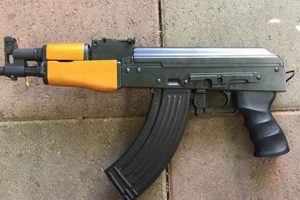
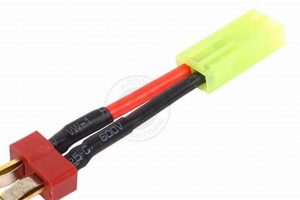
Equipment mastery constitutes a critical component for achieving airsoft elite status. It is more than simple ownership; it represents a comprehensive understanding of airsoft equipment, encompassing functionality, maintenance, customization, and strategic application. This mastery directly affects a player’s ability to perform consistently at a high level. In airsoft, the effective use of equipment becomes a force multiplier. For example, a player who thoroughly understands the inner workings of their airsoft gun can diagnose and repair malfunctions quickly on the field, minimizing downtime and maintaining combat effectiveness. This contrasts sharply with a player who lacks such knowledge and is rendered ineffective by a simple equipment failure.
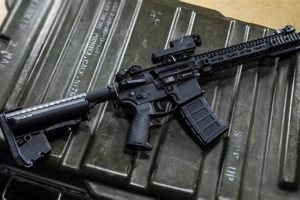
The importance of equipment mastery extends beyond immediate functionality. Players must also understand how to optimize their equipment for specific roles and scenarios. This includes selecting the appropriate gear for different environments, configuring weapon attachments for enhanced performance, and maintaining equipment in optimal condition through regular cleaning and preventative maintenance. Snipers, for instance, require a deep understanding of their rifles, including the hop-up system, barrel quality, and optimal BB weight, to achieve consistent accuracy at long ranges. A player focused on close-quarters combat will configure their equipment for agility and rapid target acquisition. Therefore, equipment mastery leads to tactical flexibility and enhanced performance across a range of combat situations.
Ultimately, equipment mastery differentiates the airsoft elite from casual participants. It enables players to extract maximum performance from their equipment, adapting to changing circumstances and maintaining a competitive edge. While skill and tactical awareness are essential, the ability to effectively utilize and maintain equipment is often the deciding factor in close engagements. Overcoming equipment limitations and maximizing potential requires dedication, technical knowledge, and a commitment to continuous learning. Embracing equipment mastery is crucial for any individual or team aspiring to reach the upper echelons of the airsoft community.
5. Strategic Planning

Strategic planning forms a core tenet distinguishing airsoft elite players and teams from their less accomplished counterparts. It encompasses the development and execution of long-term objectives, encompassing resource allocation, tactical maneuvers, and contingency planning. Effective strategic planning considers terrain analysis, enemy capabilities, and friendly resources to formulate a coherent plan of action designed to achieve specific objectives. For example, a team meticulously planning a multi-stage attack on a fortified compound, assigning roles, designating fallback positions, and coordinating timed movements demonstrates the practical application of strategic planning. The result is a coordinated and efficient execution, maximizing the likelihood of success and minimizing potential casualties.
The absence of strategic planning often leads to disorganized gameplay, reactive decision-making, and ultimately, mission failure. Conversely, teams that invest time and effort in developing comprehensive strategies gain a significant advantage. This includes analyzing past performance to identify strengths and weaknesses, conducting reconnaissance to gather intelligence on enemy positions and tactics, and adapting plans based on real-time battlefield conditions. Consider a team analyzing video footage of previous engagements to identify predictable enemy movement patterns. By anticipating these patterns, the team can develop countermeasures and exploit vulnerabilities, gaining a strategic edge. This preparation allows for proactive decision-making, rather than simply reacting to events as they unfold.
In conclusion, strategic planning represents a fundamental element of airsoft elite performance. Its presence or absence directly impacts a team’s ability to achieve its objectives, adapt to changing circumstances, and maintain a competitive edge. Overlooking the importance of strategic planning undermines individual skill and tactical proficiency, preventing teams from reaching their full potential. Therefore, a commitment to rigorous planning, analysis, and adaptation is crucial for any individual or team seeking to attain the elite level within the airsoft community.
6. Physical Endurance

Physical endurance constitutes a critical, often underestimated, component of achieving “airsoft elite” status. The demanding nature of airsoft, characterized by prolonged periods of running, crouching, and carrying equipment, necessitates a high level of physical conditioning. A direct correlation exists between physical endurance and sustained performance on the field. Insufficient endurance leads to decreased reaction time, impaired decision-making, and increased susceptibility to injury, hindering a player’s ability to maintain peak performance throughout extended engagements. Elite players understand that tactical proficiency is amplified by the capacity to execute strategies consistently, without being limited by physical fatigue. For instance, a player with superior tactical knowledge and marksmanship skills may be rendered ineffective if they lack the stamina to maintain a strategic position or execute a flanking maneuver effectively. Their physical limitations compromise their ability to translate their skills into tangible results on the field.
The practical implications of neglecting physical endurance are substantial. Diminished stamina impacts accuracy, as muscle fatigue leads to unsteady aiming and compromised trigger control. Reduced agility restricts movement, limiting the ability to quickly reposition, take cover, or evade enemy fire. Moreover, fatigue impairs cognitive function, affecting situational awareness and the ability to make sound tactical decisions under pressure. Conversely, airsoft elite players who prioritize physical conditioning gain a significant advantage. They can maintain a higher level of performance for longer durations, outmaneuvering opponents and capitalizing on opportunities that arise later in the game. The commitment to physical fitness extends beyond game day preparation, encompassing a lifestyle of regular exercise, proper nutrition, and adequate rest. A structured fitness regimen focused on cardiovascular endurance, strength training, and agility drills can significantly enhance a player’s physical capabilities, translating to improved performance and increased survivability on the airsoft field.
In conclusion, the connection between physical endurance and “airsoft elite” is undeniable. Physical conditioning should be viewed as an integral aspect of airsoft training, not merely an optional supplement. While tactical knowledge and equipment proficiency are crucial, they are ultimately dependent on a player’s physical capacity to execute strategies effectively. Prioritizing physical endurance elevates the player’s overall capabilities, enabling them to sustain peak performance, endure demanding scenarios, and maximize their contribution to the team’s success. Addressing the physical aspect of airsoft is essential for those aspiring to reach the elite level, ensuring they possess the stamina, agility, and resilience necessary to excel in the demanding world of competitive airsoft. Challenges in achieving such physical prowess stem from time constraints, lack of structured training programs tailored to airsoft demands, and underestimation of physical conditioning’s impact on gameplay effectiveness.
Frequently Asked Questions Regarding Airsoft Elite
This section addresses common inquiries and misconceptions surrounding the concept of airsoft elite, providing clarity and context for those seeking a deeper understanding.
Question 1: What criteria define a player or team as “airsoft elite?”
The designation is not officially recognized, but rather attributed based on consistent demonstration of superior skill, tactical proficiency, team coordination, equipment mastery, strategic planning, and physical endurance. The individual or team consistently surpasses average performance in competitive environments.
Question 2: Is “airsoft elite” solely about winning competitions?
While competitive success is a strong indicator, it is not the only factor. Demonstrating exceptional skill, ethical conduct, and contributing positively to the airsoft community are also considered important attributes.
Question 3: What is the most crucial skill for achieving airsoft elite status?
No single skill is paramount. The most successful individuals and teams possess a well-rounded skill set encompassing marksmanship, tactical acumen, team coordination, and a deep understanding of the game.
Question 4: Is expensive equipment necessary to be considered “airsoft elite?”
While high-quality equipment can enhance performance, it is not a substitute for skill and tactical knowledge. A player with limited resources but superior skills can often outperform those with expensive gear and less experience.
Question 5: How does one improve their chances of reaching airsoft elite status?
Consistent training, focused practice, active participation in organized events, seeking guidance from experienced players, and a commitment to continuous improvement are essential for developing the necessary skills and experience.
Question 6: Is there a formal ranking system or organization that governs “airsoft elite” players?
No officially recognized ranking system or governing body exists. Recognition is primarily based on reputation, competitive results, and peer acknowledgment within the airsoft community.
Achieving recognition as airsoft elite requires a multifaceted approach, encompassing dedication, skill development, ethical conduct, and a commitment to continuous improvement.
The following section will provide insights into resources available for improving airsoft skills and advancing toward peak performance.
Airsoft Elite
This exploration of “airsoft elite” has detailed the multifaceted attributes necessary for achieving superior performance in the sport. Exceptional marksmanship, tactical acumen, team coordination, equipment mastery, strategic planning, and physical endurance have been identified as key components. Furthermore, a deeper understanding of these concepts reveals their interconnectedness and synergistic effects on overall effectiveness. The attainment of such status requires sustained effort, dedication to continuous improvement, and a comprehensive approach encompassing physical, mental, and technical aspects of the game.
The pursuit of “airsoft elite” extends beyond individual accolades and competitive success. It represents a commitment to upholding the highest standards of skill, sportsmanship, and ethical conduct within the airsoft community. The continued evolution of the sport depends on the dedication of individuals striving for excellence, contributing to innovation, and fostering a culture of continuous improvement. Therefore, aspiring to such heights is not merely about winning; it is about advancing the standards and enriching the overall experience for all participants.