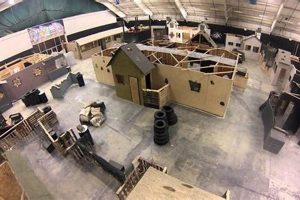
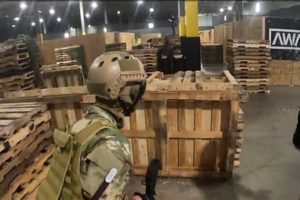
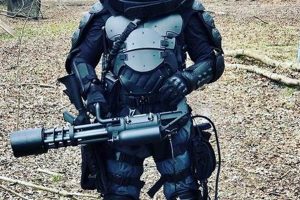
The activity involves simulated combat scenarios utilizing realistic replica firearms that discharge non-lethal projectiles within enclosed environments. These projectiles, typically small plastic BBs, necessitate protective gear for participants. Gameplay occurs in arenas designed to mimic urban environments, building complexes, or other tactical settings.
The controlled nature of such engagements allows for focused skill development, strategic planning, and team coordination. The controlled environment provides opportunities for tactical exercises and scenario-based training, offering a safe and regulated platform for both recreational players and those seeking to improve their capabilities. This format has also witnessed a growth in popularity due to its accessibility year-round, unaffected by weather conditions that might hinder outdoor play.
The following sections will delve into specific arena designs, safety protocols employed, commonly used equipment, and prevalent game modes found within this particular segment of the broader airsoft community. Further discussion will cover the rules of engagement, ethical considerations, and the overall impact on player development.
Airsoft Indoors
Successful engagement in enclosed airsoft arenas necessitates a distinct approach compared to outdoor fields. Spatial awareness, tactical maneuvering, and weapon handling become paramount due to the close-quarters nature of the environment. The following tips address critical elements for effective performance.
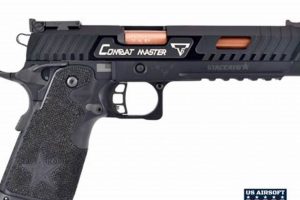
Tip 1: Prioritize Close-Quarters Combat (CQB) Weaponry: Opt for airsoft replicas with higher rates of fire and maneuverability. Pistols, shotguns, and shorter carbines offer an advantage in tight spaces. Consider gas blowback (GBB) models for enhanced realism and training value.
Tip 2: Master Room Clearing Techniques: Employ systematic procedures for entering and securing rooms. Pie-slicing, threshold assessment, and coordinated team movement are essential. Practice these techniques in a safe environment before engaging in live gameplay.
Tip 3: Utilize Cover and Concealment Effectively: Maximize the use of available obstacles and structures for protection. Move between cover points strategically, minimizing exposure to enemy fire. Understand the difference between concealment (hiding behind something) and cover (being protected by something).
Tip 4: Communicate Clearly and Concisely: Establish a clear communication protocol with teammates. Use standardized callouts for enemy positions, movement, and status updates. Avoid unnecessary chatter that could compromise your team’s position.
Tip 5: Practice Situational Awareness: Maintain constant vigilance of the surrounding environment. Listen for auditory cues, observe potential ambush points, and anticipate enemy movements. A heightened sense of awareness significantly increases survivability.
Tip 6: Adapt Your Playstyle: Be flexible and adjust tactics based on the arena layout and the opposing team’s strategies. Avoid predictable patterns and constantly seek opportunities to exploit weaknesses.
Tip 7: Maintain Weapon Proficiency: Regular practice with preferred airsoft replicas is crucial for accurate shot placement and rapid target acquisition. Dry-fire drills and target practice can significantly improve weapon handling skills.
Adherence to these tactical considerations provides a distinct advantage in the fast-paced and challenging environment of indoor airsoft arenas. Skillful application of these techniques translates directly into enhanced performance, increased survivability, and improved overall gameplay experience.
The next section addresses specific safety protocols and arena regulations that are paramount for a secure and enjoyable airsoft experience.
1. Arena Construction

The architecture of indoor airsoft facilities significantly dictates the gameplay experience. Arena designs are intentionally created to simulate diverse combat environments, influencing tactical approaches and engagement distances. For example, some facilities emulate urban landscapes with interconnected rooms, corridors, and simulated streetscapes. This necessitates close-quarters combat (CQB) tactics and emphasizes rapid target acquisition. Other facilities may feature more open layouts with strategically placed barriers and obstacles, encouraging flanking maneuvers and longer-range engagements. The effective use of cover, concealment, and chokepoints is directly correlated to the arena’s structural design.
The selection of building materials also plays a crucial role in player safety and realism. Walls and barriers are commonly constructed from durable, impact-resistant materials such as plywood, reinforced plastics, or even shipping containers. These materials must withstand repeated impacts from airsoft projectiles without splintering or posing a risk of injury. Additionally, proper lighting and ventilation are critical considerations. Insufficient lighting can increase the risk of accidental collisions or misidentification of targets, while inadequate ventilation can lead to discomfort and potential health concerns due to prolonged exertion in a confined space. Safety netting or barriers are often implemented to prevent projectiles from leaving the playing area and endangering spectators or personnel outside the arena.
In conclusion, the design and construction of indoor airsoft arenas are inextricably linked to the overall experience. Thoughtful planning and execution are essential to create challenging, engaging, and, most importantly, safe environments for participants. The layout and materials directly influence gameplay tactics, player safety, and the overall realism of the simulated combat scenario. Continual evaluation and adaptation of arena designs are necessary to meet the evolving needs and expectations of the airsoft community.
2. Protective Gear

The inherent risks associated with projectile-based activities necessitate the mandatory use of protective equipment. Within the context of airsoft in enclosed environments, the confines of indoor arenas amplify the potential for close-range impacts, making comprehensive protective gear paramount to participant safety.
- Eye Protection
Eye protection is non-negotiable. Full-seal goggles or a full face mask meeting ANSI Z87.1 standards are mandatory. These prevent projectile penetration and shattering upon impact, safeguarding vision. Mesh goggles, while offering ventilation, are generally discouraged due to the potential for small BB fragments to pass through.
- Facial Protection
Beyond eye protection, covering the lower face is highly recommended. A mesh lower face mask, a balaclava in conjunction with goggles, or a full face mask mitigates the risk of dental and facial injuries from direct projectile hits. Indoor arenas often involve close-quarters engagements where the face is a vulnerable target.
- Body Armor/Protective Clothing
While not always mandatory, protective clothing and body armor enhance participant safety and comfort. Thick clothing, vests, or padded layers can absorb impact energy from airsoft projectiles, reducing welts and bruising. Some players opt for specialized tactical vests, providing both protection and load-bearing capabilities.
- Head Protection
Head protection minimizes the risk of head injuries resulting from accidental collisions or direct projectile impacts. Helmets or sturdy headgear, such as bump caps, offer protection to the skull and scalp. While not always mandatory, head protection is particularly relevant in dynamic indoor environments with obstacles and close-quarters maneuvering.
The selection and proper utilization of appropriate protective gear are intrinsically linked to the safety and enjoyment of indoor airsoft activities. Regular inspection and maintenance of protective equipment are essential to ensure its continued effectiveness. Arena operators bear a responsibility to enforce mandatory safety regulations and provide guidance on appropriate gear selection. The collective commitment to prioritizing safety through comprehensive protective measures contributes to a secure and responsible airsoft environment.
3. Velocity Limits

The implementation of velocity limits within indoor airsoft facilities is a critical safety measure directly impacting participant well-being. Airsoft replicas, while designed for recreational use, propel projectiles with sufficient force to cause injury. The potential for harm is amplified within the confined spaces of indoor arenas, where engagement distances are often reduced, and reaction times are diminished. Velocity limits, typically measured in feet per second (FPS) using 0.20g BBs, are strictly enforced to mitigate the risk of serious injuries such as eye damage, broken teeth, or skin lacerations. These limits are often lower than those permitted at outdoor fields to account for the closer engagement ranges.
Adherence to established velocity limits is not merely a suggestion but a fundamental requirement for responsible airsoft gameplay. Chronographs, devices used to measure projectile velocity, are routinely employed by arena staff to verify that replicas comply with the stipulated restrictions. Replicas exceeding the specified FPS threshold are typically prohibited from use until modifications are made to reduce their power output. Some arenas may implement a “joule limit” instead of FPS, which measures the energy of the projectile, providing a more comprehensive assessment of potential impact force. The practical application of velocity limits necessitates consistent monitoring, strict enforcement, and player education regarding the importance of compliance. Penalties for exceeding velocity limits can range from temporary suspension to permanent expulsion from the facility.
In summary, velocity limits are an indispensable component of safe indoor airsoft operations. Their effective implementation requires a multifaceted approach encompassing rigorous testing, consistent enforcement, and ongoing player education. The enforcement of these limits demonstrates a commitment to prioritizing participant safety and fostering a responsible airsoft environment. Failure to adhere to established velocity limits can have significant consequences, not only for individual players but also for the overall reputation and viability of the airsoft facility.
4. Close Quarters
Airsoft in indoor environments is inherently characterized by close-quarters combat (CQB). The confined spaces of indoor arenas, as opposed to the open expanses of outdoor fields, dictate engagement distances and tactical considerations. This proximity necessitates a shift in weapon selection, maneuvering techniques, and overall strategic planning. The prevalence of CQB scenarios represents a defining feature of this activity and a primary driver of its unique appeal.
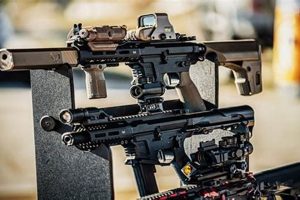
The emphasis on CQB within these arenas directly influences equipment choices. Lighter, more maneuverable airsoft replicas, such as pistols and short-barreled rifles, gain prominence due to their suitability for navigating tight corners and engaging targets at reduced ranges. Conversely, longer, heavier rifles become less advantageous. Furthermore, specialized training and tactical doctrines centered on room clearing, dynamic entry, and team communication become essential skills. The effectiveness of these tactics directly correlates with success within a CQB environment. Consider, for example, a team that has practiced coordinated entry techniques; their ability to quickly and efficiently secure a room offers a significant advantage over a team that relies on individual, uncoordinated actions. This highlights the practical significance of understanding the CQB nature of airsoft indoors.
In summary, the link between close quarters and airsoft indoors is causal and fundamental. The confined nature of these environments necessitates the adoption of specific equipment, tactics, and training methodologies. Recognizing and adapting to the demands of CQB are essential for maximizing performance and ensuring participant safety. While the focus on CQB presents unique challenges, it also contributes to the distinctive and engaging nature of this particular format. This understanding underscores the need for specialized training and equipment selection to optimize the indoor airsoft experience.
5. Scenario Design

Scenario design constitutes a critical element within indoor airsoft, directly shaping the gameplay experience and strategic demands placed upon participants. The limitations imposed by enclosed spaces necessitate meticulously crafted scenarios to maximize engagement and tactical variety. Poorly designed scenarios can lead to repetitive gameplay, safety concerns, and a diminished overall experience. Conversely, well-designed scenarios enhance strategic thinking, promote teamwork, and contribute to a more immersive and challenging activity. One example of effective scenario design involves a simulated hostage rescue, requiring a team to navigate a complex environment, neutralize opposing forces, and safely extract non-combatant actors. This type of scenario demands careful coordination, communication, and a well-defined plan of action. The practical significance lies in the ability to replicate real-world tactical situations, offering participants a challenging and engaging experience while fostering valuable team-building skills.
Different scenario types cater to diverse player preferences and skill levels. Objective-based scenarios, such as capture-the-flag or bomb defusal, encourage strategic movement and calculated risk-taking. Team deathmatch scenarios, while simpler in concept, demand rapid reflexes and effective communication. The integration of variable objectives, dynamic environmental elements, and limited resources further enhances scenario complexity and replayability. For instance, a scenario might incorporate a timer, requiring teams to complete their objectives within a specific timeframe, adding a layer of urgency and strategic decision-making. Or consider a scenario where specific areas of the arena are designated as “contaminated,” restricting movement and necessitating the use of protective gear, thus adding realism and further complicating the task.
In conclusion, scenario design is not merely an ancillary aspect but rather a foundational element that defines the character and quality of indoor airsoft. Thoughtfully constructed scenarios foster strategic gameplay, promote teamwork, and enhance the overall experience. Challenges in scenario design include balancing realism with playability and ensuring fairness and safety. By focusing on creating diverse, engaging, and strategically demanding scenarios, indoor airsoft facilities can provide participants with a more rewarding and memorable experience, contributing to the continued growth and popularity of this activity.
6. Team Tactics
The constrained environments inherent to indoor airsoft amplify the significance of coordinated team tactics. Open outdoor fields permit individual maneuvering and engagements over extended ranges. Conversely, the labyrinthine layouts of indoor arenas necessitate synchronized movement, communication, and specialized role assignments to achieve objectives effectively. The limitations of space mandate a shift from individual prowess to cohesive unit action. A well-executed team strategy can overcome superior individual skill, highlighting the practical advantage of tactical proficiency. For example, a team employing a wedge formation to breach a room, with designated roles for point man, flank security, and rear guard, will consistently outperform a team entering haphazardly. This cause-and-effect relationship underscores the pivotal role of pre-planned tactics in securing objectives and minimizing casualties. The importance of team tactics is not merely theoretical; it is a demonstrable determinant of success within this activity.
Practical applications of team tactics extend beyond simple formations and room-clearing techniques. Effective communication protocols, utilizing standardized callouts for enemy positions, movements, and potential threats, are essential for maintaining situational awareness and coordinating team responses. Pre-determined fallback positions and contingency plans for unexpected engagements contribute to a more resilient and adaptable team dynamic. Furthermore, the assignment of specialized roles, such as designated marksman, support gunner, or medic, allows for a more efficient allocation of resources and skills. Teams that invest time in practicing these tactics through drills and scenario simulations gain a distinct advantage over those that rely solely on improvisation. Consider a scenario where a team encounters an ambush; a pre-established fallback procedure, combined with clear communication, enables them to disengage safely and reposition, minimizing losses and maintaining their strategic advantage. This illustrates the practical benefit of investing in training and developing coherent team tactics.
In summary, the connection between team tactics and indoor airsoft is integral and inextricably linked. The nature of indoor arenas necessitates a shift from individual action to coordinated team movements. Effective communication, pre-determined strategies, and specialized role assignments are crucial for success. While individual skill remains relevant, it is the cohesive execution of well-developed team tactics that ultimately dictates the outcome of engagements. Challenges include overcoming communication barriers, coordinating diverse skill sets, and adapting to rapidly changing circumstances. Despite these challenges, the implementation of effective team tactics significantly enhances performance, minimizes risks, and contributes to a more rewarding and engaging experience. The development and practice of solid team tactics represent a critical investment for individuals and teams seeking to excel within the challenging environment of indoor airsoft.
7. Clear Communication

Effective communication forms a cornerstone of successful operations in airsoft indoors. The confined spaces, dynamic scenarios, and fast-paced engagements necessitate a clear and concise exchange of information among team members. The ability to rapidly relay critical details can directly influence mission outcomes and participant safety.
- Standardized Terminology
The adoption of pre-defined terms and callouts mitigates ambiguity and facilitates rapid comprehension. Standardized terminology addresses enemy positions (e.g., “Contact front, window”), movement (“Moving to cover”), and status updates (“Need medic”). The absence of agreed-upon language introduces confusion and delays response times, directly hindering team effectiveness. In a CQB scenario, a clear and immediate callout of “Breaching left” can be the difference between a successful entry and a fatal engagement.
- Concise Information Transfer
The efficient transmission of critical information is paramount. Brevity and relevance are essential to avoid overwhelming team members with superfluous data. Communicating only the necessary details regarding threats, objectives, and teammate locations minimizes cognitive overload and enables faster decision-making. Transmitting complex descriptions during a firefight slows reaction times. For example, stating “Three tangos, hallway” is more effective than “There are three enemy players down the hallway near the objective.”
- Active Listening and Acknowledgement
Effective communication is a two-way process. Actively listening to incoming information and providing acknowledgment ensures that messages are received and understood. This confirmation loop prevents misunderstandings and reinforces team coordination. A simple “Copy” or “Understood” demonstrates message receipt and allows the sender to proceed with confidence. Failure to acknowledge critical instructions can lead to misinterpretations and potentially disastrous outcomes.
- Non-Verbal Cues
While verbal communication is primary, non-verbal cues can supplement and reinforce conveyed information. Hand signals, visual indicators, and pre-arranged physical actions can communicate intent silently and effectively, especially in situations where verbal communication is compromised (e.g., due to noise or proximity to opposing forces). A simple hand gesture indicating “move forward” or “hold position” can provide critical guidance without alerting the enemy.
The facets above underscore that clear communication is not simply a desirable attribute, but a crucial requirement for success in airsoft indoors. The coordinated application of standardized terminology, concise information transfer, active listening, and non-verbal cues enhances team cohesion, improves decision-making, and ultimately contributes to a safer and more engaging experience. The absence of these elements can lead to confusion, miscommunication, and compromised outcomes, demonstrating that clear communication serves as a pivotal determinant of team performance.
Frequently Asked Questions
This section addresses common inquiries and concerns related to participation in airsoft activities conducted within enclosed environments. Information is presented in a straightforward, objective manner to provide clarity and understanding.
Question 1: Is eye protection truly mandatory for airsoft indoors?
Affirmative. ANSI Z87.1 rated full-seal goggles or a full face mask are non-negotiable requirements at all reputable indoor airsoft facilities. The close engagement distances characteristic of indoor play significantly increase the risk of eye injury from projectile impacts. Compliance is strictly enforced.
Question 2: What FPS (feet per second) limits are typically enforced in indoor airsoft arenas?
Velocity limits vary between facilities but generally range from 300 to 350 FPS with 0.20g BBs. This reduction compared to outdoor limits reflects the reduced engagement distances. Some facilities may utilize joule limits as an alternative measurement of projectile energy. Chronograph testing is standard procedure to ensure compliance.
Question 3: What are the common arena design elements in airsoft indoors?
Indoor arenas often simulate urban environments with interconnected rooms, corridors, and simulated streetscapes. Common features include strategically placed barriers, cover points, and chokepoints to facilitate tactical gameplay. Durable, impact-resistant materials such as plywood or reinforced plastics are utilized for construction.
Question 4: Are there specific tactical considerations unique to indoor airsoft engagements?
Indeed. Close-quarters combat (CQB) tactics are paramount. Emphasis is placed on room clearing techniques, coordinated team movement, and the utilization of lighter, more maneuverable airsoft replicas. Spatial awareness and rapid target acquisition are critical skills.
Question 5: How does scenario design impact the airsoft indoors experience?
Scenario design greatly shapes the nature of engagements. Objective-based scenarios such as capture-the-flag or bomb defusal promote strategic thinking and teamwork. Well-designed scenarios integrate variable objectives, dynamic environmental elements, and limited resources to enhance complexity and replayability.
Question 6: Is specialized training recommended for indoor airsoft participation?
While not always mandatory, specialized training in CQB tactics, communication protocols, and weapon handling significantly enhances performance and safety. Structured training programs provide participants with the necessary skills to navigate complex indoor environments effectively.
In summary, participation in airsoft indoors necessitates adherence to safety regulations, an understanding of unique tactical considerations, and a commitment to responsible gameplay. Prioritizing safety, employing effective communication, and embracing strategic thinking are essential for a positive and rewarding experience.
The subsequent section will explore ethical considerations and responsible conduct within the airsoft community.
Airsoft Indoors
This exploration has illuminated the multifaceted nature of “airsoft indoors,” underscoring its unique demands and considerations. From the foundational importance of stringent safety protocols, including mandatory protective gear and enforced velocity limits, to the tactical adaptations necessitated by close-quarters combat, the indoor airsoft environment presents a distinct set of parameters. The design of arena spaces, the structure of gameplay scenarios, and the premium placed on clear communication and coordinated team tactics collectively define the characteristics of this specific application of the broader airsoft activity.
The continued growth and responsible practice of “airsoft indoors” depend on unwavering adherence to established safety standards, ongoing development of engaging and challenging scenarios, and a collective commitment to ethical conduct among participants. Future advancements in equipment technology, arena design, and training methodologies will undoubtedly shape the evolution of this activity. Ultimately, the sustained viability of “airsoft indoors” relies on fostering a culture of safety, respect, and strategic engagement, ensuring a rewarding and positive experience for all involved.