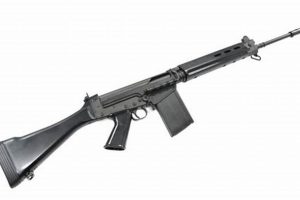
These replicas are typically designed to mimic the appearance and handling of actual Beretta firearms, but they fire plastic BBs instead of live ammunition. They are often used for recreational target shooting, training exercises, or as collectibles. The construction materials can vary widely, ranging from plastic to metal, influencing their weight, durability, and overall realism.
Their popularity stems from their ability to provide a realistic experience without the dangers associated with real firearms. This allows enthusiasts to practice firearm handling skills, participate in simulated combat scenarios, or simply enjoy the aesthetic and tactile aspects of owning a Beretta replica. The historical connection to the Beretta brand adds to the appeal for many consumers.
The following sections will delve into the various types available, discuss the legal considerations surrounding their ownership and use, and explore their role in both recreational and training contexts.
Guidance on Beretta Airsoft Replicas
Optimal performance and responsible usage of Beretta airsoft replicas require careful consideration. The following guidelines aim to enhance user experience and ensure safe handling.
Tip 1: Understand Legal Regulations: Before acquiring a replica, thoroughly research local laws concerning ownership, transportation, and usage. Regulations vary significantly by jurisdiction, and compliance is essential.
Tip 2: Prioritize Protective Gear: Always wear appropriate eye protection designed to withstand the impact of airsoft BBs. Consider additional gear such as face masks, gloves, and body armor, particularly during competitive play.
Tip 3: Maintain the Replica Regularly: Clean and lubricate the internal mechanisms according to the manufacturer’s instructions. Proper maintenance extends the lifespan of the replica and ensures consistent performance.
Tip 4: Use Quality Ammunition: Employ high-quality BBs of the correct weight and diameter specified for the replica. Inferior ammunition can damage internal components and negatively affect accuracy.
Tip 5: Store Safely and Securely: When not in use, store the replica in a secure location, out of reach of children and unauthorized individuals. Consider using a lockable case or container.
Tip 6: Practice Responsible Handling: Treat the replica as if it were a real firearm. Avoid pointing it at anything that is not intended as a target, and keep the finger off the trigger until ready to fire.
Tip 7: Chronograph Regularly: Check the replica’s muzzle velocity using a chronograph to ensure it complies with field regulations and local laws. Adjust settings or make repairs if velocity exceeds acceptable limits.
Adherence to these guidelines promotes safe operation, prolongs the life of the replica, and enhances the overall user experience.
The subsequent sections will further explore common accessories and modifications available for Beretta airsoft replicas.
1. Realism

The degree of realism in Beretta airsoft replicas significantly influences their appeal and intended use. The external appearance, weight, and operational mechanics of the replica often mirror those of the actual Beretta firearm. This fidelity is a primary driver for collectors seeking authentic representations and for training purposes where replicating the feel and handling of a real firearm is crucial. The level of detail, from the markings to the materials used, directly affects the perceived value and utility of the airsoft replica.
For example, high-end Beretta airsoft replicas may feature full metal construction, functioning safety mechanisms, and realistic blowback actions, mimicking the recoil and cycling of a real firearm. These features enhance the immersive experience for recreational users and provide valuable training tools for law enforcement or military personnel. Conversely, lower-cost models might prioritize affordability over exacting detail, utilizing plastic components and simplified mechanics, which affects their suitability for certain applications.
In essence, the pursuit of realism in Beretta airsoft replicas is a balancing act between cost, functionality, and intended purpose. While a high degree of accuracy enhances the experience and provides practical training value, it also increases the complexity and cost of production. Understanding the correlation between realism and these factors is crucial for consumers and manufacturers alike.
2. Accuracy

The accuracy of a Beretta airsoft replica directly impacts its usability and value. Inaccurate replicas diminish the realism of simulated firearm handling and reduce their effectiveness for target practice or training. This accuracy is influenced by several factors, including the quality of internal components, the consistency of gas pressure (in gas-powered models), and the precision of the barrel. A well-designed and properly maintained Beretta airsoft replica should be capable of consistently hitting a designated target at a reasonable range, typically between 20 and 50 feet.
The selection of ammunition also plays a significant role in accuracy. Using high-quality, uniform BBs is crucial for minimizing deviations in trajectory. Variations in BB weight, shape, or surface imperfections can lead to inconsistent shot patterns and reduced accuracy. Furthermore, proper maintenance, such as cleaning the barrel and ensuring the hop-up system is correctly adjusted, is essential for maintaining optimal accuracy over time. A hop-up system imparts backspin to the BB, increasing its range and accuracy by counteracting the effects of gravity.
In summary, the accuracy of Beretta airsoft models depends on a combination of design, maintenance, and ammunition quality. Achieving a high level of accuracy requires careful attention to these factors. Without it, the perceived realism and practical utility of the replica are compromised, limiting its appeal for both recreational and training purposes.
3. Durability

Durability, in the context of Beretta airsoft replicas, refers to the replica’s ability to withstand repeated use and potential environmental stressors without significant degradation in performance or structural integrity. It is a critical factor influencing the lifespan, reliability, and overall value of the product.
- Material Composition
The materials used in the construction of the replica significantly impact its durability. Replicas constructed from high-grade metals, such as aluminum alloys or steel, generally exhibit greater resistance to wear and tear compared to those made primarily from plastic. For instance, a metal slide on a gas blowback model is less prone to cracking or breaking under the stress of repeated cycling than a plastic equivalent. The choice of materials directly correlates with the replica’s ability to withstand impacts, temperature fluctuations, and prolonged use.
- Internal Component Quality
The quality and design of internal components are crucial for ensuring long-term reliability. Gears, pistons, and valves within the firing mechanism are subject to significant stress during operation. High-quality components, manufactured from durable materials and designed with precision, minimize the risk of failure. For example, a reinforced piston head in an AEG (Automatic Electric Gun) replica can significantly increase its resistance to wear and tear compared to a standard plastic piston head. Failures in internal components can render the replica inoperable or significantly degrade its performance.
- Construction and Assembly
The method of construction and assembly techniques employed play a vital role in the overall durability. Secure and precise assembly minimizes the risk of parts loosening or shifting during use. Reinforced frames and properly secured components contribute to the structural integrity of the replica. A well-constructed replica will be able to withstand the vibrations and stresses associated with repeated firing without developing excessive play or structural weaknesses.
- Environmental Resistance
The ability to withstand environmental factors, such as moisture, dust, and UV exposure, also contributes to durability. Replicas exposed to harsh environmental conditions can experience accelerated degradation if not properly protected. Corrosion of metal parts or embrittlement of plastic components can lead to premature failure. Proper storage and maintenance practices, such as regular cleaning and lubrication, are essential for mitigating the effects of environmental exposure.
These factors underscore that a durable Beretta airsoft replica requires a careful balance of material selection, component quality, construction techniques, and environmental protection. Investing in a replica that prioritizes these elements translates to a longer lifespan, more reliable performance, and a greater overall value proposition.
4. Gas Type

The selection of gas type is a crucial factor in determining the performance and operational characteristics of Beretta airsoft replicas. The type of gas used directly influences the replica’s power output, recoil, and overall reliability.
- Green Gas/Propane
Green gas, primarily composed of propane with added silicone oil, is a common propellant for airsoft replicas. It offers a balance of power and affordability, making it a popular choice for both recreational and competitive use. However, its performance can be affected by temperature, with lower temperatures resulting in reduced gas pressure and diminished power. Propane, although chemically similar to green gas, requires the use of an adapter and may not contain the same lubricating additives, potentially increasing wear on internal components.
- CO2 (Carbon Dioxide)
CO2 cartridges provide higher pressure and, consequently, greater power compared to green gas. Replicas powered by CO2 often exhibit a more pronounced recoil and are generally less susceptible to temperature fluctuations. However, the higher pressure can also place greater stress on internal components, potentially reducing the replica’s lifespan. CO2 systems typically require specialized magazines or adapters designed to accommodate the cartridges.
- HPA (High-Pressure Air)
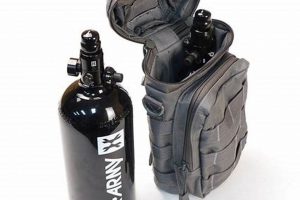
HPA systems utilize compressed air stored in external tanks connected to the replica via a hose. This system offers the most consistent performance and allows for adjustable pressure settings, providing fine-tuned control over power output. HPA systems are typically more expensive and require additional equipment, such as a regulator and air tank, but they offer superior reliability and consistency compared to gas-powered systems.
- Red Gas/Higher Pressure Gases
While less common, some users experiment with higher pressure gases, often referred to as “red gas.” These gases can significantly increase the power output of a replica, but they also pose a greater risk of damaging internal components due to the increased stress. The use of such gases is generally discouraged by manufacturers and may void warranties.
The choice of gas type for a Beretta airsoft replica is contingent upon the desired performance characteristics, budget, and level of maintenance the user is willing to undertake. Understanding the properties and limitations of each gas type is essential for ensuring safe and optimal operation.
5. Maintenance

Effective maintenance is intrinsically linked to the longevity and optimal performance of Beretta airsoft replicas. The mechanical intricacies and material compositions of these replicas necessitate regular upkeep to mitigate wear and prevent malfunctions. Neglecting maintenance can lead to a cascade of issues, ranging from reduced accuracy and gas leaks to complete system failure. The cause-and-effect relationship is direct: consistent care prolongs functionality, while neglect precipitates deterioration. Consider a gas blowback model; without regular lubrication of the moving parts, friction increases, leading to slower cycling, reduced gas efficiency, and accelerated wear on the slide and frame. Similar effects are observed in electric models, where neglected gearboxes can suffer from premature wear and motor strain.
The importance of maintenance extends beyond mere operational longevity; it also impacts safety. A malfunctioning replica, due to neglect, can pose a risk to the user and others. For example, a damaged hop-up unit can cause erratic BB trajectories, potentially leading to unintended impacts. Regular cleaning is essential to prevent the accumulation of dirt and debris, which can interfere with the replica’s internal mechanisms. Disassembling and inspecting the replica periodically allows for the early detection of potential problems, such as cracked components or worn seals. Addressing these issues proactively prevents more serious failures down the line. Field stripping and cleaning after each use, particularly in environments with dirt or moisture, represent a best practice among experienced airsoft enthusiasts.
In conclusion, maintenance is an indispensable component of Beretta airsoft replica ownership. It is not merely a supplementary task but an integral process that ensures both the reliable function and safe operation of the replica. While the specific maintenance routines vary based on the type of replica (gas, electric, spring) and its construction materials, the underlying principle remains the same: consistent and thorough care preserves performance and mitigates risks. Failure to recognize and implement this principle results in diminished value and compromised safety.
6. Regulations

Regulations governing the possession, use, and transportation of airsoft replicas, including Beretta airsoft models, constitute a complex and often disparate legal landscape. These regulations are critical to understand, as non-compliance can result in legal penalties, including fines, confiscation of the replica, or even criminal charges. The specific nature of these regulations varies significantly based on jurisdiction.
- Federal Law and Distinguishing Marks
Federal law in some countries mandates specific markings for airsoft replicas to differentiate them from actual firearms. These markings may include orange tips, solid colors, or specific dimensions. Failure to adhere to these federal marking requirements can lead to the replica being classified as an illegal firearm, resulting in severe legal consequences. The absence of such markings can create ambiguity and potentially lead to misidentification by law enforcement.
- State and Local Restrictions on Ownership and Use
Beyond federal regulations, state and local laws often impose additional restrictions on the ownership and use of airsoft replicas. Some jurisdictions may prohibit the possession of airsoft replicas by minors, while others may restrict their use to designated areas, such as private property or sanctioned airsoft fields. Certain municipalities may even classify airsoft replicas as “air guns,” subjecting them to the same regulations as pellet guns or BB guns, which often include restrictions on transportation and storage.
- Transportation and Concealment Regulations
Regulations concerning the transportation of airsoft replicas are particularly important to consider. Many jurisdictions require that airsoft replicas be transported in a closed case or container, separate from ammunition and out of plain sight. Concealing an airsoft replica in public can be construed as intent to deceive or intimidate, potentially leading to charges of brandishing or possession of a weapon. It is crucial to be aware of and comply with these transportation regulations to avoid misunderstandings with law enforcement.
- Import and Export Restrictions
International regulations governing the import and export of airsoft replicas can be complex and subject to change. Some countries may prohibit the import of replicas that closely resemble actual firearms, while others may require specific permits or licenses for their importation. Failure to comply with these import and export restrictions can result in the confiscation of the replica and potential legal penalties. These restrictions often vary based on the replica’s material composition, markings, and intended use.
The multifaceted nature of these regulations emphasizes the necessity for individuals to thoroughly research and understand the laws specific to their jurisdiction before purchasing, using, or transporting a Beretta airsoft replica. The responsibility for compliance rests solely with the individual, and ignorance of the law is not a valid defense. Staying informed about current and evolving regulations is crucial for responsible airsoft replica ownership.
Frequently Asked Questions About Beretta Airsoft Replicas
This section addresses common inquiries regarding Beretta airsoft replicas, providing factual information to aid informed decision-making.
Question 1: What distinguishes a Beretta airsoft replica from a real firearm?
Airsoft replicas fire plastic BBs and are designed for recreational or training purposes. They lack the capability of firing live ammunition and are subject to different regulatory oversight than real firearms. Distinguishing features, such as orange tips or specific construction materials, are often mandated to prevent confusion.
Question 2: Are there age restrictions on purchasing a Beretta airsoft replica?
Age restrictions vary by jurisdiction. Some regions prohibit the sale of airsoft replicas to individuals under the age of 18, while others may have lower age limits or no specific age restrictions. It is incumbent upon the purchaser to verify and comply with local regulations.
Question 3: What type of maintenance is required for a Beretta airsoft replica?
Maintenance requirements depend on the type of replica (gas, electric, spring). Regular cleaning, lubrication, and inspection for wear are generally necessary. Gas-powered models require lubrication of seals, while electric models benefit from gearbox maintenance. Manufacturer guidelines provide specific instructions for individual models.
Question 4: Can a Beretta airsoft replica be modified to increase its power?
Modifying an airsoft replica to increase its power may violate local laws and can potentially damage the replica. Alterations that exceed legal velocity limits can result in penalties. Modifying internal components can also void manufacturer warranties.
Question 5: What safety precautions should be observed when using a Beretta airsoft replica?
Eye protection specifically designed for airsoft is mandatory. It is recommended to wear additional protective gear, such as face masks and gloves. Always treat the replica as if it were a real firearm, avoiding pointing it at anything not intended as a target and keeping the finger off the trigger until ready to fire. Transporting the replica should be done in a case.
Question 6: What are the legal implications of brandishing a Beretta airsoft replica in public?
Brandishing an airsoft replica in public can lead to serious legal consequences, even if the replica is clearly identifiable as non-lethal. Law enforcement may perceive the action as a threat, potentially resulting in arrest and prosecution. It is critical to exercise discretion and avoid displaying the replica in public spaces.
Understanding these key points is essential for responsible ownership and use. Adhering to regulations and prioritizing safety are paramount.
The subsequent section will explore various aftermarket accessories and upgrades commonly available for Beretta airsoft replicas.
Beretta Airsoft
This exploration of Beretta airsoft has encompassed critical aspects ranging from realism and accuracy to durability, gas types, maintenance, and legal regulations. The examination has underscored the necessity of informed decision-making for both enthusiasts and prospective owners. Furthermore, it has highlighted the importance of responsible operation and adherence to prevailing laws to mitigate potential risks.
Continued diligence in understanding and abiding by relevant regulations, coupled with a commitment to safe handling practices, remains paramount. The ongoing evolution of airsoft technology and legal landscapes necessitates a proactive approach to ensure responsible participation in this activity. The future of the niche is dependent on an informed customer base.
![Budget Airsoft: Best Pistol Under $100 in [Year] - Reviews! | Ultimate Airsoft Guide for Beginners, Tactics & Gear Reviews](https://airsoftica.com/wp-content/uploads/2026/04/th-301-300x200.jpg "Budget Airsoft: Best Pistol Under $100 in [Year] - Reviews! Ultimate Airsoft Guide for Beginners, Tactics & Gear Reviews")
![Deals on Black Friday Airsoft Gear | [YEAR] Sales! | Ultimate Airsoft Guide for Beginners, Tactics & Gear Reviews](https://airsoftica.com/wp-content/uploads/2026/04/th-299-300x200.jpg "Deals on Black Friday Airsoft Gear | [YEAR] Sales! Ultimate Airsoft Guide for Beginners, Tactics & Gear Reviews")