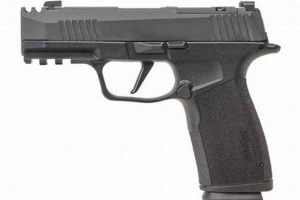
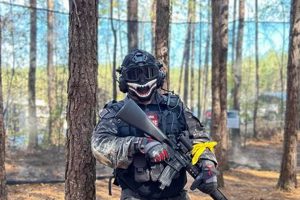
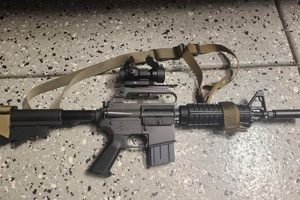
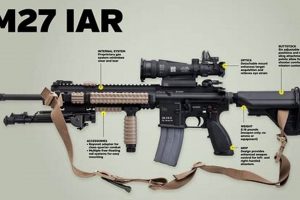
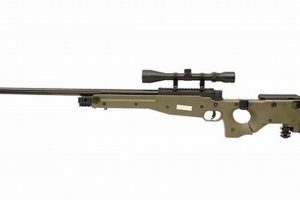
The activity centered around realistic simulated combat games in the state relies on specialized equipment replicating real-world firearms, but modified to launch non-lethal, biodegradable projectiles. Participants engage in team-based scenarios, often mimicking military or law enforcement operations. These simulated battles take place on designated fields and arenas across the state.
Its appeal lies in the strategic thinking, teamwork, and physical activity involved. It offers participants a safe and controlled environment to experience the excitement and challenge of tactical simulations. Over time, organized groups and dedicated playing fields have established a thriving community for enthusiasts within the state. The hobby fosters discipline, communication skills, and camaraderie among its participants.
The following sections will delve deeper into specific aspects of the activity within the state, including popular playing locations, regulations, equipment options, and local communities involved. These details provide a complete overview of the landscape of this recreational activity.
Essential Strategies
The following strategies are crucial for navigating the simulated combat environment effectively and responsibly within the state.
Tip 1: Prioritize Safety Equipment: Protective eyewear certified to meet or exceed ANSI Z87.1 standards is non-negotiable. Full-face masks are strongly recommended, especially for younger players, to prevent injuries from close-range impacts.
Tip 2: Understand Field Rules and Regulations: Each playing field enforces specific rules regarding muzzle velocity limits (measured in feet per second, or FPS), engagement distances, and permitted weaponry. Familiarize oneself with these regulations before participation to ensure compliance and prevent disqualification.
Tip 3: Master Communication and Teamwork: Effective communication is paramount to success. Employ clear and concise radio communication protocols, utilize hand signals for silent coordination, and actively collaborate with teammates to achieve strategic objectives.
Tip 4: Maintain Equipment Meticulously: Regular cleaning, lubrication, and maintenance of airsoft replicas are essential for optimal performance and longevity. Failure to maintain equipment can lead to malfunctions during gameplay.
Tip 5: Adhere to Local Laws and Regulations: Transport replicas responsibly, utilizing appropriate cases or bags to conceal them from public view. Refrain from brandishing or displaying replicas in public areas to avoid alarming citizens or attracting unwanted attention from law enforcement.
Tip 6: Respect Boundaries: Always be mindful of property lines and restricted areas surrounding playing fields. Obtain explicit permission before entering private property. Avoid trespassing or engaging in activities that could disturb local residents.
Tip 7: Practice Responsible Gun Handling: Even though replicas are non-lethal, treat them with the same respect and caution as real firearms. Keep the muzzle pointed in a safe direction, and never point a replica at anything one is not willing to simulate firing at.
Adherence to these strategies promotes a safer, more enjoyable, and responsible participation within the simulated combat community.
The subsequent section provides detailed information on specific playing locations and communities within the state.
1. Playing Fields

Playing fields are fundamental to the existence of organized simulated combat games within Washington. These designated areas provide the physical space necessary for the safe and structured execution of matches. The availability, characteristics, and management of these fields directly impact the scope, quality, and accessibility of the activity in the state. Without dedicated playing fields, organized play would be significantly hampered, forcing participants to engage in potentially unsafe or illegal activities on unsuitable terrain.
The state boasts a variety of playing fields, ranging from indoor arenas designed for close-quarters combat to expansive outdoor areas featuring diverse terrains like forests, urban simulations, and military-style fortifications. Each type of field presents unique tactical challenges and requires players to adapt their strategies and equipment accordingly. For instance, an indoor arena prioritizes maneuverability and rapid-fire weapons, while a forested field emphasizes camouflage, stealth, and long-range accuracy. The existence of these diverse fields allows for a richer and more varied experience for participants within Washington.
The viability of simulated combat gaming in the state hinges on the continued availability and responsible management of playing fields. Securing suitable locations, obtaining necessary permits, and adhering to environmental regulations are ongoing challenges. The future growth and sustainability of the activity depends on fostering positive relationships between field operators, local communities, and regulatory bodies. Successfully navigating these challenges ensures the continued presence of dedicated spaces for simulated combat gaming in Washington, thereby sustaining the broader community.
2. Equipment Regulations
Equipment regulations are a critical component in the structure of simulated combat sport within Washington. These rules govern the permissible characteristics of airsoft replicas, protective gear, and other accessories used in the sport. Without these regulations, the activity risks becoming unsafe and could potentially violate state or local laws. An example is the establishment of maximum muzzle velocity (FPS) limits for replicas. This directly impacts player safety by reducing the risk of injury from projectile impacts. Neglecting this facet would likely lead to increased injuries and potential legal ramifications for field operators and participants. The adherence to equipment regulations ensures a baseline level of safety and legality within the context of airsoft in Washington.
Specific regulations address diverse aspects of airsoft equipment. These include limits on projectile weight, restrictions on replica modification, and requirements for protective eyewear meeting ANSI Z87.1 standards or equivalent. Field operators typically enforce these regulations through chronograph testing to verify muzzle velocity, and visual inspections to ensure compliance with equipment guidelines. Failure to adhere to these rules often results in temporary or permanent expulsion from the playing field. For instance, a player found using a replica exceeding the field’s FPS limit is typically barred from participation until the issue is resolved. This enforcement mechanism maintains a fair and safe playing environment.
In summation, strict equipment regulations are fundamental for maintaining a safe, legal, and ethical environment for airsoft within Washington. They address safety concerns, ensure fair play, and prevent potential legal issues. Continuous monitoring and adaptation of these regulations are necessary to address evolving technologies and address any new safety concerns. This proactive approach is vital for the long-term viability and responsible growth of the simulated combat sport in the state.
3. Community Organization

Community organization forms the backbone of the airsoft ecosystem within Washington. These groups coordinate events, maintain standards, and foster a sense of belonging among participants. Their presence is crucial for the continued growth and responsible operation of the sport throughout the state.
- Club Formation and Field Affiliation
Numerous clubs and teams organize regular games and events at various airsoft fields across Washington. These organizations often have established relationships with field owners, securing preferred access and helping to maintain the grounds. Such affiliations ensure consistent playing opportunities and contribute to the economic viability of local fields.
- Event Coordination and Scenario Design
Community organizations are instrumental in planning and executing large-scale airsoft events, often involving intricate scenarios, props, and objectives. These events require significant logistical planning, including participant registration, rule enforcement, and safety protocols. The quality of these events directly impacts player satisfaction and attracts new participants.
- Dissemination of Information and Training
These groups serve as central hubs for disseminating information about upcoming events, rule changes, and safety guidelines. Many organizations also offer training sessions for new players, covering topics such as equipment handling, tactical maneuvers, and first aid. This educational role promotes responsible gameplay and enhances overall safety.
- Advocacy and Representation
Community organizations may act as advocates for airsoft at the local and state levels, representing the interests of players and field owners. They can engage with policymakers to ensure fair regulations and protect access to playing areas. This advocacy is vital for the long-term sustainability of the sport in the face of potential restrictions or misconceptions.
The multifaceted role of community organizations is undeniable. They not only provide a social structure for players but also contribute significantly to the operational and regulatory framework of airsoft in Washington. Their ongoing efforts are essential for maintaining a thriving and responsible airsoft community.
4. Safety Protocols

Stringent safety protocols are paramount to responsible and sustainable airsoft activities within Washington. These protocols mitigate potential risks associated with simulated combat, ensuring participant well-being and compliance with legal standards.
- Mandatory Protective Gear
The wearing of approved protective eyewear (ANSI Z87.1 or equivalent rating) is universally mandated on all established airsoft fields in Washington. Full-face masks are highly encouraged, particularly for younger players, to prevent facial injuries. Non-compliance results in immediate removal from the playing field. This measure minimizes the potential for eye and face injuries, the most common risks associated with projectile impact.
- Velocity Limits and Chronograph Testing
All airsoft replicas are subject to chronograph testing to ensure they adhere to field-specific velocity limits, typically measured in feet per second (FPS). These limits vary depending on the type of replica (e.g., rifles, pistols, sniper rifles) and the playing environment. Exceeding these limits results in the replica being deemed unsuitable for play until adjustments are made. These limits are in place to control projectile energy and prevent excessive force impacts.
- Minimum Engagement Distances
Minimum engagement distances are implemented to prevent close-range, high-velocity impacts. These distances vary depending on the type of replica used, with higher FPS replicas requiring greater standoff distances. Violating these rules, such as intentionally firing at close range, results in penalties ranging from warnings to expulsion. This protocol reduces the risk of point-blank injuries.
- Safe Zones and Handling Procedures
Designated safe zones are established on airsoft fields, where all replicas must be unloaded, magazines removed, and safety switches engaged. Handling replicas outside of the designated playing area is strictly prohibited, except in safe zones. Negligence in these procedures results in immediate disciplinary action. These safe zones are intended to eliminate accidental discharges and prevent replicas from being handled inappropriately.
The rigorous implementation and consistent enforcement of these safety protocols are crucial for maintaining a safe and responsible airsoft community within Washington. They demonstrate a commitment to participant welfare and mitigate potential liabilities for field operators, contributing to the long-term sustainability and positive perception of the sport. Continuous evaluation and adaptation of these protocols are necessary to address emerging risks and ensure the ongoing safety of participants.
5. Local Laws
The operational scope of airsoft in Washington is significantly shaped by local laws and regulations. Understanding these legal frameworks is crucial for participants, field operators, and retailers to ensure compliance and avoid legal repercussions.
- Possession and Display
Local ordinances may govern the possession and open display of airsoft replicas. Certain municipalities could have restrictions on carrying replicas in public places, requiring them to be transported in cases or bags to avoid alarming the public. Violation of these regulations can result in fines or confiscation of the replica. Responsible transport and concealment are essential practices.
- Age Restrictions
Some local jurisdictions may impose age restrictions on the purchase, possession, or use of airsoft replicas. These restrictions may differ from state-level regulations and often require parental supervision for minors participating in airsoft activities. Local ordinances might dictate specific age thresholds for unsupervised play, aiming to ensure safety and prevent misuse of the replicas.
- Use in Public Spaces
The discharge of airsoft replicas in public spaces is generally prohibited or heavily regulated by local laws. Discharging replicas in parks, streets, or other public areas can lead to citations, fines, or even criminal charges. Designated airsoft fields and private properties with permission are the appropriate venues for simulated combat games. Compliance with these laws is essential to prevent incidents and maintain positive community relations.
- Nuisance and Disturbing the Peace
Local noise ordinances can impact airsoft activities, particularly in residential areas. Excessive noise generated by simulated combat games, including shouting and the firing of replicas, could violate these ordinances and lead to complaints from neighbors. Field operators and participants must be mindful of noise levels and take measures to minimize disturbances to nearby residents.
Compliance with local laws is indispensable for the sustainability and positive perception of airsoft in Washington. Players, retailers, and field operators must stay informed about the specific regulations in their respective areas and adhere to them diligently. Failure to do so can have legal and reputational consequences. Active communication with local authorities can help clarify ambiguities and foster a collaborative environment that supports responsible airsoft activities.
6. Game Types
Game types represent a foundational element of organized airsoft activities within Washington. The specific game type dictates the objectives, rules of engagement, and overall strategic approach employed by participants. Variations in game types directly influence the level of tactical complexity, teamwork required, and overall experience for players. Therefore, the availability and diversity of game types contribute significantly to the vibrancy and appeal of the sport in the state.
Examples of common game types include team deathmatch, capture the flag, bomb defusal, and scenario-based simulations. Team deathmatch focuses on eliminating the opposing team, emphasizing individual marksmanship and aggressive tactics. Capture the flag necessitates strategic coordination and defensive positioning to protect one’s flag while attempting to seize the opponent’s. Bomb defusal challenges players to either plant or disarm a simulated explosive device, requiring meticulous planning and communication. Scenario-based simulations, often inspired by real-world military operations or fictional narratives, involve complex objectives and extended gameplay, demanding advanced tactical proficiency and endurance. The variety of these game types caters to diverse player preferences and skill levels, expanding the appeal of airsoft in Washington.
Understanding the relationship between game types and the broader airsoft environment is crucial for fostering a thriving and engaging community in Washington. Field operators must offer a diverse range of game types to attract and retain players. Participants should familiarize themselves with the rules and objectives of different game types to maximize their enjoyment and contribution. By embracing a variety of game types, the simulated combat sport in Washington can continue to evolve, attract new players, and provide a dynamic and rewarding experience for all involved.
7. Team Strategies

Team strategies are integral to successful participation in airsoft activities throughout Washington. The complex scenarios and diverse playing environments prevalent in the state necessitate coordinated efforts and well-defined tactical approaches. The direct correlation between effective team strategies and favorable outcomes is demonstrably clear. For instance, a team that employs proper communication protocols, such as clear radio transmissions and hand signals, often achieves superior coordination and is able to outmaneuver less organized opponents. The use of flanking maneuvers, coordinated assaults, and designated support roles directly contributes to the accomplishment of objectives and the overall effectiveness of the team.
The implementation of team strategies extends beyond basic tactical maneuvers. It encompasses pre-game planning, reconnaissance, and adaptability during gameplay. Teams that conduct thorough assessments of the playing field, identifying key vantage points and potential chokepoints, gain a significant advantage. Furthermore, the ability to adapt strategies in real-time based on evolving circumstances and enemy movements is crucial for maintaining momentum and overcoming unexpected challenges. A practical example involves a team adjusting its defensive perimeter to counter a concentrated enemy assault, thereby preventing a breach and maintaining control of a strategic location.
Effective team strategies are paramount for achieving success and enhancing the overall enjoyment of airsoft in Washington. The ability to collaborate, communicate, and adapt collectively distinguishes successful teams from less coordinated groups. While individual skill remains important, it is the synergistic effect of well-executed team strategies that ultimately determines the outcome of engagements. The emphasis on teamwork also promotes positive social interactions and fosters a sense of camaraderie within the airsoft community, thereby enriching the overall experience for all participants.
Frequently Asked Questions
The following questions address common inquiries regarding simulated combat games within the state, providing clarity on key aspects for both new and experienced participants.
Question 1: What are the legal requirements for owning and using airsoft replicas in Washington?
Washington State law does not classify airsoft replicas as firearms. However, local ordinances may regulate their possession, transportation, and use. Replicas should be transported in cases or bags and not displayed in public. Some municipalities may have age restrictions on purchasing or using these replicas. Consult local authorities for specific regulations in a given area.
Question 2: What safety equipment is mandatory for participation in airsoft events in Washington?
Protective eyewear meeting ANSI Z87.1 standards or equivalent is universally required. Full-face masks are highly recommended, especially for minors, to prevent facial injuries. Some fields may mandate additional protective gear, such as mouthguards or hard hats, depending on the terrain and game type. Field rules supersede general recommendations.
Question 3: What are the typical muzzle velocity (FPS) limits for airsoft replicas at Washington fields?
Muzzle velocity limits vary depending on the type of replica and the field’s specific regulations. Typical limits range from 350 FPS for automatic electric guns (AEGs) to 500 FPS for sniper rifles, measured with 0.20g BBs. Fields use chronographs to verify compliance. Replicas exceeding these limits are not permitted until adjusted.
Question 4: Where can I find a list of reputable airsoft fields and communities in Washington?
Online airsoft forums and social media groups dedicated to Washington often maintain lists of fields and organizations. Local airsoft retailers can also provide referrals. Thorough research is advised to ensure a field’s safety record, adherence to regulations, and suitability for one’s playing style.
Question 5: Are there any organized airsoft events or tournaments held in Washington?
Numerous organizations host airsoft events and tournaments throughout the year, ranging from small skirmishes to large-scale, multi-day operations. These events are typically advertised online and require pre-registration. Event organizers often impose specific rules and equipment requirements beyond standard field regulations.
Question 6: What are the common rules of engagement used in Washington airsoft games?
Common rules of engagement include hit-calling protocols (typically requiring a clear verbal declaration of being hit), minimum engagement distances (preventing point-blank shots), and restrictions on certain types of firing (e.g., blind firing around corners). Specific rules may vary depending on the field and game type. Adherence to these rules is crucial for fair play and participant safety.
Understanding these points can promote a safe and enjoyable experience within the simulated combat landscape in the state.
The following section presents a glossary of key terms related to the activity.
Conclusion
This exploration of airsoft washington has examined the diverse facets of the simulated combat sport within the state. Key aspects, including playing field regulations, community organization, and safety protocols, have been presented. Understanding these elements is critical for participants, field operators, and local communities seeking to engage responsibly and safely with this activity.
Continued adherence to legal guidelines, promotion of responsible gameplay, and fostering positive community relationships are essential for the sustained viability and responsible growth of airsoft washington. The commitment to these principles ensures a safe, engaging, and legally compliant environment for all involved, solidifying its place as a structured recreational activity within the state.