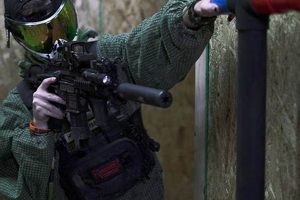
These devices introduce simulated explosive effects into airsoft gameplay, enhancing the realism and tactical depth of scenarios. Examples include grenades that release showers of BBs, smoke devices for cover and distraction, and simulated landmines for objective-based gameplay. Their primary function is to replicate aspects of real-world combat situations within a controlled and safe environment.
The inclusion of these effects offers a heightened sense of immersion, requiring players to react to dynamic battlefield conditions. They add strategic complexity, forcing players to adapt their tactics beyond simple marksmanship. Historically, the use of similar simulations in military training has demonstrated increased engagement and improved decision-making skills. In airsoft, these elements contribute to a more captivating and challenging experience.
The following discussion will delve into the regulations surrounding these devices, the various types available, and the safety precautions necessary for their responsible deployment in airsoft activities. This will also cover storage and transportation guidelines, providing a complete overview.
Responsible Handling Practices
Proper usage of these devices requires adherence to strict guidelines. The following tips are crucial for ensuring safety and compliance during airsoft gameplay.
Tip 1: Pre-Game Inspection: Always inspect devices for any signs of damage or malfunction before use. Discard any item exhibiting cracks, leaks, or other irregularities.
Tip 2: Designated Safe Zones: Establish clear and enforced safe zones where these items are strictly prohibited. This prevents accidental detonation and potential injury in non-combat areas.
Tip 3: Adherence to Range Restrictions: Respect minimum safe distances specified by the manufacturer. Do not deploy devices in close proximity to other players.
Tip 4: Awareness of Environmental Conditions: Exercise caution in dry or windy conditions, as these environments increase the risk of fire. Consider ceasing use during periods of high fire danger.
Tip 5: Proper Protective Gear: Ensure all participants wear appropriate eye protection and consider additional protective gear, such as face masks and gloves, to minimize the risk of injury from fragments or sparks.
Tip 6: Controlled Detonation Areas: Limit use to designated areas within the playing field that are clear of flammable materials and potential hazards. Avoid using them near buildings, vehicles, or dry vegetation.
Tip 7: Immediate Post-Detonation Check: After detonation, promptly inspect the area to ensure no burning embers or unexploded remnants remain. Dispose of any debris responsibly.
By diligently following these guidelines, airsoft participants can minimize risks and enjoy these devices safely. Responsible practices are essential for maintaining a positive and secure airsoft environment.
The concluding section will address storage and transportation regulations, further reinforcing the importance of safe handling procedures.
1. Regulations
The regulatory landscape governing these devices varies considerably across jurisdictions. These variations encompass aspects such as permissible chemical compositions, noise level restrictions, age limitations for purchase and use, and designated usage areas. Failure to comply with these regulations can result in legal penalties, including fines, confiscation of equipment, and potential criminal charges. Understanding and adhering to local, regional, and national laws is, therefore, paramount for airsoft participants and event organizers.
The impact of regulations extends beyond mere legal compliance. They directly influence the types of devices available for use, affecting the tactical options and realism achievable in airsoft scenarios. For instance, some regions may prohibit devices that produce loud reports or emit dense smoke, thus limiting the range of available options. Event organizers bear the responsibility of ensuring that all participants are aware of and adhere to applicable regulations, often incorporating briefings and inspections into pre-game procedures. Furthermore, responsible retailers play a crucial role by verifying the age and residency of purchasers and providing clear information regarding safe handling practices and legal restrictions.
In summary, regulations are an indispensable component of responsible use. Disregarding them not only carries legal repercussions but also undermines the safety and integrity of the airsoft community. Continuous vigilance and adaptation to evolving regulatory landscapes are necessary to ensure the sustainable and ethical practice of the sport. Further exploration into types and safety will build upon this foundation of regulatory understanding.
2. Types

The variety of available implements significantly influences gameplay dynamics and tactical possibilities. The specific type dictates the range of effects achievable, impacting scenario design and participant experience.
- Smoke Devices
These generate a cloud of smoke, providing concealment and obscuring visibility. Examples include smoke grenades and smoke pots, which release smoke over a period of time. Smoke offers tactical advantages, such as creating diversions or allowing for concealed movement. They are particularly useful in objective-based scenarios and urban environments.
- Sound Grenades
These devices produce a loud report and flash, simulating the effects of a stun grenade. Examples include blank-firing grenades and devices that use compressed gas to create a loud noise. The primary purpose is to disorient and temporarily incapacitate opponents, allowing for tactical maneuvers or room clearing.
- BB-Dispensing Grenades
These grenades release a shower of BBs upon detonation, simulating the fragmentation effect of a real grenade. They are typically powered by compressed gas or spring mechanisms. They are effective for clearing rooms or suppressing enemy positions, adding a layer of risk and realism to close-quarters combat.
- Simulated Mines
These devices mimic the effects of landmines, typically detonating when triggered by pressure or a tripwire. Examples include pressure-activated devices and tripwire-activated flares. They are used to create defensive perimeters, protect objectives, or ambush opponents, adding a strategic element to gameplay.
The selection of appropriate tools depends heavily on the scenario being played and the desired level of realism. Each type offers unique tactical advantages and challenges, contributing to the overall immersive experience.
3. Safety
The use of these items in airsoft necessitates a stringent focus on safety protocols. Mishandling can lead to burns, eye injuries, hearing damage, and even fires. Each device, regardless of type, presents inherent risks that demand respect and careful mitigation. For instance, smoke devices can cause respiratory irritation, while sound grenades can induce temporary hearing loss if used improperly. BB-dispensing grenades pose a risk of eye injury if protective eyewear is not worn. Simulated mines can cause tripping hazards or unexpected detonations if not deployed responsibly.
Adherence to manufacturer guidelines is paramount. These guidelines typically outline safe handling procedures, minimum safe distances, and appropriate storage conditions. Furthermore, event organizers have a responsibility to establish clear safety rules, conduct pre-game briefings, and ensure that all participants are aware of the potential hazards. For example, a designated safety officer can monitor device usage, enforce minimum engagement distances, and provide guidance on proper deployment techniques. Regular equipment inspections are also essential to identify and address any potential malfunctions or damage before they lead to accidents. Real-world incidents involving misuse, such as accidental detonations resulting in burns or projectile injuries, underscore the need for unwavering adherence to established safety protocols.
In summary, safety is not merely a peripheral consideration but an integral component of responsible use. A comprehensive understanding of the risks involved, coupled with strict adherence to safety guidelines and proactive enforcement, is crucial for preventing accidents and maintaining a safe playing environment. The viability and sustainability of airsoft activities involving these devices depend on a collective commitment to prioritizing the well-being of all participants. Subsequent discussions will cover storage and transport, complementing this foundation of safety awareness.
4. Storage

Proper storage is a critical aspect of responsible handling, directly impacting the safety and longevity of these devices. Inadequate storage practices can lead to degradation, accidental detonation, or increased susceptibility to environmental factors. Therefore, a systematic approach to storage is essential for mitigating risks and ensuring optimal performance.
- Temperature Control
Maintaining a stable temperature is crucial, as extreme heat or cold can compromise the chemical stability of these devices. Elevated temperatures can accelerate decomposition, increasing the risk of premature detonation or malfunction. Conversely, freezing temperatures can alter the composition of certain chemicals, rendering them ineffective or unstable. A cool, dry environment, away from direct sunlight and heat sources, is recommended.
- Humidity Management
Excessive humidity can lead to corrosion of metal components and degradation of propellant compounds. Moisture absorption can alter burn rates, affecting the performance and reliability. Desiccants, such as silica gel packets, can be used to absorb moisture within storage containers, maintaining a low-humidity environment. Regular monitoring of humidity levels is advisable, particularly in humid climates.
- Secure Containment
Devices should be stored in durable, non-flammable containers that provide physical protection and prevent accidental ignition. Containers should be clearly labeled with appropriate hazard warnings and storage instructions. Segregation of different types of devices is recommended to prevent cross-contamination or unintended reactions. Secure locking mechanisms are essential to prevent unauthorized access, particularly in households with children or pets.
- Ventilation Considerations
Proper ventilation is important for preventing the accumulation of potentially hazardous fumes. Some devices may release volatile organic compounds (VOCs) during storage, which can pose a health risk if inhaled. Storage areas should be well-ventilated to allow for the dissipation of these fumes, reducing the risk of respiratory irritation or other adverse health effects. However, ventilation should not compromise temperature or humidity control.
These storage considerations directly contribute to the overall safety and efficacy of incorporating these devices into airsoft gameplay. By adhering to these guidelines, airsoft participants can minimize risks, prolong the lifespan of equipment, and ensure consistent performance during simulated combat scenarios. This proactive approach enhances the credibility and safety of the sport, promoting responsible practices within the community.
5. Transportation

The movement of these devices from point of purchase to the airsoft field, and subsequently back for storage, presents a distinct set of challenges. Adherence to specific regulations and best practices is crucial to mitigate risks associated with accidental ignition or exposure to hazardous materials. The focus must remain on preventing incidents during transit that could compromise safety or violate legal statutes.
- Compliance with Legal Requirements
Transportation of these items is subject to various regulations at the local, regional, and national levels. These may include restrictions on the quantity transported, permissible modes of transport, and required documentation. Failure to comply can result in fines, confiscation of goods, or even criminal charges. Example: Certain jurisdictions classify them as hazardous materials, requiring specific labeling and handling procedures akin to transporting small arms ammunition. Ignorance of these regulations is not a valid defense.
- Packaging and Containment
Appropriate packaging is essential to prevent accidental activation during transit. Devices should be securely packed in a rigid, non-flammable container that protects them from physical damage and external ignition sources. The container should be clearly labeled with appropriate warnings and handling instructions. Example: Using a hard-sided case with foam inserts to prevent movement and impact during transportation. Improper packaging can increase the risk of accidental detonation and subsequent injury or property damage.
- Environmental Considerations
Extreme temperatures and humidity can affect the stability and performance of certain types of these devices. Exposure to direct sunlight or prolonged exposure to high temperatures can increase the risk of premature ignition or degradation of chemical components. Similarly, excessive humidity can lead to corrosion or malfunction. Example: Avoiding leaving these devices in a vehicle exposed to direct sunlight on a hot day. Maintaining a stable and controlled environment during transport is crucial for preserving the integrity of the product.
- Vehicle and Personnel Safety
When transporting these items in a vehicle, it is essential to ensure that they are securely stowed and inaccessible to passengers. Avoid transporting them in the passenger compartment, where they could be exposed to accidental impact or tampering. Personnel involved in the transportation should be trained on proper handling procedures and equipped with appropriate personal protective equipment (PPE), such as gloves and eye protection. Example: Storing them in the trunk of a car, away from flammable materials, and ensuring the vehicle is well-ventilated. Prioritizing vehicle and personnel safety minimizes the risk of accidents and ensures the well-being of all involved.
These facets of transportation underscore the need for a meticulous and informed approach. By adhering to regulations, employing appropriate packaging, considering environmental factors, and prioritizing vehicle and personnel safety, the risks associated with transporting these items can be significantly reduced. This comprehensive approach contributes to the responsible and safe integration of these items into airsoft activities.
Frequently Asked Questions About Airsoft Pyrotechnics
This section addresses common inquiries regarding airsoft pyrotechnics, aiming to provide clear and concise information for responsible users and event organizers.
Question 1: What are the legal restrictions surrounding airsoft pyrotechnics?
Legal restrictions vary significantly depending on location. Users should consult local and national regulations regarding permissible chemical compositions, noise levels, age restrictions, and designated usage areas. Non-compliance may result in legal penalties.
Question 2: What types of airsoft pyrotechnics are available?
Common types include smoke devices, sound grenades, BB-dispensing grenades, and simulated mines. Each type offers unique tactical advantages and simulates different aspects of real-world combat scenarios.
Question 3: What safety precautions should be taken when using airsoft pyrotechnics?
Users should adhere to manufacturer guidelines, wear appropriate protective gear (eye protection, face masks, gloves), and maintain safe distances. Environmental conditions, such as dry or windy weather, should be considered to minimize fire risks.
Question 4: How should airsoft pyrotechnics be stored?
They should be stored in a cool, dry environment away from direct sunlight and heat sources. Secure, non-flammable containers are recommended, and different types should be segregated to prevent unintended reactions.
Question 5: What are the best practices for transporting airsoft pyrotechnics?
They should be transported in a rigid container, protected from physical damage and external ignition sources. The container should be clearly labeled, and users should be aware of any transportation restrictions in their area.
Question 6: What is the role of event organizers in ensuring safe use of airsoft pyrotechnics?
Event organizers are responsible for establishing clear safety rules, conducting pre-game briefings, and ensuring that all participants are aware of potential hazards and regulations. Monitoring device usage and enforcing safety protocols are also critical.
The information provided serves as a general guide. Users are responsible for conducting their own due diligence and adhering to all applicable regulations and safety guidelines.
This concludes the FAQ section. The following segment will provide a conclusion.
Conclusion
This exploration of airsoft pyrotechnics has encompassed regulations, device types, safety protocols, storage methods, and transportation guidelines. Each facet contributes to the responsible and effective integration of these devices into airsoft activities. A thorough understanding of these elements is essential for mitigating risks and ensuring a safe playing environment. The application of knowledge, from understanding legal frameworks to implementing best practices, is paramount.
Continued vigilance and adherence to established guidelines are necessary for the sustainable and ethical use of airsoft pyrotechnics. Prioritizing safety and responsible practices protects participants, preserves the integrity of the sport, and ensures its continued viability. Diligence is the key to preserving this aspect of the game.