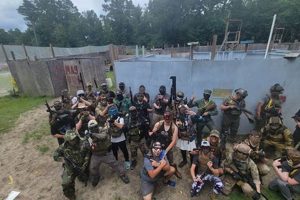
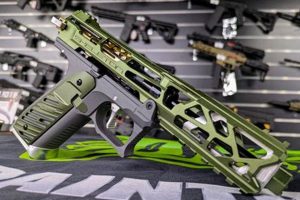
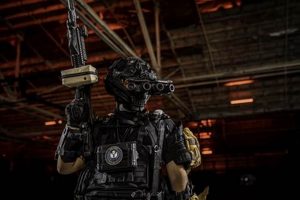
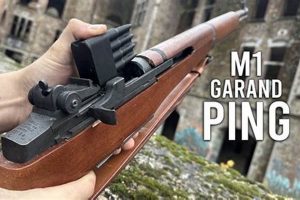
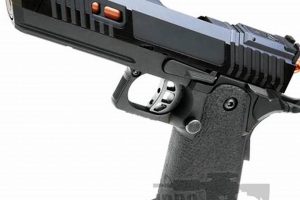
These replicas are designed to fire spherical plastic projectiles, typically 6mm or 8mm in diameter, using compressed gas or electric mechanisms. The devices closely resemble real firearms, and this realism is a key element of the sport and training activities in which they are employed. For example, various models mimic the appearance and operation of assault rifles, pistols, and sniper rifles used by military and law enforcement agencies.
The significance of these devices lies in their use for recreational simulations, tactical training, and historical reenactments. They provide a safer alternative to live firearms for practicing marksmanship, teamwork, and strategic thinking. Historically, the use of such equipment has grown in popularity as an accessible and engaging method for individuals to participate in simulated combat scenarios, promoting physical activity and social interaction.
The subsequent sections will delve into the specific types of these devices available, their operational mechanisms, safety considerations for their use, and the legal regulations governing their ownership and deployment. A detailed examination of these aspects will provide a thorough understanding of the equipment and its role in various activities.
Essential Usage Guidelines
Effective and safe utilization requires adherence to specific guidelines and best practices. The following tips address key aspects of operation, maintenance, and responsible handling.
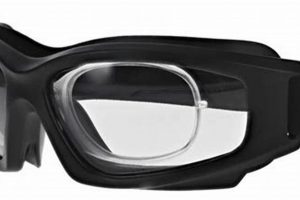
Tip 1: Prioritize Eye Protection: Always wear ANSI-rated goggles or a full-face mask designed for airsoft. The velocity of projectiles can cause serious eye injuries.
Tip 2: Adhere to Field Regulations: Each airsoft field has unique rules regarding projectile velocity limits, engagement distances, and acceptable equipment. Familiarize yourself with and strictly follow these regulations.
Tip 3: Maintain Proper Storage: Store the device unloaded, with the magazine detached, and in a secure location inaccessible to unauthorized individuals, especially children.
Tip 4: Regularly Inspect Components: Before each use, inspect the device for any signs of wear, damage, or malfunction. Pay particular attention to the barrel, hop-up unit, and magazine.
Tip 5: Use Appropriate Projectiles: Utilize high-quality, seamless projectiles of the correct weight and size recommended by the manufacturer. Inferior projectiles can damage the device’s internal mechanisms and reduce accuracy.
Tip 6: Clean After Each Use: Clean the barrel and internal components after each use to remove dirt, debris, and lubricant residue. This maintains optimal performance and extends the lifespan of the device.
Tip 7: Transport Responsibly: When transporting, keep the device in a case or bag to avoid alarming the public. Ensure it is unloaded and stored separately from projectiles.
Following these guidelines ensures a safer, more enjoyable, and responsible experience. Consistent adherence to these practices will contribute to both personal safety and the overall reputation of the sport.
The subsequent sections will address the legal considerations surrounding the ownership and use of these devices, providing a comprehensive understanding of the regulatory landscape.
1. Realism in appearance

The fidelity of the physical design to actual firearms is a defining characteristic. This verisimilitude extends beyond mere aesthetics, influencing handling, training applications, and potential legal ramifications.
- External Component Replication
Airsoft devices often replicate the external components of real firearms, including receivers, barrels, stocks, sights, and accessory rails. This replication allows for the attachment of authentic firearm accessories, such as scopes, lasers, and tactical lights, enhancing the training experience and aesthetic appeal. For example, an M4-style device will feature the same rail system and controls as its real firearm counterpart.
- Operational Mimicry
Many models replicate the operational mechanics of real firearms, including charging handles, bolt releases, magazine releases, and safety selectors. This operational mimicry is particularly important for training purposes, as it allows users to develop muscle memory and familiarity with firearm handling procedures. For instance, the manipulation of the charging handle on a gas blowback device mirrors that of its real counterpart.
- Material and Finish Imitation
Manufacturers employ materials and finishes that approximate those used in real firearms, such as metal alloys, polymers, and surface coatings. This enhances the weight, feel, and overall realism of the device. For instance, aluminum receivers and polymer stocks closely resemble the composition of actual firearms.
- Legal and Ethical Considerations
The high degree of realism raises legal and ethical concerns. Law enforcement may have difficulty distinguishing these devices from actual firearms, potentially leading to dangerous encounters. Responsible ownership and handling are crucial to mitigate these risks. Displaying the device in public or modifying it to resemble a real firearm more closely can have serious legal consequences.
These components, taken together, establish the core connection between realism and the intended purpose. The high degree of realistic replication serves not only aesthetic purposes but also directly influences the practical applications, legal considerations, and ethical responsibilities associated with the devices.
2. Projectile propulsion methods

The mechanisms by which projectiles are propelled are fundamental to the operation and performance. These methods dictate power source requirements, firing rates, accuracy potential, and maintenance demands.
- Electric Power (AEG)
Automatic Electric Guns (AEGs) utilize an electric motor to drive a gearbox, which compresses air and propels the projectile. These are popular due to their consistent performance, full-automatic capability, and relatively low operating costs. Their reliability and ease of use make them a common choice for both beginners and experienced players. However, AEG performance is dependent on battery quality and motor strength.
- Gas Power (GBB/NBB)
Gas Blowback (GBB) and Non-Blowback (NBB) systems use compressed gas, typically CO2 or green gas, to propel the projectile. GBB systems simulate recoil by cycling the bolt or slide, enhancing realism. NBB systems offer greater gas efficiency and quieter operation but lack recoil. Gas-powered systems provide higher muzzle velocities compared to AEGs but are more susceptible to temperature fluctuations and require regular maintenance of gas seals.
- Spring Power
Spring-powered models require manual cocking before each shot, compressing a spring that then releases to propel the projectile. These are typically less expensive and simpler to maintain than AEGs or gas-powered models. Spring models are commonly found in sniper rifles or entry-level devices due to their power and simplicity. However, the lack of automatic firing capability limits their use in sustained engagements.
- High-Pressure Air (HPA)
High-Pressure Air (HPA) systems utilize an external air tank connected via a hose to the device. These systems offer consistent performance, adjustable velocity, and high rates of fire. HPA systems are typically more expensive and require specialized equipment, but provide a superior level of control and customization. They are often used by experienced players seeking maximum performance and adjustability.
The selection of a specific propulsion method directly impacts the suitability for various gameplay scenarios and user preferences. Each approach offers distinct advantages and disadvantages that should be carefully considered to ensure optimal performance and satisfaction.
3. Hop-up system function
The hop-up system is a crucial component within these devices, fundamentally influencing the range and accuracy of projectile trajectory. Its function is to impart backspin on the projectile as it exits the barrel, counteracting the effects of gravity and aerodynamic drag.
- Backspin Generation
The hop-up unit typically consists of a rubber bucking and an adjustable nub or arm that presses against the top of the projectile as it passes through the barrel. This contact creates friction, causing the projectile to rotate backward. The backspin generates an upward force, known as the Magnus effect, which extends the projectile’s range. Without this backspin, the projectile would drop rapidly due to gravity.
- Trajectory Control
The amount of backspin applied to the projectile can be adjusted via an external dial or lever on the device. Increasing the hop-up force causes the projectile to rise slightly, while decreasing it causes the projectile to drop sooner. Precise adjustment of the hop-up is essential for achieving optimal trajectory and accuracy at different ranges. This adjustment requires careful calibration based on projectile weight, muzzle velocity, and environmental conditions.
- Projectile Weight Compensation
Different weight projectiles require varying amounts of backspin to achieve optimal performance. Heavier projectiles typically require more hop-up force to counteract their increased mass and maintain a stable trajectory. Lighter projectiles require less hop-up force to prevent over-hopping, which causes the projectile to rise excessively. Selecting the appropriate projectile weight and adjusting the hop-up accordingly is critical for achieving consistent accuracy.
- Impact on Range and Accuracy
The proper functioning and adjustment of the hop-up system directly impacts the effective range and accuracy. A well-adjusted hop-up system can significantly extend the range and improve the consistency of shots. Conversely, an improperly adjusted or malfunctioning hop-up system can lead to unpredictable projectile trajectories and reduced accuracy. Regular maintenance and proper adjustment are essential for maximizing the potential of any device.
In summary, the hop-up system is a critical factor determining overall performance. Its ability to impart backspin allows these devices to achieve greater range and accuracy than would otherwise be possible, making it a crucial element for both recreational and training applications.
4. Material construction

The selection of materials in the construction directly affects performance, durability, and overall value. The internal mechanisms frequently incorporate metal alloys for critical components such as gears and pistons. This construction provides the necessary strength to withstand repeated stress and contributes to the device’s longevity. External components might employ polymers and composites, offering a balance between weight reduction and impact resistance. The utilization of these materials reduces user fatigue and improves maneuverability during extended periods of use. For instance, a metal gearbox in an AEG contributes significantly to its reliability compared to a plastic counterpart. The practical effect of this choice translates to fewer malfunctions and a longer operational lifespan.
Material choices also influence the device’s aesthetic realism. Some manufacturers prioritize the use of materials that mimic those found in actual firearms. Aluminum alloy receivers and polymer stocks contribute to a more authentic look and feel. This factor is particularly important for training applications and historical reenactments, where realism is paramount. However, it is important to note that the use of such materials can also increase the device’s cost. For example, a fully metal airsoft replica will invariably be more expensive than one constructed primarily from polymer. The decision to prioritize realism over cost often depends on the intended use and the user’s specific requirements.
In conclusion, material selection is a crucial aspect of design, dictating performance, durability, weight, and cost. The combination of metal alloys and advanced polymers offers an optimal balance between strength, weight reduction, and affordability. Understanding the properties of these materials and their impact on overall performance is essential for making informed purchasing decisions. The industry faces challenges in developing materials that simultaneously enhance realism, reduce weight, and minimize environmental impact. Future advancements will likely focus on the development of more sustainable and high-performance materials to address these concerns.
5. Varied model types
The expansive array of models available directly influences the versatility and appeal of airsoft as a recreational and training activity. This diversity is not merely cosmetic; it reflects a range of functional differences tailored to specific scenarios and player preferences. The existence of these varied models directly impacts the strategic approaches employed, influencing gameplay dynamics and tactical considerations. For instance, the selection of a compact CQB (Close Quarters Battle) model over a long-range sniper variant dictates the engagement distances and maneuverability characteristics within a particular scenario. The availability of distinct models contributes significantly to the realism and immersion sought by participants, allowing for specialized roles and team compositions that mirror real-world military and law enforcement applications. Furthermore, varied models also support accessibility for different skill levels, allowing beginners to start with simpler, more forgiving platforms while experienced players can opt for more complex and customizable models. Real-world examples include the ubiquitous M4 platform, with its diverse variants catering to different operational needs, and specialized models mimicking historical firearms, providing authenticity for reenactment activities.
The practical significance of understanding these variations lies in the ability to effectively choose the appropriate equipment for a given situation. For example, a player participating in a woodland scenario would benefit from a model with longer range and camouflage, such as a sniper rifle or designated marksman rifle, while a player engaging in indoor CQB would favor a compact and maneuverable model, like a submachine gun or pistol. Moreover, understanding model variations is essential for effective maintenance and repair. Different models have different internal mechanisms and components, requiring specific knowledge and tools for proper care. Compatibility of magazines, accessories, and upgrade parts also depends on the model type, necessitating careful consideration before purchasing additional equipment. The growing market for aftermarket parts and customization options further amplifies the need for a detailed understanding of model-specific features and functionalities.
In conclusion, the availability of varied models is a central element of the airsoft experience, shaping gameplay, tactical strategies, and equipment selection. Recognizing the functional differences and intended applications of these models is crucial for both optimizing performance and ensuring responsible participation. This understanding also facilitates informed decision-making when selecting, maintaining, and customizing devices. The challenge lies in navigating the vast landscape of available models and discerning the specific features and capabilities that align with individual needs and preferences. Continued development of innovative designs and performance enhancements will likely drive further diversification of model types, necessitating ongoing education and awareness among airsoft participants.
Frequently Asked Questions Regarding Airsoft Rifles
This section addresses common inquiries and misconceptions surrounding airsoft rifles. The information provided is intended to offer clarity and promote informed decision-making.
Question 1: Are airsoft rifles considered firearms?
No, airsoft rifles are not considered firearms under federal law. They are classified as air guns or imitation firearms. However, state and local laws may vary, and it is essential to understand and comply with the regulations in one’s jurisdiction.
Question 2: What is the typical range of an airsoft rifle?
The effective range of an airsoft rifle varies depending on the model, projectile weight, and hop-up system. Generally, an airsoft rifle can achieve an effective range of 100-200 feet. Upgrades and modifications can extend this range, but should be done responsibly and within field limits.
Question 3: What type of ammunition is used in airsoft rifles?
Airsoft rifles use spherical plastic projectiles, typically 6mm or 8mm in diameter. These projectiles are referred to as BBs. It is crucial to use high-quality BBs to prevent damage to the internal mechanisms and ensure consistent performance.
Question 4: Is eye protection required when using an airsoft rifle?
Yes, eye protection is mandatory. The velocity of the projectiles can cause serious eye injuries. ANSI-rated goggles or a full-face mask designed for airsoft should be worn at all times during gameplay or when handling the device.
Question 5: How should an airsoft rifle be stored when not in use?
An airsoft rifle should be stored unloaded, with the magazine detached, and in a secure location inaccessible to unauthorized individuals, especially children. A case or bag is recommended for transport and storage.
Question 6: Can airsoft rifles be modified to increase their power?
Modifying an airsoft rifle to increase its power is generally discouraged and may be illegal in some jurisdictions. Exceeding field velocity limits can lead to injury and is considered unsafe and irresponsible. Modifications should only be performed by experienced technicians and within established safety guidelines.
The information presented in these FAQs provides a baseline understanding of airsoft rifles. However, it is imperative to consult legal resources and experienced professionals for specific guidance and clarification.
The subsequent sections will explore the legal landscape surrounding airsoft rifles, providing a comprehensive overview of regulations and responsible ownership.
Conclusion
This examination of the equipment has outlined its purpose, functionality, usage guidelines, and legal considerations. Understanding the nuances of their design, operation, and responsible handling is paramount for all participants. Considerations of safety and adherence to established regulations are of utmost importance, mitigating potential risks and ensuring a positive experience.
Continued engagement with best practices and a commitment to upholding ethical standards will contribute to the responsible enjoyment of the activity. As technology evolves, a dedication to ongoing education and awareness within the community remains essential. Such diligence will allow enthusiasts to engage safely and responsibly.