Trauma resulting from participation in simulated combat activities is a recognized consequence of the sport. These can range from minor abrasions and contusions to more serious conditions depending on protective gear worn and the circumstances of the engagement. The use of projectile weapons discharging plastic pellets introduces inherent risks to players involved.
Understanding the potential for physical harm is paramount for participants. Awareness and adherence to safety protocols, coupled with the appropriate utilization of protective equipment, significantly mitigate the likelihood and severity of such occurrences. Over time, improved safety standards and gear advancements have contributed to a reduction in serious incidents.
The following article will delve into the specific types of physical harm commonly encountered, explore preventative measures designed to minimize risk, and outline best practices for managing situations where someone is hurt during these activities. Subsequent sections will also examine the legal and insurance implications related to these occurences.
Mitigation Strategies for Airsoft Trauma
The following recommendations serve to minimize the potential for suffering during airsoft activities. Diligent adherence to these principles is crucial for participant safety.
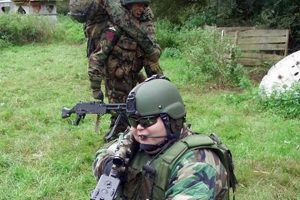
Tip 1: Eye Protection is Paramount: Full-seal goggles or a mask meeting ANSI Z87.1 standards are non-negotiable. These prevent projectiles from directly impacting the eyes, a leading cause of significant harm.
Tip 2: Facial Protection is Essential: A lower face mask safeguards teeth and the delicate skin of the face. Direct impacts to these areas can result in lasting damage and disfigurement.
Tip 3: Layer Clothing: Multiple layers of clothing, including long sleeves and pants, provide a degree of cushioning against pellet impacts, reducing the severity of bruising and welts.
Tip 4: Adhere to Site Rules: Airsoft fields establish specific guidelines regarding weapon velocity limits, engagement distances, and prohibited actions. Strict compliance with these rules is vital to maintaining a safe environment.
Tip 5: Communicate Clearly: Use clear and concise verbal commands when engaging other players. This reduces the risk of accidental friendly fire or misunderstandings that could lead to harm.
Tip 6: Utilize Responsible Gun Handling: Treat all airsoft replicas as if they were loaded. Never point a replica at someone unless you intend to engage them, and always keep the safety engaged when not actively participating in gameplay.
Tip 7: Maintain Equipment: Regularly inspect equipment, including goggles, masks and the airsoft gun itself, and repair/replace damaged or worn components to ensure they function correctly and safely.
By consistently employing these protective measures, participants can significantly decrease the probability of suffering injuries during airsoft engagements. The information provided is designed to improve safety awareness and promote responsible engagement in the sport.
The concluding section of this article will examine post-injury care and offer guidance on seeking appropriate medical attention.
1. Severity of Impact

The degree of harm sustained in airsoft activities directly correlates with the kinetic energy transferred upon projectile impact. This “Severity of Impact” is a critical determinant of injury type and extent. Higher energy impacts, resulting from elevated projectile velocities or closer engagement distances, increase the likelihood of penetrating skin or causing blunt force trauma. The resultant harm can range from superficial abrasions and contusions to more significant welts, hematomas, or even eye damage if appropriate protective measures are not in place.
The relationship between projectile velocity, engagement distance, and protective gear significantly influences the “Severity of Impact.” For instance, standardized airsoft replica velocities are generally capped to mitigate risks. However, even within regulated velocity ranges, impacts at close range can produce more severe results than those at longer distances due to reduced energy dissipation. Additionally, the type and quality of protective gear play a pivotal role. Substandard or improperly fitted gear can fail to adequately absorb or deflect projectile energy, increasing the risk of harm regardless of velocity or distance.
Understanding the “Severity of Impact” and its contributing factors is fundamental to promoting safer airsoft participation. By controlling projectile velocities, enforcing minimum engagement distances, and emphasizing the use of certified protective equipment, operators and participants can collectively minimize the likelihood and severity of harm, thus ensuring that the simulated combat environment remains as safe as reasonably possible. This knowledge is crucial for developing and implementing effective safety protocols.
2. Protective Gear Efficacy

The effectiveness of protective equipment is paramount in mitigating the potential for harm during airsoft activities. Protective Gear Efficacy significantly reduces the likelihood and severity of Airsoft Injuries by providing a physical barrier against projectile impact and absorbing energy from pellet strikes. This section will explore key facets of Protective Gear Efficacy and their direct relevance to minimizing risks.
- Material Composition and Impact Resistance
The materials used in constructing protective gear directly influence its ability to withstand projectile impacts. Polycarbonate plastics, known for their high impact resistance, are commonly used in eye protection to prevent penetration. Similarly, durable fabrics and padding are incorporated into vests and other body armor to absorb energy and reduce the severity of bruising. The quality and composition of these materials are critical determinants of the gear’s protective capabilities. Compromised or substandard materials can lead to equipment failure and subsequent injury. An example is a low-quality mesh mask that allows pellets to shatter upon impact, sending fragments into the wearer’s eyes.
- Proper Fit and Coverage
Even the most robust protective gear is rendered ineffective if it does not fit correctly or provide adequate coverage. Loose-fitting goggles can shift during gameplay, exposing the eyes to potential impacts. Similarly, improperly sized vests may leave vulnerable areas of the torso unprotected. Comprehensive coverage of the face, eyes, and exposed skin is essential to minimizing the risk of harm. Examples include ensuring goggles create a complete seal around the eyes and that lower face masks extend adequately to protect the chin and jawline.
- Certification and Standards Compliance
Adherence to recognized safety standards and certifications provides assurance of a product’s protective capabilities. Organizations such as ANSI (American National Standards Institute) and ASTM International establish testing protocols for protective equipment. Gear bearing these certifications has undergone rigorous evaluation to ensure it meets minimum impact resistance requirements. An example is ANSI Z87.1 certification for eye protection, which indicates the gear has been tested to withstand high-velocity impacts without shattering. Utilizing certified gear provides a degree of confidence in its protective abilities.
- Maintenance and Inspection Protocols
Protective equipment requires regular maintenance and inspection to ensure its continued efficacy. Cracks, tears, or other signs of wear and tear can compromise the gear’s structural integrity and reduce its ability to withstand impacts. Regular cleaning and proper storage are also essential to prevent degradation of materials. For instance, prolonged exposure to sunlight can weaken polycarbonate plastics over time. Consistent inspection and timely replacement of damaged gear are crucial for maintaining an adequate level of protection.
In conclusion, Protective Gear Efficacy represents a critical line of defense against Airsoft Injuries. By prioritizing the use of high-quality materials, ensuring proper fit and coverage, adhering to safety standards, and implementing rigorous maintenance protocols, participants can significantly reduce their risk of harm. The discussed facets underscore the importance of investing in reliable protective equipment and maintaining a proactive approach to safety.
3. Field Regulations Enforcement
Effective Field Regulations Enforcement serves as a cornerstone in preventing Airsoft Injuries and fostering a safe environment for participants. Adherence to established rules and guidelines is paramount in mitigating risks associated with simulated combat activities. This section explores key facets of Field Regulations Enforcement and their direct impact on participant safety.
- Velocity Limits and Chronograph Testing
Airsoft replicas are often subject to velocity limits to control the kinetic energy of projectiles. Field Regulations Enforcement typically includes mandatory chronograph testing to ensure compliance with these limits. Replicas exceeding established velocity thresholds pose a significantly greater risk of causing Airsoft Injuries. Failure to enforce velocity limits compromises the safety of all participants, increasing the potential for eye trauma, skin penetration, and other related harm.
- Minimum Engagement Distances (MED)
Minimum Engagement Distances (MED) are implemented to prevent close-range, high-energy impacts that can cause severe Airsoft Injuries. Field Regulations Enforcement requires players to maintain a specified distance from one another before discharging their replicas. Violations of MED rules can result in immediate ejection from the field. Strict enforcement of MED guidelines reduces the likelihood of point-blank shots that can cause significant bruising, welts, and potential eye damage.
- Prohibited Conduct and Safe Zones
Field Regulations Enforcement encompasses prohibitions against unsafe or unsportsmanlike conduct, such as blind firing, intentional physical contact, and the use of unauthorized pyrotechnics. Designated safe zones provide areas where participants can remove protective gear and handle replicas safely without the risk of engagement. Enforcement of these regulations ensures that replicas are not discharged in safe areas and that players are not subjected to intentional harm. Violations of conduct rules can lead to suspension or expulsion from the airsoft field.
- Equipment Inspection and Compliance Checks
Field Regulations Enforcement includes routine equipment inspections to ensure that all participants are utilizing appropriate protective gear and compliant airsoft replicas. This may involve verifying eye protection meets ANSI Z87.1 standards, checking for modifications that increase replica velocity beyond legal limits, and confirming that players are using approved ammunition. Consistent equipment inspection helps identify and address potential safety hazards before they lead to Airsoft Injuries. Failure to comply with equipment regulations can result in denial of field access.
Effective Field Regulations Enforcement is not merely a set of written rules; it is an active process that requires vigilance, consistency, and a commitment to participant safety. By rigorously enforcing velocity limits, MEDs, conduct rules, and equipment standards, field operators can create a safer environment and minimize the occurrence of Airsoft Injuries. Prioritizing safety through diligent enforcement protects participants and promotes the responsible practice of airsoft as a recreational activity. Continued education and proactive rule enforcement are key to minimizing risk and promoting a safe and enjoyable airsoft experience for all.
4. Medical Response Protocols
Appropriate and well-defined Medical Response Protocols are critical components in mitigating the potential consequences stemming from airsoft injuries. These protocols, encompassing immediate first aid, emergency communication procedures, and evacuation strategies, directly influence the outcome following an incident. The predictable, albeit variable, nature of such injuriesranging from minor abrasions to potential eye traumanecessitates a standardized approach to assessment and intervention. A properly implemented medical response plan should outline clear steps for managing specific injuries, ensuring timely access to appropriate medical care. For example, a protocol might specify the immediate flushing of an eye following projectile impact, followed by transport to a medical facility if symptoms persist. The absence or inadequacy of such protocols significantly increases the risk of complications and delayed treatment.
Real-world examples underscore the practical significance of robust Medical Response Protocols. Airsoft fields equipped with trained first responders, readily available first aid supplies, and established relationships with local emergency services demonstrate a heightened commitment to participant safety. In these settings, prompt intervention following an injury can prevent further harm and expedite definitive medical care. Conversely, scenarios lacking organized Medical Response Protocols often result in confusion, delayed assistance, and suboptimal outcomes. The practical applications of these protocols extend beyond the immediate treatment of injuries; they also serve to document incidents, identify potential safety hazards, and inform future preventative measures. Data collected from incident reports can be used to refine field regulations, improve protective gear requirements, and enhance training programs.
In summary, Medical Response Protocols represent a critical safety net in the context of airsoft activities. Their implementation addresses the inherent risks associated with these simulated combat scenarios by ensuring that appropriate medical care is readily available. The challenges associated with implementing effective protocols include the need for ongoing training, resource allocation, and continuous evaluation. Linking back to the broader theme of airsoft safety, Medical Response Protocols serve as an integral component of a comprehensive risk management strategy, alongside preventative measures such as protective gear requirements and Field Regulations Enforcement. Ultimately, prioritizing well-defined and consistently implemented Medical Response Protocols fosters a safer and more responsible airsoft environment.
5. Legal Liability Concerns

The potential for Airsoft Injuries gives rise to significant Legal Liability Concerns for various stakeholders, including field operators, equipment manufacturers, and individual participants. Negligence, defined as a failure to exercise reasonable care, forms the basis for many legal claims related to these injuries. If a field operator fails to maintain a safe playing environment, enforce established safety rules, or provide adequate medical support, they may be held liable for resulting injuries. Similarly, manufacturers of defective protective gear or replicas that exceed regulated velocity limits could face legal action for damages caused by their products. Individual participants who act recklessly or intentionally cause harm may also incur legal liability.
Real-world examples illustrate the practical significance of Legal Liability Concerns in the context of Airsoft Injuries. Cases involving eye injuries resulting from inadequate or absent eye protection have resulted in substantial settlements against field operators. Similarly, instances of participants exceeding velocity limits on replicas and causing severe injuries have led to legal action against the individuals responsible. The cost of defending against such claims, coupled with potential settlement or judgment amounts, can be financially devastating for those found liable. Insurance policies are essential for mitigating the financial risks associated with potential Legal Liability Concerns. Airsoft field operators should maintain comprehensive liability insurance coverage to protect against claims arising from Airsoft Injuries. Participants may also consider obtaining personal liability insurance to cover potential damages they may cause to others.
In summary, Legal Liability Concerns constitute a crucial aspect of Airsoft Injuries, influencing the behavior of all stakeholders and shaping the legal landscape surrounding the activity. Proactive measures, such as strict adherence to safety standards, diligent enforcement of field regulations, and comprehensive insurance coverage, are essential for minimizing the risk of Airsoft Injuries and mitigating the associated Legal Liability Concerns. The importance of these considerations cannot be overstated, as they directly impact the safety and sustainability of the sport. Failure to address these concerns adequately can have significant legal and financial consequences for all involved.
Frequently Asked Questions
The following addresses common inquiries regarding the risks and prevention of physical harm during simulated combat activities.
Question 1: What are the most common types of physical harm sustained while participating in airsoft?
Abrasions, contusions, and welts are frequently encountered. Eye trauma and dental damage, while less common, represent more severe possibilities. The nature of specific injuries depends on protective equipment utilized and adherence to field regulations.
Question 2: Is eye protection truly necessary?
Mandatory use of full-seal goggles or masks meeting ANSI Z87.1 standards is not optional. Eye trauma represents a significant risk, and adequate protection is non-negotiable to ensure player safety.
Question 3: How effective is layering clothing in preventing welts and bruises?
Multiple layers of clothing provide a degree of cushioning against projectile impact, dispersing energy and reducing the severity of superficial injuries. However, layering should not be considered a substitute for appropriate protective gear.
Question 4: Why are minimum engagement distances implemented and enforced?
Minimum engagement distances prevent point-blank shots that can cause disproportionately severe injuries. Compliance with these distances reduces the likelihood of high-energy impacts to vulnerable areas.
Question 5: What steps should be taken immediately following a projectile impact to the eye?
Immediate flushing of the affected eye with clean water is recommended. Subsequent evaluation by a medical professional is advisable, regardless of perceived severity of symptoms, to rule out potential corneal damage.
Question 6: What recourse is available in the event of injuries sustained due to negligence on the part of the field operator?
Injured parties may pursue legal action against the field operator if negligence can be demonstrated. Adequate documentation of the incident and consultation with legal counsel are advisable in such circumstances.
Adherence to safety protocols, utilization of appropriate protective equipment, and responsible conduct are paramount in mitigating the risks associated with airsoft activities. Maintaining a proactive approach to safety is crucial for minimizing potential physical harm.
The next article section will explore the future of safety measures.
Conclusion
This exploration has detailed the spectrum of concerns, encompassing prevention, mitigation, and response strategies. Key elements such as protective gear efficacy, stringent field regulation, and well-defined medical protocols have been analyzed, emphasizing their collective influence on participant welfare.
Recognizing the potential for “airsoft injuries” and actively engaging in preventative measures remain paramount. A continued commitment to safety is essential to ensure the longevity and responsible practice within this sport. Prioritizing participant well-being safeguards the future of airsoft and ensures its ethical pursuit.
![Best Airsoft Target [Practice & Fun!] Guide | Ultimate Airsoft Guide for Beginners, Tactics & Gear Reviews](https://airsoftica.com/wp-content/uploads/2026/04/th-359-300x200.jpg "Best Airsoft Target [Practice & Fun!] Guide Ultimate Airsoft Guide for Beginners, Tactics & Gear Reviews")