



An imitation firearm replicating the form and function of the SIG Sauer P226 pistol, these devices launch spherical projectiles, typically 6mm in diameter, utilizing compressed gas or spring mechanisms. They are commonly employed in recreational skirmishes, target practice, and training simulations.
These replicas offer a safe and accessible means to experience firearm handling techniques and tactical scenarios. Their use can promote responsible gun ownership principles, improve marksmanship skills, and provide an engaging outdoor activity. The historical development of these devices reflects an evolving demand for realistic training tools and competitive sporting activities.
The subsequent sections will delve into the various types available, their performance characteristics, legal considerations surrounding their use, and essential safety precautions. This exploration aims to provide a complete understanding for both prospective buyers and experienced users.
Optimizing Performance of the Replica P226
The following guidelines address maximizing functionality and maintaining the integrity of the imitation P226 platform.
Tip 1: Ammunition Selection: Utilize high-quality, seamless projectiles of appropriate weight (typically 0.20g to 0.28g). Irregular or low-grade projectiles can cause internal damage and inconsistent trajectories.
Tip 2: Gas Regulation: Employ the correct gas pressure for optimal performance. Overpressurization can damage internal components, while insufficient pressure reduces velocity and range. Refer to the manufacturer’s recommendations.
Tip 3: Regular Maintenance: Implement a consistent cleaning and lubrication schedule. Disassemble the unit according to manufacturer instructions, removing debris and applying silicone-based lubricants to moving parts. This prevents performance degradation.
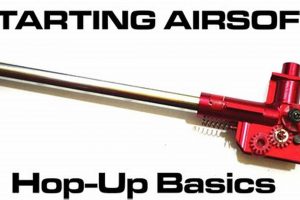
Tip 4: Hop-Up Adjustment: Fine-tune the hop-up unit to achieve the desired trajectory and range. Incorrect hop-up settings can result in either excessive upwards curve or insufficient lift, impacting accuracy.
Tip 5: Storage Practices: Store the imitation P226 in a cool, dry environment away from direct sunlight. Excessive heat or humidity can degrade materials and affect performance.
Tip 6: Responsible Handling: Always treat the device as if it were a real firearm. Point it in a safe direction and avoid dry-firing excessively, which can cause wear and tear on internal components.
Tip 7: Consider Upgrades Carefully: Evaluate the benefits and drawbacks of aftermarket upgrades before installation. Ensure compatibility with the existing components and that the modifications comply with local regulations.
Adherence to these recommendations will enhance the operational lifespan and performance of the replica, while promoting responsible and safe practices.
The following section provides an overview of the legal considerations associated with these devices.
1. Realistic Aesthetics

The degree of visual and tactile fidelity to the actual firearm counterpart is a significant factor influencing the utility and appeal of these replicas. The closer the imitation resembles the original, the greater its potential for training applications and collector satisfaction.
- Material Composition and Finish
The use of materials mimicking those of the real firearm, such as metal alloys for the slide and polymer composites for the frame, contributes significantly to realism. Similarly, surface treatments and finishes replicating the original’s bluing or anodizing enhance the visual similarity. Variations in these elements can impact the perception of authenticity.
- Dimensional Accuracy and Weight
Replicating the exact dimensions and weight distribution of the genuine P226 is crucial for realistic handling and operation. Discrepancies in size or weight can detract from the immersive experience and hinder the effectiveness of training exercises that aim to simulate real-world scenarios.
- Markings and Engravings
The presence and accuracy of trademarks, serial numbers, and other identifying marks contribute significantly to the perceived authenticity. These details, often meticulously reproduced, are of particular importance to collectors and enthusiasts seeking a high level of realism. Omission or inaccuracy in these markings can diminish the overall value and appeal.
- Functional Similarity
Beyond visual appearance, the functional replication of controls, such as the magazine release, slide stop, and decocking lever, enhances the realistic experience. The tactile feedback and operational mechanics should closely resemble those of the real P226, contributing to a more immersive and effective training tool.
The pursuit of realistic aesthetics in these imitations reflects a desire for accurate training tools and authentic collectibles. The level of detail invested in replicating the appearance and functionality of the original P226 directly impacts its perceived value and suitability for various applications, from recreational skirmishes to professional training simulations.
2. Gas/electrical power
Gas or electrical power systems are integral to the operation of these imitation firearms. The chosen power source dictates the projectile propulsion method, influencing factors such as firing rate, velocity, and overall realism. Gas-powered variants typically utilize compressed gases, such as CO2 or green gas, to propel projectiles. Electrical variants employ battery-powered motors to drive internal mechanisms, achieving similar results. The selection of a specific power type directly impacts the user experience and suitability for different applications.
For instance, gas-powered models often provide a more realistic recoil simulation, enhancing training effectiveness. However, they may be more susceptible to temperature fluctuations, affecting gas pressure and projectile velocity. Electrical models, conversely, offer more consistent performance across varying environmental conditions, requiring regular battery charging and maintenance. The power source also affects operational costs; gas canisters require periodic replacement, while electrical models necessitate battery replacements and charging infrastructure. The operational mechanism influences the overall user experience and associated costs.
In summary, the choice between gas and electrical power represents a fundamental design decision with significant ramifications for performance, maintenance, and operational cost. A thorough understanding of these factors is crucial for selecting an appropriate model tailored to specific needs and preferences, ensuring a balance between realism, reliability, and practicality. Furthermore, proper maintenance and storage of power systems enhance the lifespan and functional effectiveness of these units.
3. Projectile velocity

Projectile velocity is a critical performance metric directly influencing the functionality and safety profile of devices replicating the SIG Sauer P226. This parameter, typically measured in feet per second (FPS) or meters per second (MPS), determines the projectile’s range, impact force, and potential for causing injury.
- Regulatory Compliance
Many jurisdictions impose limits on the permissible projectile velocity to classify these devices as recreational items rather than regulated firearms. Exceeding these velocity thresholds can result in legal repercussions, including confiscation and fines. Manufacturers often design models to comply with specific regional regulations.
- Gameplay Dynamics
Velocity directly affects the effective range and accuracy during simulated combat scenarios. Higher velocities generally provide flatter trajectories and greater energy upon impact. However, increasing velocity also raises the risk of causing discomfort or injury to participants, necessitating strict adherence to safety protocols and protective gear.
- Internal Mechanism Design
The projectile velocity is intrinsically linked to the design of the propulsion system, whether it utilizes compressed gas or an electric motor. Gas-powered systems modulate velocity through gas pressure and valve mechanisms. Electric systems adjust velocity via motor speed and gear ratios. The design choices impact reliability, maintenance requirements, and overall performance consistency.
- Ammunition Compatibility
The type and weight of ammunition used significantly influence the achieved projectile velocity. Lighter projectiles generally exhibit higher velocities, while heavier projectiles retain momentum better at longer ranges. Selecting appropriate ammunition is crucial for optimizing performance and ensuring safe operation within established velocity limits.
In conclusion, projectile velocity is a multifaceted attribute of these replicas, influencing legal compliance, gameplay dynamics, internal mechanisms, and ammunition compatibility. Understanding these interdependencies is essential for responsible ownership and use, ensuring a balance between performance, safety, and adherence to relevant regulations. Furthermore, it highlights the design considerations manufacturers must address to create compliant and functional products.
4. Replica accuracy
Replica accuracy, in the context of SIG Sauer P226 airsoft devices, refers to the degree to which the imitation firearm mirrors the dimensions, weight, operational controls, and aesthetic details of the real P226 pistol. This accuracy directly impacts the device’s utility for training purposes, its collectability among enthusiasts, and its overall perceived value. High accuracy translates to a more realistic and immersive experience, while inaccuracies can detract from the device’s intended function. For example, dimensions that deviate significantly from the original may render it incompatible with standard P226 holsters or magazine pouches. Similarly, inaccurate controls can hinder the development of proper muscle memory during training exercises.
The importance of replica accuracy varies depending on the intended application. For recreational skirmishes, minor aesthetic discrepancies may be inconsequential. However, for law enforcement or military personnel using these devices for training, a high degree of accuracy is paramount. A realistic weight and balance, coupled with functioning controls that mimic the real firearm, allow for effective simulation of weapon handling procedures, improving proficiency and reducing the risk of errors during actual operations. Moreover, collectors often prioritize models with exceptional accuracy, as they represent more faithful reproductions of the original firearm.
In conclusion, replica accuracy constitutes a vital element in determining the overall effectiveness and value of SIG Sauer P226 airsoft devices. While the level of accuracy required differs based on intended use, its impact on training efficacy, collector appeal, and compatibility with accessories remains significant. Manufacturers that prioritize faithful replication of the original firearm contribute to a higher quality product that caters to a wider range of users. Continued advancements in manufacturing techniques and materials are likely to further enhance replica accuracy in future iterations of these devices.
5. Skirmish legality

Skirmish legality, in the context of airsoft devices replicating the SIG Sauer P226, refers to the legal framework governing their possession, use, and transportation within a specific jurisdiction. These regulations often vary significantly by location, encompassing restrictions on projectile velocity, permissible age of users, required safety equipment, and authorized locations for skirmish activities. Non-compliance with these legal stipulations can lead to penalties, including fines, confiscation of equipment, and potential criminal charges. The operational functionality of these devices can be curtailed by legality issues in location.
One critical aspect of skirmish legality is the classification of these airsoft devices. In some areas, they may be categorized as imitation firearms, subject to regulations similar to those governing actual firearms. This classification can necessitate permits, registration, and adherence to stringent storage and transportation requirements. Conversely, other jurisdictions may treat them as toys or sporting goods, subjecting them to less restrictive regulations. The practical significance of understanding these classifications lies in ensuring compliance with local laws and avoiding potential legal ramifications. For instance, transporting an airsoft P226 across state lines without proper permits, in a jurisdiction where it’s classified as a firearm, could result in serious legal consequences.
In summary, skirmish legality forms an indispensable element of responsible ownership and use. Variations in regional laws necessitate careful research and adherence to local regulations. Failure to comply with these legal frameworks can lead to penalties, highlighting the importance of understanding the legal status of these devices in any given area. The interplay between regulatory classifications and device characteristics directly shapes the lawful operation of these replicas.
Frequently Asked Questions
The following addresses common inquiries regarding the operation, maintenance, and legal considerations of replicas of the SIG Sauer P226 utilized in airsoft activities.
Question 1: What distinguishes gas blowback (GBB) and electric-powered (AEG) models?
Gas blowback models utilize compressed gas to propel projectiles and simulate recoil, offering enhanced realism. Electric-powered models employ battery-operated motors to drive internal mechanisms, providing consistent performance and easier maintenance.
Question 2: What is the optimal projectile weight for achieving accuracy and range?
Projectiles weighing between 0.20g and 0.28g generally provide a suitable balance of range and accuracy for most airsoft P226 replicas. Specific recommendations may vary based on the device’s power output and hop-up system.
Question 3: What maintenance procedures are essential for prolonging the lifespan of a gas blowback unit?
Regular cleaning of the barrel and lubrication of moving parts with silicone-based oils are crucial for maintaining gas seal integrity and preventing premature wear. Proper storage in a cool, dry environment is also recommended.
Question 4: What are the legal implications of modifying the device to increase projectile velocity?
Modifying the device to exceed legal velocity limits can result in its reclassification as a firearm in certain jurisdictions, subjecting the owner to stricter regulations and potential legal penalties. It is imperative to comply with all applicable laws.
Question 5: What safety precautions should be observed during airsoft skirmishes?
Wearing appropriate eye protection is mandatory to prevent potential injury from projectile impacts. Adherence to field rules, including minimum engagement distances and designated safe zones, is essential for minimizing risks.
Question 6: What factors contribute to the realistic appearance and functionality of these airsoft replicas?
The use of high-quality materials, precise manufacturing tolerances, and accurate reproduction of external controls and markings are crucial for achieving a realistic look and feel. Gas blowback mechanisms contribute to enhanced realism through simulated recoil.
Understanding these key aspects ensures responsible ownership and effective utilization of these replicas in airsoft activities.
The next section will examine specific models and their features in greater detail.
Conclusion
This exploration has detailed various facets of the SIG Sauer P226 airsoft replica, from its operational mechanics and performance characteristics to the crucial legal and safety considerations surrounding its use. Key aspects such as projectile velocity, replica accuracy, and the choice between gas and electric power systems significantly impact the user experience and suitability for diverse applications. The information presented underscores the importance of responsible ownership and adherence to all applicable regulations.
Continued advancements in manufacturing technology and an increasing emphasis on realism will likely shape the future development of these devices. As such, maintaining awareness of evolving legal landscapes and prioritizing safety protocols remains paramount for both experienced users and prospective buyers, ensuring the continued responsible enjoyment of this simulation platform.

![Redwolf Airsoft: Find Discount Codes & Save [Year] | Ultimate Airsoft Guide for Beginners, Tactics & Gear Reviews](https://airsoftica.com/wp-content/uploads/2026/04/th-288-300x200.jpg "Redwolf Airsoft: Find Discount Codes & Save [Year] Ultimate Airsoft Guide for Beginners, Tactics & Gear Reviews")