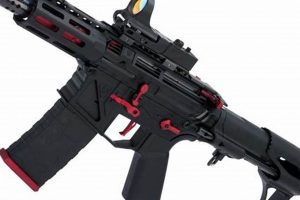
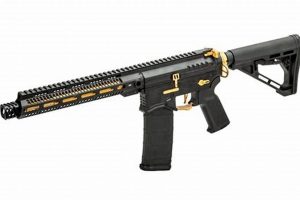
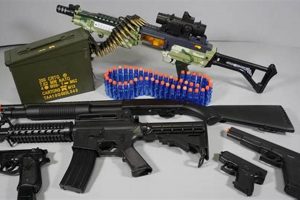
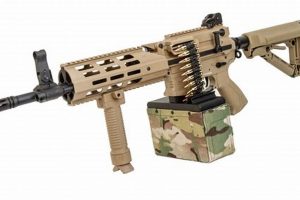
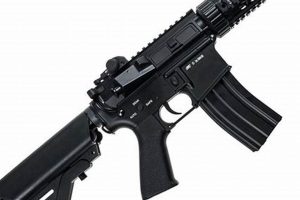
Devices that prevent the unauthorized operation of replica firearms are crucial for safe storage. These mechanisms can range from physical barriers that render the firing mechanism inoperable to lockable containers that secure the entire item. For example, a trigger lock can be applied to an airsoft gun, preventing the trigger from being pulled and thus inhibiting its use.
The implementation of such security measures significantly reduces the risk of accidental discharge or misuse, particularly in households with children or in environments where unauthorized access is a concern. Historically, the need for such security arose alongside the increasing popularity of realistic replica firearms and a growing awareness of potential safety hazards. The adoption of these measures fosters responsible ownership and contributes to overall public safety.
The subsequent sections will delve into the specific types of security mechanisms available, legal considerations surrounding their use, and best practices for ensuring the safe handling and storage of airsoft equipment. These topics will be examined in detail to provide a complete understanding of securing these items.
Securing Airsoft Equipment
The following guidelines outline essential practices for preventing unauthorized access to and use of airsoft equipment, promoting safety and responsible ownership.
Tip 1: Implement Trigger Blocking Devices: Utilize trigger locks or similar devices to physically prevent the firing mechanism from operating when the item is not in use. Ensure the device is properly installed and securely fastened.
Tip 2: Employ Cable Locks: Insert a cable lock through the magazine well and ejection port (where applicable) to render the item inoperable and visually indicate it is secured. Choose a high-quality cable lock for increased security.
Tip 3: Utilize Lockable Cases or Containers: Store airsoft equipment in a dedicated, lockable case or container when not in use. This prevents unauthorized access and provides a safe storage environment.
Tip 4: Store Ammunition Separately: Keep ammunition (BBs) in a separate, locked container, away from the airsoft equipment itself. This further reduces the risk of unauthorized use.
Tip 5: Secure Storage Location: Store locked cases or containers in a secure location, such as a locked closet or cabinet, inaccessible to unauthorized individuals, especially children.
Tip 6: Regular Maintenance and Inspection: Periodically inspect security mechanisms for damage or wear. Replace or repair any compromised components to ensure continued effectiveness.
Tip 7: Adhere to Legal Requirements: Familiarize oneself with and strictly adhere to all applicable local, regional, and national laws regarding the storage and transportation of airsoft equipment.
Adherence to these guidelines will contribute significantly to reducing the risk of accidental discharge, misuse, and theft. Responsible storage practices are paramount for ensuring the safety of individuals and the community.
The subsequent section will address legal and ethical considerations surrounding the use and ownership of airsoft equipment, further emphasizing the importance of responsible practices.
1. Trigger Disablement

Trigger disablement is a critical facet of securing airsoft guns. It directly addresses the immediate potential for unauthorized or accidental use by rendering the firing mechanism inoperable. This security measure is often the first line of defense in preventing incidents.
- Physical Barrier Implementation
Physical barriers, such as trigger locks, are inserted into the trigger guard, preventing the trigger from being pulled. These devices typically require a key or combination to remove. The effectiveness of a physical barrier lies in its simplicity and directness in preventing the firing sequence.
- Integrated Locking Mechanisms
Some airsoft guns incorporate integrated locking mechanisms as part of their design. These mechanisms may involve internal safety switches or external locking features that disable the trigger or firing system. This design creates a more secure and concealed means of preventing operation.
- Material Durability and Tamper Resistance
The effectiveness of any trigger disablement device is contingent upon its durability and resistance to tampering. Devices constructed from hardened materials and designed to resist forced removal are essential for reliable security. Weak or easily compromised devices offer a false sense of security.
- Training and Awareness
The utilization of trigger disablement mechanisms is enhanced when combined with education and awareness. Individuals handling airsoft guns should be thoroughly trained on the proper application, removal, and storage of these devices. Training is important to prevent circumvention.
The various aspects of trigger disablement all point to one overarching goal: mitigating the risk of unauthorized use and accidental discharge. When implemented correctly, trigger disablement mechanisms can play a significant role in promoting safe handling and storage practices for airsoft guns.
2. Cable Immobilization

Cable immobilization represents a secondary security measure, supplementing trigger disablement and storage containers in securing airsoft guns. This method typically involves threading a steel cable through critical components, such as the magazine well and ejection port (if applicable), rendering the replica firearm incapable of accepting a magazine or cycling a round. The effectiveness of cable immobilization lies in its ability to visibly demonstrate that the airsoft gun is secured and to physically prevent its operation, even if the trigger mechanism is somehow bypassed.
The application of cable immobilization is particularly relevant in retail environments, public demonstrations, or during transportation where displaying a disabled state is advantageous. For instance, an airsoft retailer might utilize cable locks to secure display models, preventing theft and ensuring that the replicas cannot be loaded and fired within the store. Similarly, during transport to or from an event, a cable lock serves as a clear indication to law enforcement that the airsoft gun is not readily usable and is being transported safely. Proper cable immobilization, often involving a padlock, renders the airsoft gun inoperable without the means to cut the cable. Selecting cables of sufficient thickness and durability mitigates the risk of compromise.
In summary, cable immobilization provides a visual deterrent and a physical impediment to the operation of airsoft guns. While not a replacement for primary storage security, it serves as a valuable supplemental measure, particularly in scenarios requiring visual verification of secured status or during transport. A challenge remains in ensuring widespread adoption and consistent application of this technique, necessitating education and awareness campaigns among airsoft enthusiasts and retailers. This enhances overall safety and responsible ownership.
3. Containerization

Containerization, in the context of securing airsoft guns, refers to the practice of storing the equipment within a designated enclosure. This is a crucial component of preventing unauthorized access and promoting responsible handling. The selection and implementation of suitable containers are pivotal in ensuring the safety and security of airsoft devices.
- Physical Barrier Provision
Containers act as physical barriers, preventing casual access to the airsoft guns. A locked case or cabinet restricts unauthorized individuals from handling or using the equipment. Examples include steel lockboxes, gun safes repurposed for airsoft replicas, and lockable hard-shell cases. The implications are reduced risks of accidental discharge, misuse, and theft.
- Environmental Protection
Appropriate containers protect airsoft guns from environmental factors that can cause damage. Humidity, dust, and extreme temperatures can degrade components and affect performance. Proper storage within a container mitigates these risks, prolonging the lifespan of the equipment and preserving its functionality. Cases with foam padding offer a good cushion during transit.
- Regulatory Compliance
Certain jurisdictions mandate specific storage requirements for replica firearms, including airsoft guns. Containerization can facilitate compliance with these regulations. For example, some laws require that airsoft guns be stored in locked containers when not in use. Failure to comply can result in legal penalties.
- Visual Deterrent
A locked container serves as a visual deterrent, discouraging potential theft or unauthorized access. Even without visible signage, the presence of a secured case or cabinet suggests that the contents are protected and not easily accessible. This can prevent opportunistic theft and deter misuse by unauthorized individuals.
These facets of containerization underscore its importance as an integral part of responsible airsoft gun ownership. It provides a multi-faceted approach to security, encompassing physical protection, environmental control, legal compliance, and theft deterrence. By implementing appropriate containerization strategies, individuals can significantly reduce the risks associated with airsoft equipment and ensure its safe and responsible handling.
4. Ammunition Separation

Ammunition separation is intrinsically linked to security measures for airsoft guns. The physical separation of projectiles from the device intended to launch them represents a critical layer in preventing unintended or unauthorized use. Locking an airsoft gun, while preventing operation of the firing mechanism, does not inherently eliminate the risk if ammunition is readily available. The simultaneous presence of a secured airsoft gun and accessible ammunition negates a portion of the intended safety protocol. The absence of projectiles renders the secured device temporarily inert. For example, in households with children, separating ammunition and securing the replica firearm independently lowers the probability of accidental incidents.
The practical application of this principle extends to storage and transportation practices. Dedicated containers for ammunition, kept distinct from the airsoft gun’s storage location, become essential. Retail environments often employ this separation technique to control inventory and prevent theft. During transport, ammunition should be stored separately, ideally within a locked container itself. This separation provides an extra layer of protection, reducing risk during transport and in the event of unauthorized access to the primary storage.
In summation, while trigger locks and other security measures are critical components of preventing misuse, ammunition separation complements these measures by addressing the potential for operation even when the device is secured. It is a tangible step in promoting responsible ownership and reducing the likelihood of accidents, storage complications, or unintended consequences. This synergistic effect of combined measures is paramount for maximizing safety and mitigating risks related to airsoft equipment.
5. Location Security
Location security constitutes a vital, often overlooked, component of a comprehensive strategy. Physical security of the storage location complements measures, augmenting the overall protection against unauthorized access and misuse. The effectiveness of securing replica firearms hinges not only on trigger locks and containers but also on the security of the area where these items are stored.
- Controlled Access Environments
Storing replica firearms within controlled access environments, such as locked rooms, safes, or dedicated storage units, significantly reduces the risk of unauthorized handling. Restricting access to authorized individuals only, limits exposure to potential misuse scenarios. For example, placing locked cases within a locked closet adds an additional layer of protection, making it more difficult for unauthorized persons, particularly children, to gain access. The implications of controlled access extend to preventing theft and ensuring that only trained individuals handle the equipment.
- Alarm System Integration
Integrating alarm systems into storage locations provides an additional layer of security and deterrence. An alarm system can alert authorities or designated individuals in the event of unauthorized entry, facilitating a prompt response to any potential security breach. A monitored alarm system, connected to a central monitoring station, offers the most robust protection. The presence of an alarm system can deter potential intruders from attempting to access stored items.
- Environmental Considerations
Selecting a storage location that minimizes exposure to extreme temperatures, humidity, and other environmental factors is important. Excessive humidity can cause corrosion and damage to metal components, while extreme temperatures can affect the performance of plastic parts. A climate-controlled storage environment is ideal, ensuring the long-term preservation and functionality of stored replica firearms. This consideration is especially relevant for long-term storage scenarios.
- Discreet Storage Practices
Maintaining discreet storage practices minimizes the risk of attracting unwanted attention. Avoiding visible displays of replica firearms or their storage containers reduces the likelihood of theft or targeted intrusions. Storing items in inconspicuous locations, away from windows and high-traffic areas, can enhance security. The principle of “out of sight, out of mind” is directly applicable in this context.
In conclusion, these facets of location security reinforce and complement measures. A holistic approach, encompassing not only the immediate securing of replica firearms but also the overall security of the storage environment, provides the highest level of protection against unauthorized access, theft, and misuse. A chain is only as strong as its weakest link; location security strengthens the entire chain of responsible ownership.
6. Maintenance Checks

Regular maintenance checks are integral to ensuring the continued efficacy of devices securing replica firearms. The functionality of these mechanisms directly impacts the safe storage and handling of such equipment, demanding diligent inspection and upkeep.
- Locking Mechanism Integrity
Maintenance checks must include a thorough examination of locking mechanisms, such as trigger locks or cable locks. Inspection should verify the absence of physical damage, corrosion, or wear that could compromise their ability to prevent operation. A damaged or corroded locking mechanism may fail during an attempt to secure the replica, rendering it accessible for unauthorized use. For example, a trigger lock with a cracked housing may be forcibly removed, negating its intended purpose. Frequent examination mitigates this risk.
- Container Security Assessment
For secured containers, maintenance checks extend to evaluating hinges, locking points, and overall structural integrity. Any signs of tampering or weakening should be addressed promptly. A container with compromised hinges or a faulty lock may be easily breached, regardless of other security measures in place. Real-world examples include containers with corroded hinges, which can be forcibly opened, or combination locks with worn tumblers, which can be easily deciphered. Regular inspection ensures these vulnerabilities are identified and rectified.
- Functional Testing Procedures
Maintenance should incorporate functional testing to confirm that the securing devices operate as intended. This includes verifying that trigger locks properly impede trigger movement and that cable locks effectively prevent loading or cycling. If a trigger lock allows for partial trigger movement or a cable lock can be manipulated to allow for magazine insertion, the device is deemed ineffective and requires replacement. Functional testing provides a tangible assessment of security device performance.
- Lubrication and Environmental Protection
Proper lubrication and environmental protection are critical for maintaining the longevity and reliability of security devices. Lubricating moving parts, such as lock cylinders, prevents seizing and ensures smooth operation. Protecting devices from exposure to excessive moisture or extreme temperatures prevents corrosion and material degradation. Real-world scenarios include seized trigger locks due to lack of lubrication and cable locks with corroded internal mechanisms due to exposure to humidity. Proactive lubrication and environmental protection mitigate these issues.
These aspects of maintenance checks collectively contribute to the sustained effectiveness of securing devices. Neglecting these procedures increases the risk of security breaches and compromises the intended safety protocols. Regular and diligent maintenance ensures the continued reliability of these critical safety components.
7. Legal Compliance
Legal compliance, concerning securing replica firearms, dictates the permissible methods and standards for storage. Failure to adhere to these regulations can result in legal ramifications, ranging from fines to criminal charges. The connection between legal compliance and mechanisms designed to secure replica firearms is therefore a crucial area of consideration for owners and retailers alike.
- Mandatory Storage Regulations
Many jurisdictions have enacted legislation mandating specific storage practices for replica firearms, often mirroring regulations for actual firearms. These laws typically require that such items be stored unloaded and in a locked container, or with a trigger lock in place, when not in use. For instance, some municipalities require replica firearms to be stored in a locked case, rendering them inaccessible to minors. Non-compliance can result in penalties, highlighting the direct legal implications of inadequate security measures.
- Transportation Laws
Transportation of replica firearms is frequently subject to legal restrictions. Many regulations require that such items be transported in a locked container, separate from ammunition, and concealed from public view. For example, transporting an unsecured replica firearm in the passenger compartment of a vehicle may constitute a violation of transportation laws. The use of locking mechanisms and secure containers is therefore essential for legal transportation.
- Sales and Display Requirements
Retailers selling replica firearms are often subject to legal requirements concerning their display and storage within the store. Many jurisdictions mandate that replica firearms be displayed in a manner that prevents unauthorized access, such as behind a locked display case or with trigger locks installed. Failure to comply with these regulations can result in fines and the revocation of sales permits. Locking devices are therefore a critical aspect of legal compliance for retailers.
- Age Restrictions and Accessibility
Laws frequently restrict the sale and possession of replica firearms to individuals of a certain age. In conjunction with age restrictions, legal frameworks often address the accessibility of these items to minors. Regulations may require that replica firearms be stored in a manner that prevents access by children, even within a private residence. Implementing locking mechanisms is a key component of ensuring compliance with these age restriction and accessibility laws.
The legal ramifications of failing to properly secure replica firearms underscore the importance of implementing compliant securing devices and practices. Adherence to storage, transportation, and sales regulations is not merely a matter of best practice but a legal obligation. Utilizing mechanisms to secure replica firearms is, therefore, a direct function of legal compliance and responsible ownership.
Frequently Asked Questions
The following questions address common inquiries regarding safety and security when storing replica firearms. The aim is to provide clarity on this crucial aspect of responsible ownership.
Question 1: Why is implementing security mechanisms for replica firearms necessary?
Implementing security mechanisms mitigates the risk of accidental injury, misuse, or theft. It prevents unauthorized access, particularly by minors, and contributes to overall public safety.
Question 2: What types of securing mechanisms are most effective?
Effective mechanisms include trigger locks, cable locks, and lockable storage containers. The most suitable choice depends on individual circumstances and storage requirements. A multi-faceted approach, combining multiple methods, provides the most comprehensive security.
Question 3: Are there legal requirements regarding the storage of replica firearms?
Yes, many jurisdictions have specific legal requirements for the storage and transportation of replica firearms. It is crucial to be familiar with and adhere to all applicable local, regional, and national laws.
Question 4: How should ammunition be handled in relation to securing replica firearms?
Ammunition should be stored separately from replica firearms, ideally in a locked container. This prevents the accidental or unauthorized loading and use of the equipment.
Question 5: What maintenance is required for security mechanisms?
Regularly inspect all securing mechanisms for damage or wear. Lubricate moving parts to ensure proper function. Replace or repair any compromised components immediately to maintain their effectiveness.
Question 6: Where is the most appropriate place to store secured replica firearms?
The ideal storage location is a secure area inaccessible to unauthorized individuals, such as a locked closet, cabinet, or storage unit. Environmental factors, such as humidity and extreme temperatures, should also be considered.
Proper securing mechanisms offer comprehensive protection for replica firearms from accidents, theft, or misuse. The goal is to ensure they are only used by authorized personnel who are familiar with airsoft rules.
The final article section will summarize the entire article in a conclusion.
Securing Airsoft Replicas
This exploration has illuminated the critical aspects surrounding efforts to lock airsoft guns. It detailed various methods including trigger disablement, cable immobilization, containerization, and ammunition separation. It underscored the importance of location security, regular maintenance checks, and, crucially, strict adherence to legal requirements. These facets form a comprehensive strategy for mitigating risks associated with replica firearms.
The commitment to secure replica firearms transcends mere legal compliance. It reflects a dedication to safety, accident prevention, and responsible ownership. Continued vigilance, education, and the consistent application of these security measures are essential to ensure the safety of individuals and the community. The active and informed participation of owners, retailers, and policymakers is vital in fostering a culture of responsibility and security surrounding replica firearms.